Macrofactor Pricing
MacroFactor's premium-only pricing is transparent at $11.99/month or $71.99/year, but fitness trackers should weigh its adaptive algorithms against free alternatives and newer AI nutrition tools.
MacroFactor's Subscription Cost
MacroFactor uses a premium-only model with three clear subscription options: $11.99 per month, $47.99 for six months, or $71.99 per year. That simplicity is part of the product’s appeal, especially for users who want full access without ads, feature gating, or a confusing free-versus-paid split. The tradeoff is obvious: you can test it briefly, but you cannot keep using it indefinitely without paying.
The annual plan is the lowest effective monthly price at $5.99, while the six-month plan lands in the middle at $7.99 per month. That makes the six-month option a practical compromise for people who want to evaluate the app beyond the trial without committing to a full year upfront. For short-term dieters or inconsistent loggers, the monthly plan is easier to exit but costs more over time.
MacroFactor’s value proposition is tied to its adaptive coaching rather than a large feature checklist. It tracks intake, estimates expenditure, and adjusts recommendations based on logged behavior, which is why many serious users compare it to higher-priced coaching tools instead of casual calorie counters. The app is often cheaper than one-on-one nutrition coaching, but it still asks for enough consistency that casual users may not realize the benefit. For a related Macaron page, see Your Personal AI Assistant for Planning & Execution - Macaron at https://macaron.im/blog/macaron-ai-agent-guide.
The pricing picture becomes more complicated with the Workouts bundle. The first year can be marketed at $71.99 for both apps, but the bundle renews at a higher annual rate afterward. That matters for buyers who only saw the introductory offer and assumed the lower price would continue. Anyone comparing plans should check whether they need nutrition only, workouts only, or both, because the long-term cost changes materially.
Compared with freemium alternatives, MacroFactor sits in a narrow middle ground: more expensive than basic tracking apps, but often cheaper than premium competitors with similar depth. Users who value precision, clean UX, and algorithmic guidance tend to see the subscription as justified. Users who want a free tier, lighter logging, or conversational meal planning may prefer alternatives such as Macaron, even if those tools trade away some of MacroFactor’s structured tracking depth.
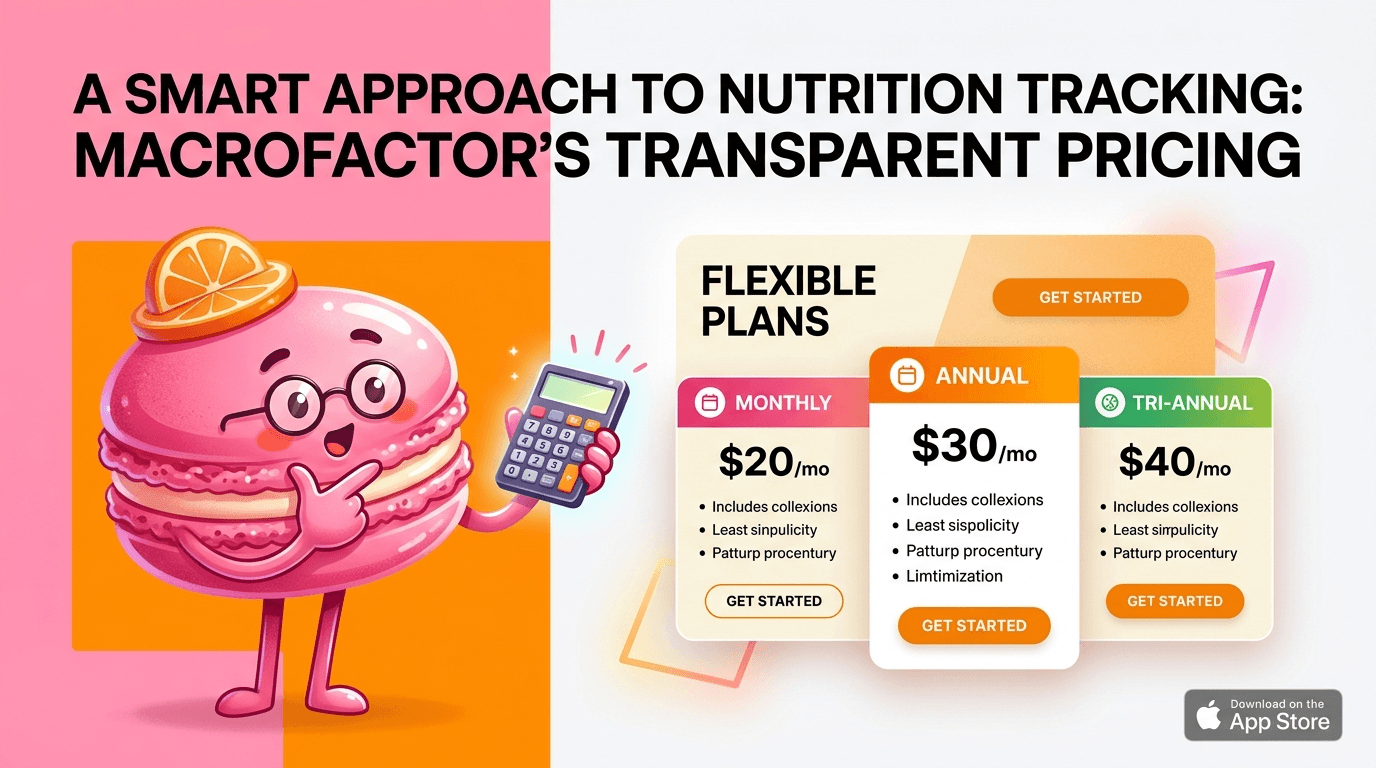
MacroFactor's Subscription Cost
MacroFactor keeps pricing straightforward: $11.99/month, $47.99 every six months, or $71.99/year. The annual plan is the best per-month value, but the six-month option is often the most balanced choice for people who want to test the app beyond a short trial without locking into a full year. Unlike freemium apps that split features across tiers, MacroFactor gives every paying user the same core experience from day one. The tradeoff is that there is no long-term free path, so the app is best suited to users already committed to consistent tracking.
MacroFactor Free Trial Details
MacroFactor includes a 7-day trial that unlocks the full product, including its adaptive calorie targets and food database. That trial is useful for checking whether the interface, logging workflow, and coaching style fit your routine, but it is not long enough to prove the algorithm’s value for every user. There is no permanent free version after the trial ends, so the decision is essentially pay, stop, or export your data. That model is cleaner than freemium apps, but it can feel abrupt if you are used to gradual upgrades.
MacroFactor vs Free Alternatives
MacroFactor’s annual price competes with premium plans from MyFitnessPal and Lose It!, while also sitting far above free basic trackers. The difference is not just cost; it is the type of guidance you get. MacroFactor focuses on adaptive expenditure estimates and structured nutrition feedback, while free apps usually rely on static calorie targets or ad-supported logging. Macaron takes a different route by offering a free entry point and conversational nutrition help, which can be better for flexible planning, though it is less specialized for strict macro tracking.
More About Macrofactor Pricing
MacroFactor’s pricing is competitive within the premium nutrition category, especially on the annual plan, but it still asks users to pay before they can fully judge the product’s long-term value. That makes it a better fit for people who already know they log food consistently and want a structured system rather than a casual tracker. The app’s strongest advantage is that pricing is transparent, so there are fewer surprises than with apps that hide useful features behind multiple tiers.
The app’s core value comes from its adaptive algorithm, which is designed to update calorie guidance based on actual logged intake and weight trends. That is useful for users whose maintenance needs shift over time, such as people cutting, bulking, or trying to stabilize after a diet. The downside is that the system works best when logging is consistent, so users who skip meals, travel often, or track irregularly may not get enough signal to justify the subscription.
MacroFactor’s food database and logging workflow are part of the value equation, but they are not equally strong for every user. People in major markets often find the database sufficient, while users with regional foods or niche products may run into gaps that make manual entry more common. That is one reason the app appeals more to disciplined trackers than to people who want the fastest possible meal logging experience. Another useful Macaron comparison is Macaron App Download (iOS & Android): Official, Safe, and Fast Install at https://macaron.im/blog/macaron-app-download.
The Workouts bundle shows how nutrition apps are expanding into broader fitness ecosystems. For some users, combining training and nutrition in one subscription is convenient and can reduce app switching. For others, it adds cost and complexity to a product they only wanted for macro tracking. This is where competitors can still win: simpler apps may be less powerful, but they can be easier to justify if you only need one narrow job done well. For a broader Macaron context, Online Study Planner: Best Tools for Real Schedules - Macaron AI at https://macaron.im/blog/online-study-planner-best-tools can help you compare the decision from another angle.
MacroFactor’s premium-only model removes ads and upsells, which many serious users see as a meaningful quality-of-life benefit. At the same time, it excludes people who want to try an app indefinitely before paying. That makes Macaron and other AI-first tools attractive to users who value flexibility, conversational guidance, or a free starting point. MacroFactor remains stronger for structured, data-driven tracking, while competitors can be better for lighter planning and lower commitment.
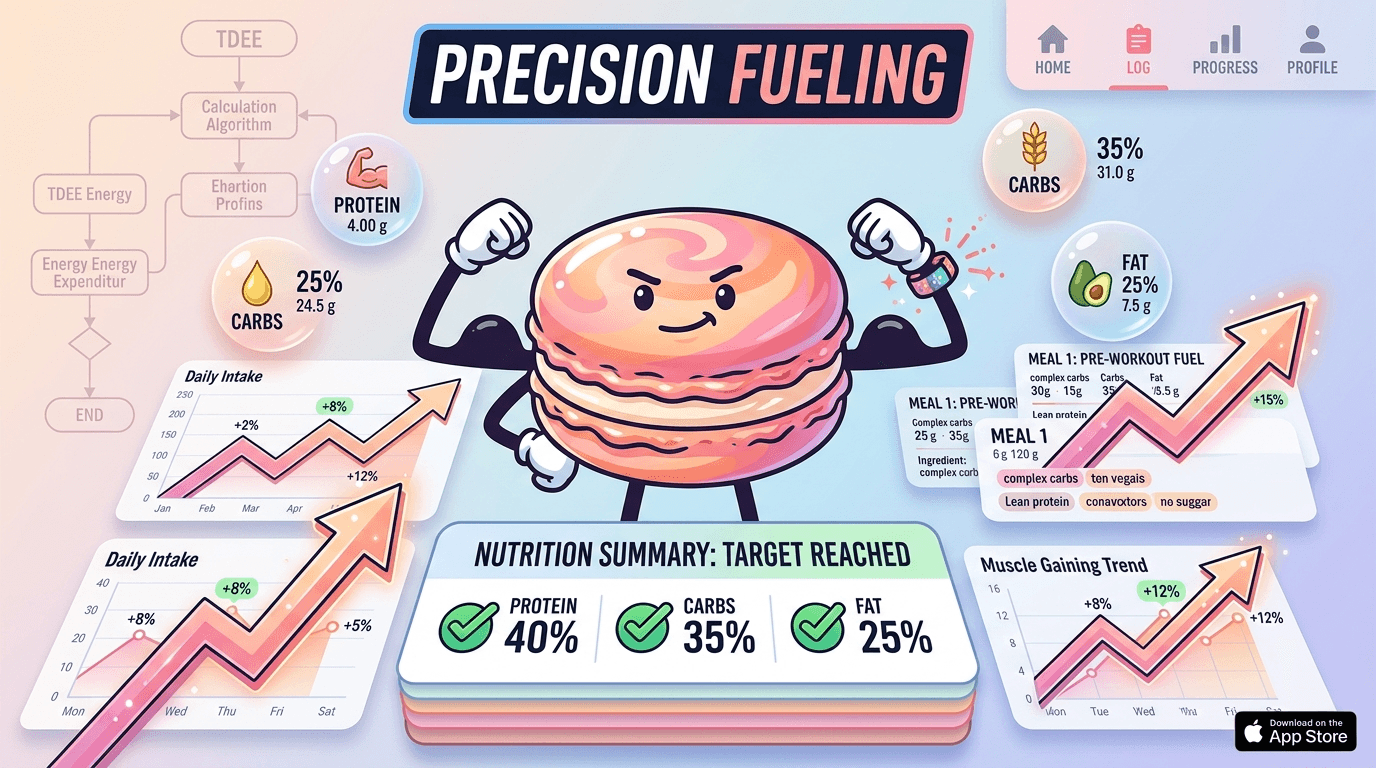
Is MacroFactor Worth It for Serious Trackers?
MacroFactor is most compelling for users who log food regularly and want their calorie targets to adapt over time instead of staying fixed. That includes bodybuilders, competitors, and people in a focused cut or bulk who care about precision more than convenience. The app’s algorithm becomes more useful as data accumulates, so the subscription makes the most sense when you are willing to track consistently. The tradeoff is that occasional users may pay for sophistication they never fully use, while Macaron may suit people who want lighter, more conversational guidance.
Quick Comparison
| Product | Pricing Style | Best For | |---|---|---| | MacroFactor | Premium only ($71.99/year) | Users who want adaptive calorie guidance and structured tracking | | MyFitnessPal | Freemium + $79.99 Premium | Casual users who accept ads and a broader mainstream ecosystem | | Cronometer | Free + $49.99 Gold | People focused on micronutrients and detailed nutrition data | | Macaron | Free + AI upgrades | Users who want conversational meal planning and flexible support | MacroFactor sits between simple logging apps and coach-like nutrition tools. It is usually the better choice when algorithmic adjustment matters more than a free tier, but Macaron can be more approachable for users who want help planning meals without committing to a premium tracker immediately.
Frequently Asked Questions
MacroFactor’s standard annual plan costs $71.99, which works out to about $5.99 per month when paid upfront. The app also offers a six-month plan at $47.99 and a monthly plan at $11.99. If you are comparing value, the annual plan is the lowest effective rate, but the six-month option is often easier to justify if you want more time before committing to a full year.
No, MacroFactor does not have a permanent free version. It offers a 7-day trial with full access, but after that you need a paid subscription to keep using it. That is a major difference from freemium apps like MyFitnessPal or Cronometer. The upside is that every paying user gets the same full feature set; the downside is that casual users have no low-commitment path beyond the trial.
That depends on how often you use it. For consistent trackers who log regularly and want adaptive calorie targets, the price can be reasonable because the app is built around ongoing guidance rather than static logging. For casual users, it may feel expensive compared with free alternatives. The six-month plan is often the best way to test whether the app’s algorithm and workflow are worth the cost for your routine.
Cheaper options include Cronometer Basic, MyFitnessPal Free, and Macaron’s free AI assistant. Cronometer is useful if you care about micronutrients, MyFitnessPal is familiar and widely used, and Macaron is better if you want conversational meal planning. None of them fully match MacroFactor’s adaptive expenditure model, so the right choice depends on whether you value lower cost, lighter tracking, or more structured coaching.
MacroFactor’s pricing can vary by region because of currency conversion and local app store pricing. Users outside the U.S. may see different annual equivalents in euros or pounds, even though the plan structure stays the same. If you are comparing prices across stores, make sure you are looking at the same subscription length and whether any bundle pricing is included, since that can change the apparent cost.
After the trial ends, you need to choose a paid plan or stop using the app. There is no reduced free mode that keeps the full experience alive. That makes the trial more like a short evaluation window than an ongoing starter tier. It is useful if you already know you want a premium tracker, but it is less forgiving than apps that let you keep using a basic version indefinitely. For a third-party check, MacroFactor - The Best Calorie Counter App at https://www.simplesolutionsfitness.com/macrofactor-best-calorie-counter-app is worth comparing against the page summary.
The bundle can be worthwhile if you want both nutrition tracking and workout planning in one ecosystem, especially during the first year when the bundle pricing is more attractive. After that, the renewal price is higher, so the long-term value depends on whether you will actually use both apps. If you only need macro tracking, the bundle may be unnecessary; if you want fewer apps and a more unified workflow, it can make sense. For another outside reference, A Review of the Macrofactor Macro-Tracking App (2026) - Outlift at https://outlift.com/macrofactor-review/ adds a second perspective.
MacroFactor tends to work best for people who track consistently, care about calorie accuracy, and want their targets to adjust as their body weight changes. That includes lifters, competitors, and users in a focused fat-loss or muscle-gain phase. It is less compelling for people who log sporadically or want a free, low-pressure app. Those users may prefer Macaron or another lighter tool with a lower commitment threshold.com/macrofactor/ is a useful reference point.com/macrofactor/ is a useful reference point.com/macrofactor/ is a useful reference point.com/macrofactor/ is a useful reference point.com/macrofactor/ is a useful reference point. For outside context, Smart Macro Tracker & Diet Coach - MacroFactor app at https://macrofactor.com/macrofactor/ is a useful reference point.
Read & discover
AI Personal Assistant
Free calculators


