Macrofactor Reddit
Reddit's fitness communities consistently praise MacroFactor's science-backed approach to nutrition tracking, though debates emerge about its value versus simpler apps like Lose It or Cronometer.
Common MacroFactor Praise in Sampled Reddit Threads
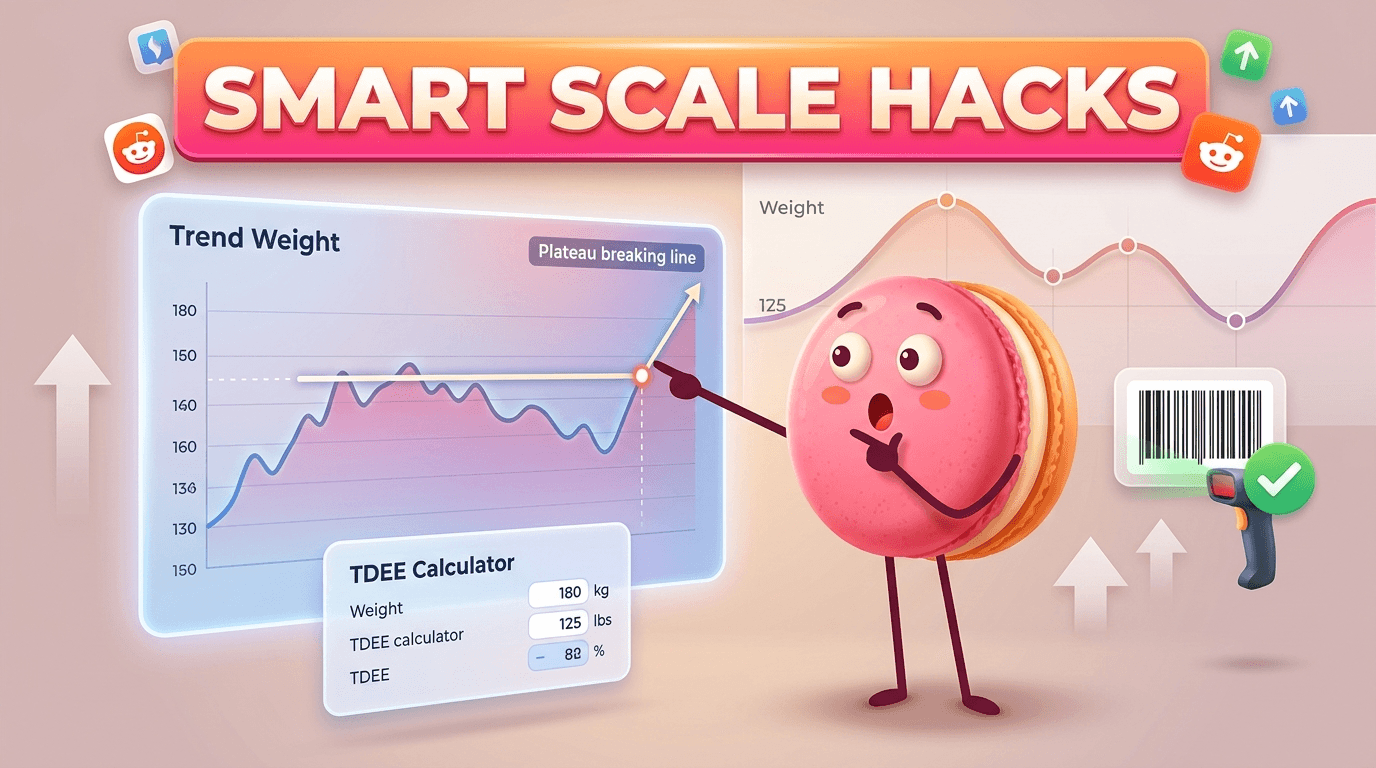
Across r/MacroFactor, r/loseit, and r/PetiteFitness, the strongest praise centers on how MacroFactor turns noisy day-to-day weigh-ins into a usable trend. Redditors who were frustrated by water retention, travel swings, or stalled scale movement often say the app helped them interpret progress more calmly. That said, the lag in trend weight can feel counterintuitive at first, so the benefit is clearest for users who can tolerate delayed feedback.
Food logging is another recurring strength, especially for people migrating from MyFitnessPal. Users often describe the interface as cleaner, faster, and less cluttered with ads or social noise. The barcode scanner and search flow get frequent compliments, but the app is not always effortless for custom recipes, mixed meals, or highly specific entries. People who log the same foods repeatedly tend to get the most value from the streamlined workflow.
A major reason MacroFactor stands out on Reddit is its adaptive calorie coaching. Instead of relying on a fixed TDEE formula, it updates recommendations from logged intake and weight trends, which appeals to users who want their plan to reflect real behavior. This is especially useful for lifters, cut-and-bulk users, and people who have found static calorie targets too rigid. The tradeoff is that the system asks for consistent logging to stay useful. For a related Macaron page, see AI Calorie Calculator: How to Use One Accurately - Macaron at https://macaron.im/blog/ai-calorie-calculator.
Cost is the most common point of hesitation. Many Redditors agree the app is well built, but they question whether a subscription is worth it if they only need basic calorie counting. That tension shows up most in comparison threads where users weigh MacroFactor against free or cheaper options. The app’s strongest case is not that it does everything, but that it does adaptive nutrition tracking better than simpler tools.
The clearest pattern across threads is that MacroFactor fits a specific kind of user. Data-driven dieters, strength trainees, and people trying to understand metabolic adaptation usually praise it most. Casual trackers, budget-focused users, and anyone who wants a social community inside the app often prefer alternatives. Reddit’s overall view is not that MacroFactor is universally better, but that it is unusually effective for users willing to engage with the data it produces.
Common MacroFactor Praise in Sampled Reddit Threads
Reddit praise tends to cluster around three practical wins. First, the trend weight system helps users separate real progress from temporary scale noise, which matters during plateaus, high-sodium days, and menstrual-cycle fluctuations. Second, logging feels faster than many older trackers, especially for former MyFitnessPal users who want fewer taps and less clutter. Third, the adaptive calorie model gives people a more realistic target than static calculators, which can be especially helpful for lifters and dieters who have already tried generic plans without much success. The main tradeoff is that these benefits depend on consistent logging and patience while the model learns.
Common MacroFactor Criticism in Sampled Reddit Threads
The most repeated complaints are less about quality than fit. Price comes up often, with users asking whether a premium subscription is justified when free apps can still count calories. Complexity is another issue: some casual users feel the coaching modes, expenditure views, and setup steps ask for more attention than they want to give. International users also mention food database gaps in some regions, which can slow down logging. Even so, many critical posts still concede that MacroFactor is thoughtfully designed; the real question is whether its strengths match the user’s habits, budget, and tracking style.
More About Macrofactor Reddit
MacroFactor’s most distinctive feature on Reddit is its expenditure model, which estimates calorie needs from actual intake and weight change rather than a one-time formula. Users who like numbers appreciate that the app can revise recommendations as their body responds, instead of assuming the original target was correct. The downside is that the model is only as useful as the data you feed it, so inconsistent logging can make the guidance feel less trustworthy.
The app’s coaching structure gets mixed reactions because it offers more direction than a plain tracker. Some users like having a clear plan and a reason behind each calorie target, while others prefer to set their own goals without being nudged by the app. That difference matters: MacroFactor is strongest for people who want the software to interpret data for them, but it can feel heavy for users who only want a simple food diary.
Food database quality is generally praised in U.S. threads, especially by users who are tired of slow public sources or messy duplicate entries. Still, Reddit discussions show that database completeness is not uniform everywhere, and international users are more likely to run into missing brands or regional foods. This is one area where competitors with broader community databases can still be more convenient, even if they are less polished overall. Another useful Macaron comparison is AI Personal Assistant - Macaron AI at https://macaron.im/ai-personal-assistant.
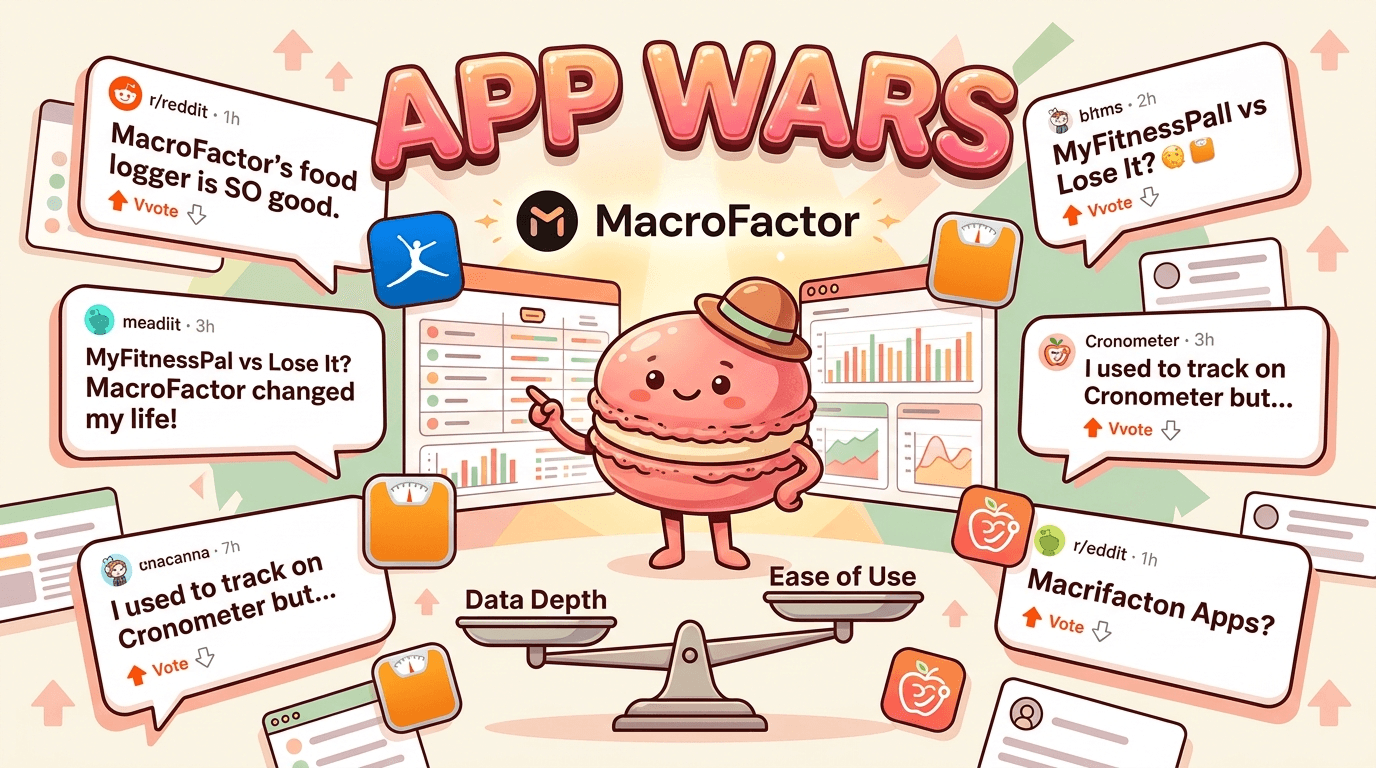
MacroFactor’s comparison with Cronometer is especially useful because it reveals a clear product tradeoff. MacroFactor is better for adaptive coaching, calorie adjustment, and weight-loss decision support. Cronometer is often better for users who care deeply about micronutrients, food detail, and a more open-ended tracking experience. Redditors who choose between them usually do so based on whether they want guidance or nutritional depth. For a broader Macaron context, AI Story App - Macaron at https://macaron.im/ai-story-app can help you compare the decision from another angle.
Several Reddit threads also show that MacroFactor can be psychologically different from more aggressive dieting apps. When the app recommends more calories than expected, users sometimes assume it is being too lenient. Over time, many come to see that as a correction to overly harsh deficits rather than a flaw. That makes MacroFactor appealing to people who want sustainable progress, but less attractive to users who equate faster cuts with better results.
MacroFactor vs Competitors on Reddit
Reddit comparison threads usually split users into clear groups. Former MyFitnessPal users often like MacroFactor’s cleaner interface and lack of ads, but they may miss social features and the familiarity of a larger community. Lose It users tend to appreciate the simpler setup and lower cost of that app, yet many admit MacroFactor’s adaptive coaching is more sophisticated. Cronometer users usually care more about micronutrients and food detail than calorie coaching, so they may prefer its depth even if MacroFactor feels easier to use day to day. The practical takeaway is that MacroFactor wins when users want guidance, while competitors can still be better for lighter or more specialized tracking.
What Some Reddit Users May Prefer Instead
Reddit recommendations often depend on budget, simplicity, and how much coaching a person wants. Users who mainly need a free or low-cost calorie counter often point to Cronometer or Lose It, especially if they do not care about adaptive expenditure estimates. People who want a more social, familiar ecosystem still mention MyFitnessPal despite its clutter. MyNetDiary also comes up for users who want a straightforward interface without much setup. These alternatives are not necessarily better overall; they are better for people who want less analysis, fewer decisions, or a lower monthly commitment than MacroFactor typically requires.
Frequently Asked Questions
Overall, Reddit discussion is strongly positive among users who care about data-driven nutrition tracking. The app gets the most praise from lifters, people cutting or bulking deliberately, and users who have struggled with static calorie targets elsewhere. Criticism is real, but it usually focuses on price, complexity, or fit rather than the underlying quality of the app. In other words, Reddit tends to respect MacroFactor even when users decide it is not the right tool for them.
The most praised features are trend weight, adaptive calorie recommendations, and a cleaner logging experience than many older trackers. Redditors like that MacroFactor tries to interpret progress instead of just recording it. Former MyFitnessPal users often mention the faster interface and reduced clutter, while more technical users appreciate that the app updates targets based on real intake and weight data. The common theme is that MacroFactor helps users understand what is happening, not just count it.
The biggest complaints are subscription cost, the learning curve, and occasional database gaps outside the U.S. Some users also dislike that the trend-based system can feel slow if they want immediate feedback from the scale. Others simply do not need the coaching layer and would rather use a cheaper, simpler tracker. Even then, many critical posts still say the app is well made; the issue is usually whether its features justify the price for that specific user.
Reddit users who switch from MyFitnessPal often prefer MacroFactor for its cleaner interface, faster logging, and lack of ad clutter. That said, MyFitnessPal still has advantages for people who want a larger social ecosystem, more familiarity, or a free entry point. MacroFactor is usually seen as the better product for focused tracking, while MyFitnessPal can still be more convenient for casual users who value community and broad recognition over coaching quality.
It depends on what the user wants. Reddit threads often describe MacroFactor as more advanced and more useful for people who want adaptive coaching, while Lose It is seen as simpler and easier to approach. Lose It can be a better fit for casual dieters or budget-conscious users who do not need detailed expenditure modeling. MacroFactor tends to win for users who want the app to help interpret their data and adjust targets over time.
Reddit usually frames this as a tradeoff between coaching and nutrient detail. MacroFactor is stronger if the main goal is weight management with adaptive calorie guidance. Cronometer is often preferred by users who care more about micronutrients, food precision, and a broader free experience. If someone wants a nutrition dashboard, Cronometer may be better. If they want an app that actively helps them adjust intake based on progress, MacroFactor usually gets the edge. For a third-party check, Opinions about macro factor : r/PetiteFitness - Reddit at https://www.reddit.com/r/PetiteFitness/comments/17h90fd/opinions_about_macro_factor/ is worth comparing against the page summary.
The best fit is usually a user who logs consistently, wants evidence-based calorie guidance, and is comfortable making decisions from trend data rather than daily scale changes. That includes lifters, people cutting or bulking in phases, and users who have already tried simpler trackers without getting the clarity they wanted. It is less compelling for people who want a passive calorie counter, a social app, or a very low-cost solution. For another outside reference, r/MacroFactor - Reddit at https://www.reddit.com/r/MacroFactor/ adds a second perspective.
The main tradeoff is that MacroFactor gives you better guidance in exchange for more commitment. You need to log food consistently, weigh yourself regularly, and give the model time to learn your pattern. That makes it powerful for disciplined users, but less appealing if you want instant simplicity. Competitors can be easier to start with, but they usually do less to interpret your data or adjust your plan automatically.com/en/collections/29-frequently-asked-questions is a useful reference point.com/en/collections/29-frequently-asked-questions is a useful reference point.com/en/collections/29-frequently-asked-questions is a useful reference point.com/en/collections/29-frequently-asked-questions is a useful reference point.com/en/collections/29-frequently-asked-questions is a useful reference point. For outside context, Frequently Asked Questions - MacroFactor at https://help.macrofactorapp.com/en/collections/29-frequently-asked-questions is a useful reference point.
Read & discover
AI Personal Assistant
Free calculators


