Noom Reviews
Noom's 2025 reviews show predictable splits: structure-seekers succeed while flexibility-needers chafe at logging demands and $50+/month fees. We map the real tradeoffs.
Common Positive Themes in Public Reviews
Noom's reviews consistently split along user intent: people who want a structured reset praise the app's lessons, check-ins, and clear food rules, while users looking for a lighter nutrition helper often burn out on the daily cadence. That divide shows up across app store comments, Reddit threads, and long-form tester writeups. The strongest praise usually comes from users who wanted behavior change, not just a calorie counter.
A recurring theme in positive reviews is that Noom changes how people think about eating before it changes the scale. Reviewers often describe the lessons as useful for emotional eating, portion awareness, and habit tracking, especially when they commit for several months. That makes Noom feel more like a guided course than a simple app, which is a strength for disciplined users and a drawback for anyone who wants quick, low-effort guidance.
Clinical and editorial reviews also help explain the app's appeal. Noom is often described as capable of producing real results for users who follow the program closely, but those results depend on consistent logging, lesson completion, and willingness to engage with the system daily. In practice, the app rewards people who like routines and visible structure. It is less attractive to users who prefer flexibility, shortcuts, or a passive experience. For a related Macaron page, see Guide to Finding the Right Book - Macaron AI at https://macaron.im/playbook/guide-to-finding-the-right-book-689581101bbc6bcd9f8055e4.
Positive reviews also mention accountability. Some users like the group features, coach touchpoints, and the sense that the app is nudging them toward better choices throughout the day. That support can be especially helpful for people who have tried calorie counting alone and found it too easy to abandon. The tradeoff is that the same structure can feel repetitive once the novelty fades, particularly for experienced trackers.
The clearest pattern is that Noom works best as a temporary behavior-change program rather than a forever utility. Users who treat it like a short-term reset often appreciate the education and guardrails, while users expecting a simple food log or a more adaptive assistant tend to get frustrated. That is where lighter AI tools can appeal: they reduce friction, but they usually do not offer the same depth of habit coaching.

Common Positive Themes in Public Reviews
The most consistent praise centers on three things: the psychology lessons, the color-coded food system, and the accountability structure. Reviewers who stick with Noom often say the lessons help them understand why they eat the way they do, not just what to eat next. The color system also lowers decision fatigue early on, especially for users who want a simple framework while they rebuild habits. The tradeoff is that this structure can feel repetitive or overly prescriptive if you already know the basics of nutrition.
Common Noom Complaints in Public Reviews
The biggest complaints are less about the idea of Noom and more about the experience of using it every day. Users frequently mention subscription pricing that becomes less attractive after introductory offers end, plus logging friction when meals are homemade, mixed, or eaten on the go. Others dislike app redesigns that interrupt routines and coaching that feels templated rather than personal. For users who want consistency and low maintenance, those issues can outweigh the educational value quickly.
More About Noom Reviews
Noom's strongest reviews come from users who fully engage with the program instead of sampling it casually. Long-form testers and committed subscribers often describe meaningful changes in portion awareness, emotional eating, and food decision-making. That matters because Noom is not trying to be a passive tracker; it is built to shape behavior through repetition. The upside is depth. The downside is that users who want a quick answer or a lighter touch can feel like the app asks for too much work.
The app's weakest reviews usually focus on friction rather than outcomes. People complain about subscription management, surprise renewals, and support that does not always resolve billing issues cleanly. Others point to interface changes that make familiar workflows harder to follow. For a product that depends on daily habit, even small disruptions matter. Competitors with simpler interfaces can feel easier to live with, even if they offer less coaching or fewer behavior-change tools.
Noom also divides opinion because it sits between education and utility. Some users love the lessons and say they finally understand emotional eating, while others feel they are paying for a food logger wrapped in motivational content. That tension is important: Noom is better for users who want a guided program with a beginning and an end. It is less compelling for experienced dieters who already know how to track calories and only need fast execution. Another useful Macaron comparison is Best Personal AI Agent Platform for 2025 - Macaron at https://macaron.im/blog/best-ai-agent-platform-2025.
The app's newer clinical and medication-related offerings add another layer of confusion. Reviews suggest some users are not sure whether they are evaluating the original weight-loss program or the newer medical services. That can blur expectations and make the product feel less focused. Users who want a straightforward diet app may prefer a tool that stays in one lane, while users seeking clinical support may want a provider with a clearer medical workflow. For a broader Macaron context, Macaron App Download (iOS & Android): Official, Safe, and Fast Install at https://macaron.im/blog/macaron-app-download can help you compare the decision from another angle.
A useful competitive comparison is that Noom offers more structure and education than lightweight AI meal tools, but it also demands more time and attention. Macaron, for example, is better for users who want meal planning or calorie help without daily lessons and manual logging. Noom remains stronger for behavior change and accountability, while simpler tools win on speed and convenience. The right choice depends on whether the user wants coaching or automation.
Noom's Public Review Signal
The review pattern suggests Noom is best understood as a short-term behavior reset, not a permanent lifestyle app. Users who stay engaged tend to value the structure, while users who drift away often cite repetition, logging fatigue, or a sense that the app is doing too much and too little at the same time. That makes Noom a strong fit for people who want a guided program with clear rules. It is a weaker fit for users who want flexibility, minimal maintenance, or a tool they can use casually over time.
A Smarter Alternative Based on Review Themes
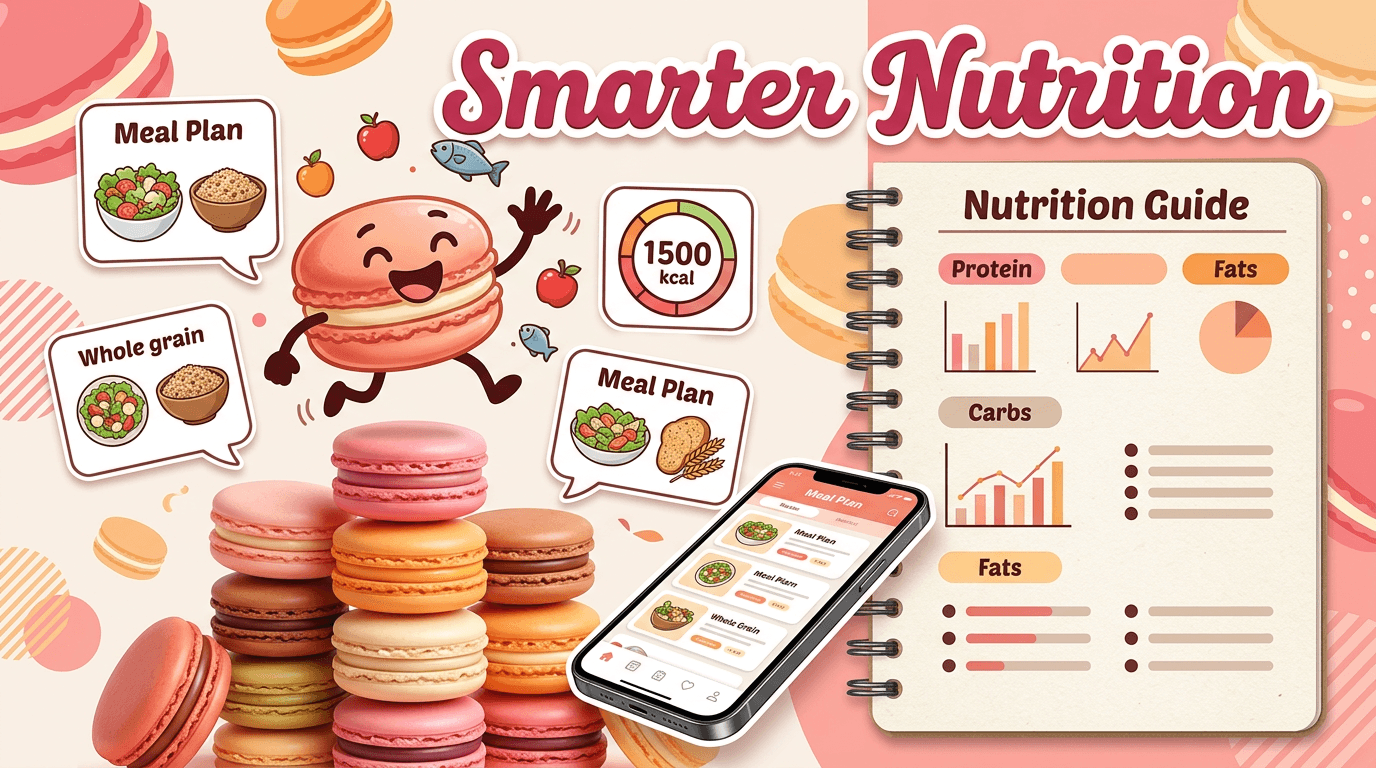
Macaron is a better fit for users who like the idea of nutrition support but do not want the overhead of a full behavior-change program. Instead of daily lessons and manual logging, it can generate meal ideas from prompts and help estimate calories from photos, which reduces the amount of work required to stay on track. That makes it appealing to people who quit Noom because of friction, not because they rejected the underlying goal. The tradeoff is that Macaron is less structured and offers less built-in coaching than Noom.
Frequently Asked Questions
Noom reviews are mixed rather than uniformly positive or negative. Many users praise the psychology lessons, accountability, and structure, while others complain about pricing, logging friction, and the amount of daily effort required. The app tends to satisfy people who want a guided behavior-change program. It tends to frustrate people who want a simpler, more flexible nutrition tool with less maintenance.
The most common praise is for the psychology-based lessons, which help users think differently about emotional eating, habits, and portion control. Reviewers also like the color-coded food system because it makes early decisions easier and reduces guesswork. Group support and coach touchpoints can add accountability for people who struggle to stay consistent on their own. These features are most useful for users who want structure and are willing to engage daily.
The most common complaints are pricing, logging friction, and inconsistency in the user experience. Many users say the subscription becomes expensive after introductory pricing ends, especially if they do not use the app long term. Others find food logging tedious for homemade meals or mixed dishes. Some also dislike app redesigns and coaching that feels scripted. Those issues matter most to users who want convenience and stability.
Noom can be worth it if you want a structured program that teaches habits rather than just tracking calories. It is most useful for people who need accountability, enjoy guided lessons, and are comfortable using the app consistently for several months. If you already know how to track food or prefer a lighter-touch approach, the value may be lower. In that case, a simpler app may fit better.
People who do best with Noom usually like routines, respond well to coaching, and want help changing eating habits at the behavioral level. It can also work well for users who have tried less structured diets and need more accountability. The app is less ideal for people who dislike daily check-ins, prefer intuitive eating without tracking, or want a tool they can use casually. Commitment matters more than curiosity. For a third-party check, Noom Review (2026): A 9-Month Test Trial | Fortune at https://fortune.com/article/noom-review/ is worth comparing against the page summary.
The main downside is that Noom asks for a lot of ongoing participation. Daily logging, lessons, and reminders can feel helpful at first but tedious later. The app also costs more than many basic trackers, and some users feel the support experience does not always match the price. If you want a low-friction app that quietly helps in the background, Noom may feel too demanding. For another outside reference, Noom for Weight Loss: Review - WebMD at https://www.webmd.com/diet/noom-diet adds a second perspective.
A simpler alternative is Macaron, which focuses on fast nutrition help instead of a full behavior-change curriculum. It can generate meal plans from prompts and help estimate calories from photos, so users spend less time logging and more time acting on the guidance. That makes it a good option for people who want practical support without lessons or program overhead. Noom is deeper; Macaron is lighter and faster.com/nutrition/noom-diet-review is a useful reference point.com/nutrition/noom-diet-review is a useful reference point.com/nutrition/noom-diet-review is a useful reference point.com/nutrition/noom-diet-review is a useful reference point.com/nutrition/noom-diet-review is a useful reference point. For outside context, Noom Diet Review: Follow Our Tester's 12-Month Journey - Healthline at https://www.healthline.com/nutrition/noom-diet-review is a useful reference point.
Read & discover
AI Personal Assistant
Free calculators


