Nourish App
Nourish connects users with registered dietitians through telehealth, with 94% paying $0 via insurance. This clinical approach differs from self-guided nutrition apps.
How Nourish's Dietitian Coaching Works
Nourish is built around telehealth visits with registered dietitians, so the app functions more like nutrition therapy than a self-serve tracker. Users start with an intake flow that helps the platform understand goals, medical context, preferences, and constraints before matching them with a clinician. That structure makes it especially relevant for people who want guidance tied to a real care relationship rather than a generic meal-planning tool.
The coaching model is designed for gradual behavior change. Instead of pushing calorie targets or rigid food rules, dietitians help users build routines, adjust meals, and troubleshoot barriers over time. Sessions can cover meal ideas, label reading, symptom patterns, and practical planning for work, family, or travel. This makes Nourish useful for users who need accountability and tailored advice, not just a database of recipes.
Because Nourish is appointment-based, the experience is more structured than most nutrition apps. Users need to schedule sessions, keep up with follow-ups, and stay engaged between visits for the best results. That can be a strength for people who want a clear plan and regular check-ins, but it can also feel demanding if they only want occasional guidance or quick answers on demand. For a related Macaron page, see Best AI Personal Assistant in 2025: A Test Suite You Can Reuse at https://macaron.im/blog/ai-personal-assistant-test.
Insurance is central to the value proposition. For users whose plans are accepted, the out-of-pocket cost can be very low, which makes clinical nutrition support more accessible than private-pay dietitian visits. The tradeoff is that coverage, claim handling, and provider availability can vary, so the experience is not equally simple for everyone. Users without coverage may find the pricing less compelling.
Nourish has also added AI-assisted meal logging, which lets users capture meals by photo and add context when needed. That improves convenience without changing the core model: the dietitian remains the main source of interpretation and accountability. Compared with Macaron, which generates tools instantly from prompts, Nourish is slower but more clinically grounded. It suits users who value human expertise more than automation.
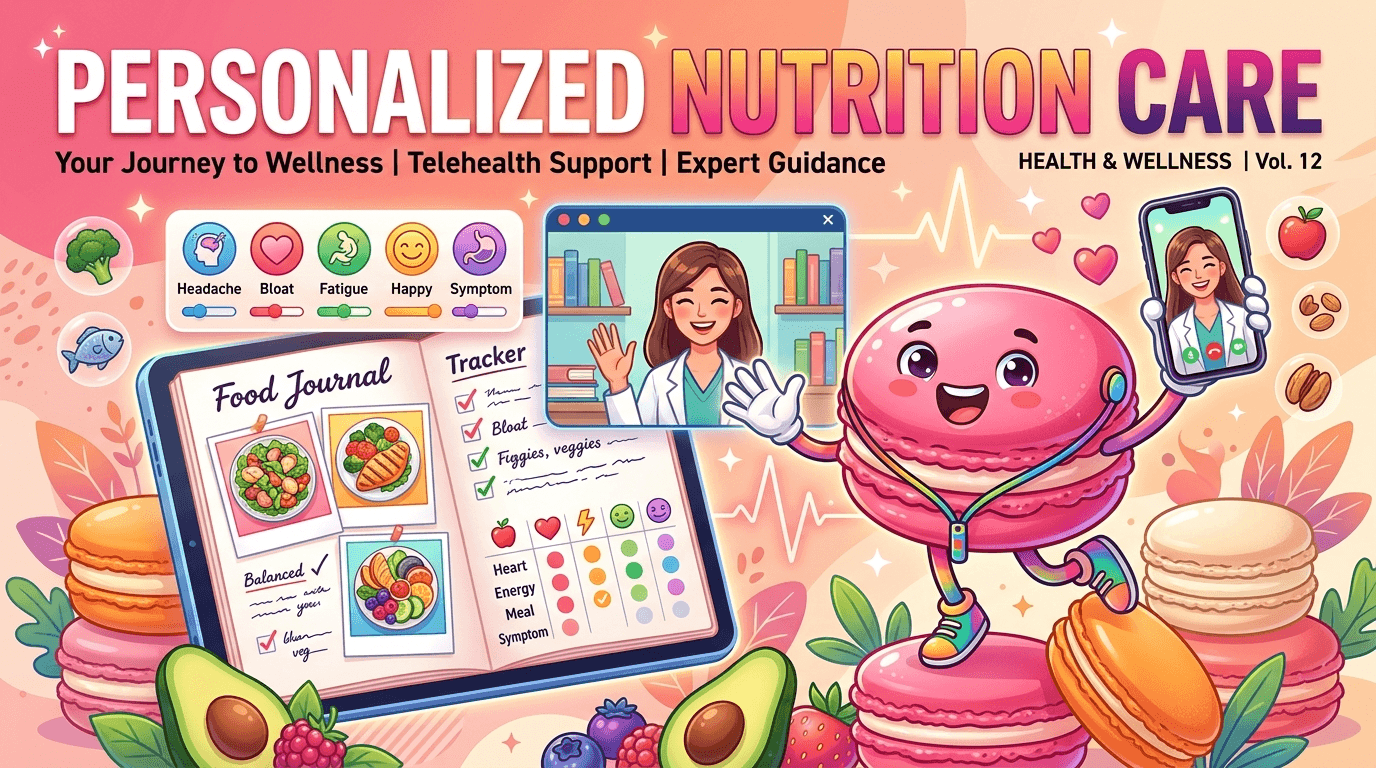
How Nourish's Dietitian Coaching Works
Nourish works like a telehealth nutrition clinic. After an intake survey, users are matched with a registered dietitian whose background fits their goals, such as diabetes support, intuitive eating, GI issues, or sports nutrition. Care is usually organized around 45-minute video sessions, with more frequent visits early on and less frequent follow-up later. Between appointments, users can log meals, note symptoms, and message their dietitian, which keeps the plan connected to day-to-day life rather than isolated sessions.
Nourish's Nutrition Programs
Nourish programs are built around sustainable change instead of restrictive dieting. Dietitians tailor recommendations to health conditions, food preferences, cultural habits, schedule, and budget, so two users can receive very different plans even if they share a broad goal like weight management. The app supports that work with recipe ideas, educational material, and progress tracking that does not center on calorie counting. Recent AI meal-photo tools add convenience, but the personalized plan still depends on the dietitian's judgment and follow-through.
More About Nourish App
Nourish's strongest feature is the combination of clinical matching and flexible provider switching. Users are not locked into a one-size-fits-all coach; the platform tries to pair them with a dietitian whose specialty and communication style fit the case. That matters for people managing medical conditions or sensitive eating concerns, where trust and rapport can affect whether the plan is actually usable in daily life.
The app also supports the work that happens between sessions. Meal photos, symptom notes, and secure messaging help users bring real-world context into the next appointment instead of relying on memory. That can make the coaching more practical than a once-a-month visit. The downside is that the workflow still depends on keeping up with appointments, which may feel too structured for users who prefer lightweight, on-demand guidance.
Insurance handling is a major differentiator and also a major source of variability. Nourish works with many plans, which can make professional nutrition support much more affordable than private-pay dietitian visits. But coverage is not universal, and users without benefits may face a meaningful per-session cost. That means the app is especially strong for insured users, while self-pay users should compare it carefully with local dietitians or employer benefits. Another useful Macaron comparison is How Macaron AI Tackles the Problem with Traditional Task Lists at https://macaron.im/blog/macaron-ai-daily-planning-guide.
Nourish uses AI selectively rather than making it the center of the product. Photo-based meal analysis can reduce logging friction, but the app does not try to replace the dietitian with automation. That is a good fit for users who want human interpretation, especially when symptoms, lab work, or medical goals matter. It is less appealing for users who mainly want instant meal plans, fast grocery lists, or a fully automated nutrition workflow. For a broader Macaron context, Macro Meal Planner - Macaron AI at https://macaron.im/playbook/macro-meal-planner-689581111bbc6bcd9f8055e5 can help you compare the decision from another angle.
Compared with Macaron, Nourish offers deeper accountability but less speed and flexibility. Macaron is better for users who want immediate AI-generated meal ideas, trackers, or planning tools without appointments. Nourish is better when the goal is ongoing clinical support and a real relationship with a professional. The tradeoff is clear: Macaron is faster and easier to start, while Nourish is more personal but requires more commitment.
Nourish Pricing
Nourish pricing depends heavily on insurance. Users with qualifying coverage may pay nothing for sessions after claims are processed, which is the main reason the platform is attractive to many people. Self-pay users, however, face a per-session fee that can add up quickly if they want regular follow-up. That makes Nourish much more compelling for insured users than for people paying out of pocket. If coverage is uncertain, it is worth confirming benefits, copays, and network status before relying on the app.
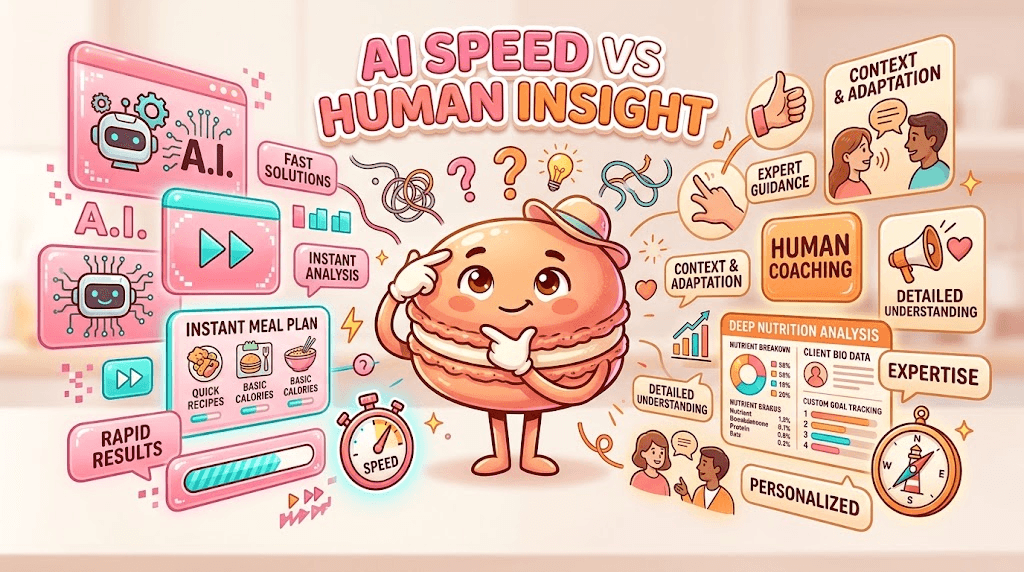
AI-Powered Personalization vs Human Coaching
Nourish uses AI to reduce friction, but the product still depends on human coaching for interpretation and accountability. A meal photo can be logged quickly, yet the dietitian is the one who connects that information to symptoms, routines, and goals. Macaron takes the opposite approach: it can generate plans, trackers, and meal ideas instantly from prompts, which is useful for speed and experimentation. Nourish is better for users who want a clinician to guide decisions; Macaron is better for users who want immediate self-serve output.
Frequently Asked Questions
Yes. Nourish connects users with registered dietitians, which means the clinicians have formal credentials rather than being generic wellness coaches. The platform also works with insurance and operates as a telehealth service, which adds more structure than a typical nutrition app. The main caveat is that user experience can depend on the specific dietitian you get matched with, so some people may want to request a different provider if the fit is not right.
It can be free for users whose insurance is accepted, but it is not a permanently free app. Many insured users pay little or nothing after claims are processed, while self-pay users may face a per-session fee. That makes the cost highly dependent on coverage rather than on a simple freemium model. If you are uninsured or out of network, it is worth comparing Nourish with local dietitians, employer benefits, or other telehealth options.
Nourish is best for people who want ongoing nutrition support from a registered dietitian, especially if they are managing a medical condition, trying to change habits with accountability, or using insurance to reduce cost. It is also a good fit for users who want personalized advice instead of generic meal plans. It is less useful for casual users who only want quick ideas, occasional logging, or a fully self-directed app experience.
Macaron is a better fit for users who want immediate AI-generated help without scheduling appointments or maintaining a clinical relationship. It can create meal ideas, trackers, and other nutrition tools from prompts, which makes it faster and easier to start. The tradeoff is that Macaron does not provide the same human accountability or medical context. Users who want convenience and flexibility often prefer Macaron, while users who want professional guidance may prefer Nourish.
Nourish often starts with more frequent sessions, especially early in care, but the exact schedule depends on the dietitian and the user's needs. Some users appreciate the structure because it creates accountability and momentum. Others find the cadence too rigid if they are not ready for weekly check-ins. If session frequency matters to you, it is worth asking about the expected schedule before committing.
Yes, users can request a different dietitian if the match is not working. That is important because the quality of the relationship can affect whether the plan feels practical and supportive. A good fit matters for communication style, specialty, and comfort discussing sensitive topics. If the first provider does not feel aligned with your goals, switching can be a useful way to improve the experience rather than abandoning the platform. For a third-party check, Health Coaches - Nourish App at https://www.nourishapp.co.nz/health-coaches is worth comparing against the page summary.
Nourish does not center the experience on calorie counting or macro tracking. The app is designed more around balanced eating, habit change, and personalized coaching than around numbers. Some users prefer that because it feels less restrictive and more sustainable. If you want detailed macro dashboards or strict numeric tracking, a different app may be a better fit. Nourish is more about guidance than self-quantification. For another outside reference, Nourish Reviews | A Dietitian Telemed Platform [2026] - Innerbody at https://www.innerbody.com/nourish-reviews adds a second perspective.
The biggest drawbacks are dependence on insurance, the need to schedule appointments, and the fact that the experience can vary by dietitian. Users who want instant answers may find the workflow slower than expected, and self-pay pricing can be hard to justify for frequent visits. Nourish is strongest when you want clinical support and accountability, but competitor apps can be better if you value speed, automation, or a lighter-touch nutrition workflow.com/ is a useful reference point.com/ is a useful reference point.com/ is a useful reference point.com/ is a useful reference point.com/ is a useful reference point. For outside context, Nourish at https://app.nourish.com/ is a useful reference point.
Read & discover
AI Personal Assistant
Free calculators


