SBTI Letters
SBTI letters appear in both viral personality quizzes and corporate sustainability pledges. This guide helps you distinguish between official Science Based Targets initiative documents (.pdf templates) and informal social media quiz formats (4-letter codes).
Why Do Letter Results Feel Familiar?
The term 'SBTI letters' serves two completely different purposes:
1. Official documents: Commitment letters (.pdf) from companies pledging emissions reductions through Science Based Targets initiative
2. Viral quizzes: 4-letter personality codes circulating on social media with no connection to sustainability
This guide helps you quickly identify which system you're dealing with and how to interpret the letters correctly. If you want to verify the official framework or compare definitions, start with What's in a commitment? - Science Based Targets Initiative: https://sciencebasedtargets.org/blog/whats-in-a-commitment. For a second reference point, [PDF] SBTi COMMITMENT LETTER: https://files.sciencebasedtargets.org/production/files/SBT-Commitment-Letter.pdf gives a useful outside view.
How to Spot Official SBTi Letters
Official documents always: Appear as .pdf files from sciencebasedtargets.org, Include company details and validation timelines (typically 24 months), Follow strict templates like the SME Target Setting Letter, Get publicly listed on SBTi website after submission.
Why Viral Quiz Letters Feel Familiar
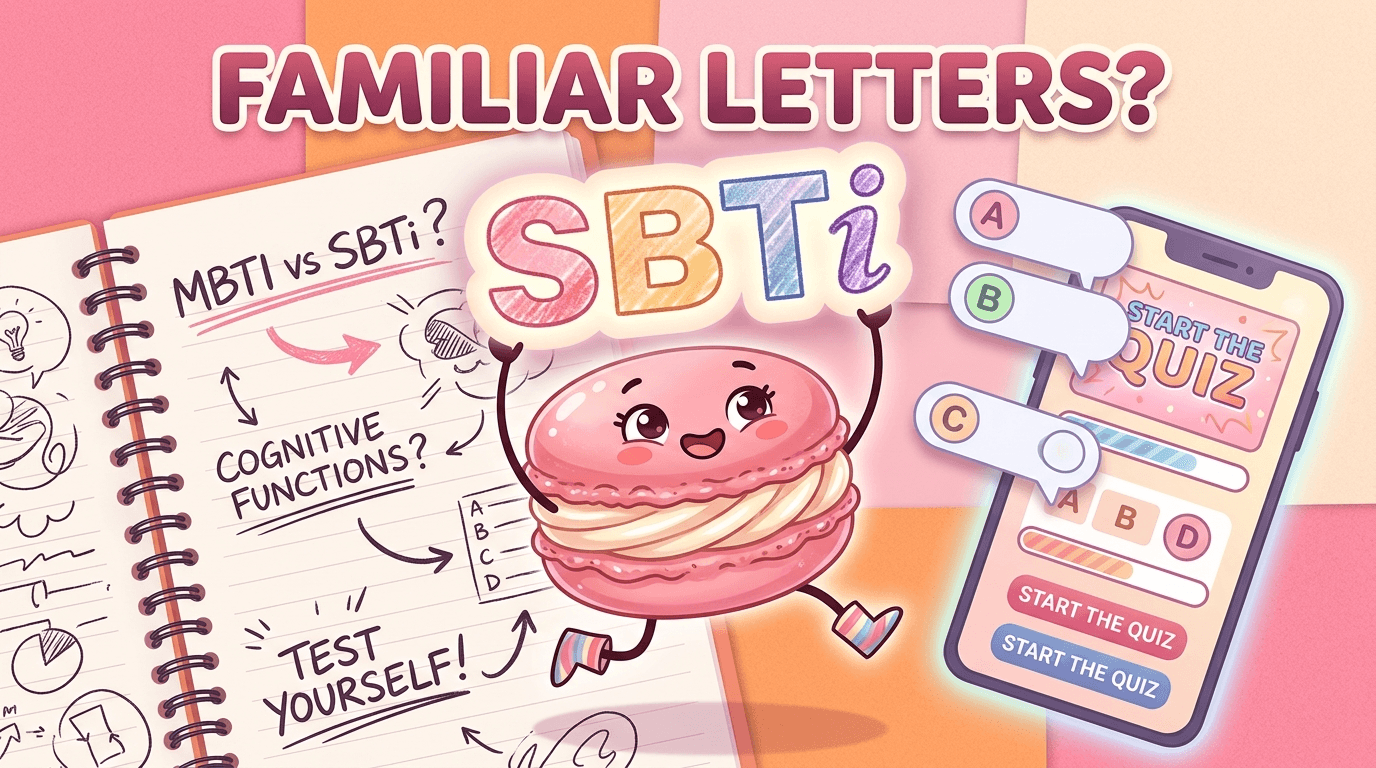
Quiz creators borrow the letter format from systems like MBTI but remove the validation. The 4-letter codes (like 'ENFP') are designed for shareability rather than accuracy, creating instant categorization without scientific backing.
More About SBTI Letters
Official SBTi letters use specific templates with required fields: Company information, Target type selection (near-term vs net-zero), Validation timeline acknowledgment, Public listing commitment
Viral quiz letters follow no standardization - creators invent arbitrary combinations that change across platforms
Corporate letters carry legal weight (companies face scrutiny for unmet commitments) while quiz results have no consequences A practical way to sanity-check unfamiliar claims is to compare them against [PDF] SCIENCE BASED TARGETS - Plansee: https://www.plansee.com/download/?DOKNR=HPM-030-CI-001&DOKAR=QM1&DOKTL=100. That gives you one concrete source to keep beside the Macaron summary while you read.
What Do Official Commitment Letters Include?
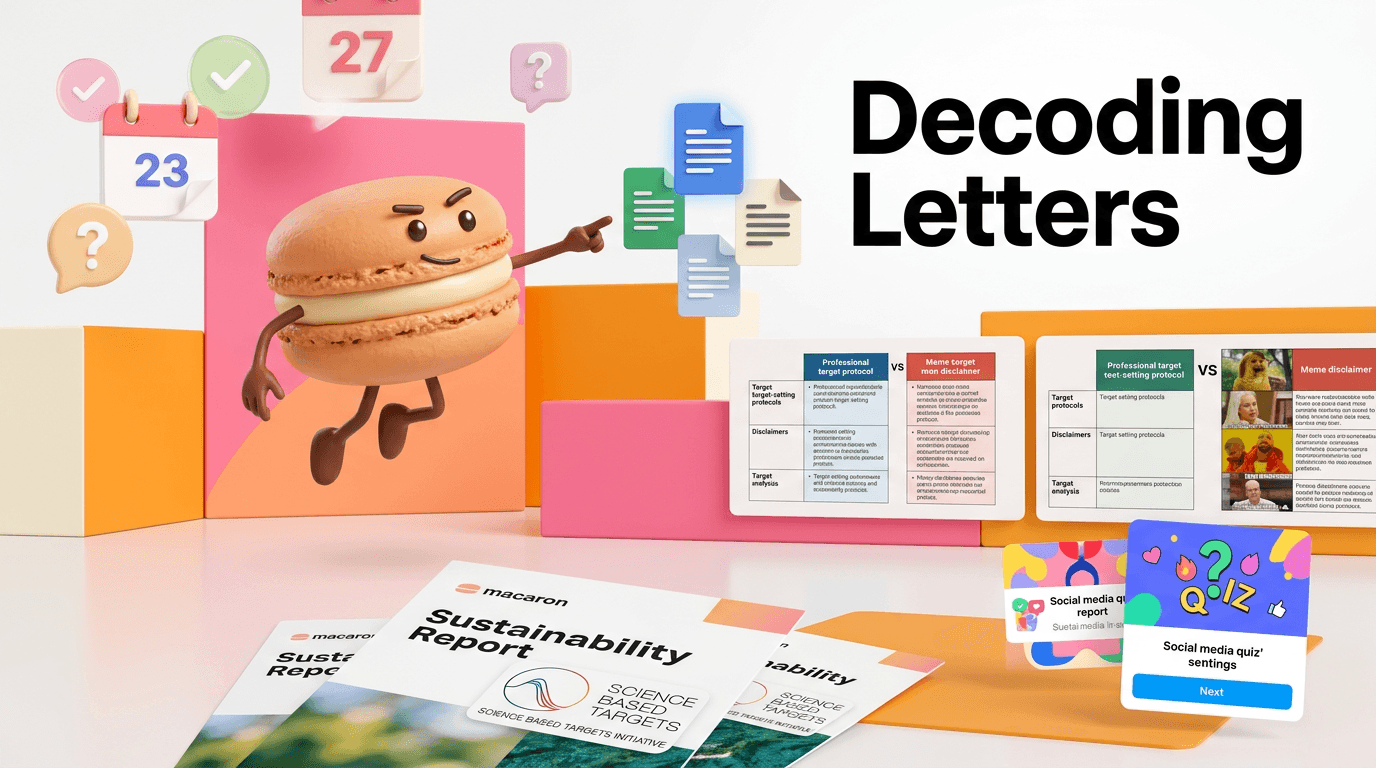
Sample sections from SBTi templates: 1. Company details (name, sector, revenue), 2. Selected target type (checkboxes for near-term/net-zero), 3. Signature from authorized representative, 4. Public listing consent, 5. 24-month validation deadline.
Why Does Source Verification Matter?
Checking the domain resolves ambiguity instantly: sciencebasedtargets.org = procedural documents, Social platforms = entertainment content. Official pages reference validation processes while quiz pages focus on personal interpretation. If you want one more outside explanation before you act on a claim, [PDF] Science Based Targets initiative COMMITMENT LETTER - Logoplaste: is a useful second stop. If you want one more outside explanation before you act on a claim, [PDF] Science Based Targets initiative COMMITMENT LETTER - Logoplaste: https://www.logoplaste.com/media/illjte1q/sbt-commitment-letter-logoplaste.pdf is a useful second stop.
Frequently Asked Questions
Only the Science Based Targets initiative's documents follow strict frameworks. Viral quizzes use the letter format without any standardized methodology or validation. If you need a source to keep open while reading, use What is the Science-Based Targets Initiative (SBTi)? - Greenly: https://greenly.earth/en-gb/blog/company-guide/what-is-the-science-based-targets-initiative-sbti. It helps ground the summary in a public reference instead of relying on memory alone.
For official documents: Companies must reduce emissions by at least 5.2% annually to meet SBTi's 1.5°C-aligned targets. This rule doesn't apply to quiz formats.
Quiz letters offer entertainment value only. Unlike official documents with accountability measures, they lack scientific validation and shouldn't guide important decisions.
Science Based Targets initiative provides public samples including: Commitment Letter template, SME Target Setting Letter, Net-Zero Standard documents - all available as .pdf downloads from their website.
Read & discover
AI Personal Assistant
Free calculators


