SBTI Personality Test
The viral SBTI (Silly Big Personality Test) offers 27 absurd personality types like 'The Walking ATM' and 'HHHH' - a Chinese social media phenomenon parodying MBTI with self-deprecating humor for shareable entertainment.
Is SBTI a Real Personality Test?
The SBTI (Silly Big Personality Test) exploded on Chinese platforms like Bilibili and WeChat, using meme labels like 'DRUNK' and 'HHHH' to parody serious psychological assessments with 27 intentionally absurd personality types.
Unlike formal frameworks, SBTI's 15-dimension model leans into internet humor - its viral spread (40M+ searches) reflects Gen Z's skepticism toward traditional self-improvement culture through exaggerated self-roasting.
The test mimics MBTI's structure with 31 questions but subverts expectations - results highlight relatable flaws ('The Alarmist', 'The Thanker') rather than idealized traits, creating shareable social media content.
While some sites monetize SBTI as a quiz, its creators explicitly designed it as satire - a crucial distinction for users expecting clinical validity from personality assessments. If you want to verify the official framework or compare definitions, start with SBTI Personality Test: https://www.sbti.ai/en. For a second reference point, SBTI personality test : r/infp - Reddit: https://www.reddit.com/r/infp/comments/1sk0fby/sbti_personality_test/ gives a useful outside view.
Why Did SBTI Go Viral?
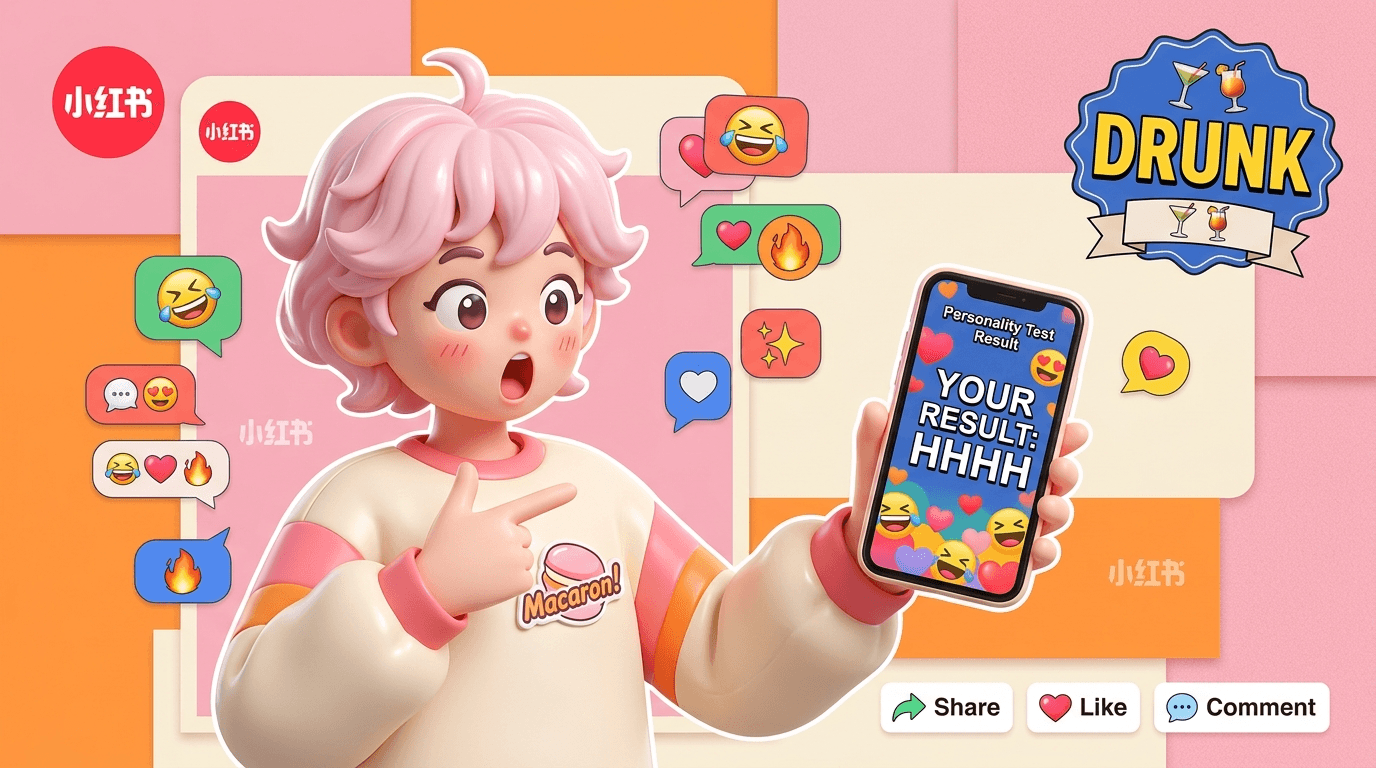
Three factors drove SBTI's explosion: 1) Familiar MBTI-style formatting (31 questions, type acronyms) 2) Absurd results perfect for screenshots ('You're a Chaos Agent!') 3) Cultural timing amid growing Gen Z fatigue with self-optimization trends. Platforms like Xiaohongshu show users pairing results with self-deprecating memes - a reflection of broader internet humor preferences.
How Does SBTI Compare to Real Personality Tests?
While MBTI uses clinical terminology, SBTI's five parody models (Self/Emotion/Attitude/Action/Social) exaggerate psychological concepts for comedy. Its 27 types like 'ZZZZ' (chronically tired) and 'JOKE-R' (deflects with humor) highlight modern behaviors through sarcastic descriptions rather than scientific measurement.
More About SBTI Personality Test
SBTI's most viral types include 'The Walking ATM' (compulsive giver), 'HHHH' (defies categorization), and 'DRUNK' (hidden party legend) - each designed to spark humorous self-reflection through exaggerated flaws.
Chinese platforms drove initial popularity with searches peaking at 40 million as users shared results mocking workplace burnout and social pressures through sarcastic type combinations.
The test's lasting appeal lies in its anti-perfectionism angle - unlike MBTI which categorizes strengths, SBTI celebrates flawed human behaviors through relatable internet humor.
Content creators note SBTI demonstrates how meme culture remixes psychological concepts - its 15-dimension model parodies real frameworks while types exaggerate recognizable modern behaviors. A practical way to sanity-check unfamiliar claims is to compare them against SBTI Personality Test Online - Free SBTI Quiz & 27 Personality Types: https://sbti.dev/en. That gives you one concrete source to keep beside the Macaron summary while you read.
What Makes SBTI Different?
Three unique aspects: 1) Openly embraces entertainment purpose (vs MBTI's clinical pretenses) 2) Designed for social sharing with meme-friendly results 3) Reflects regional Chinese internet humor trends. The test's structure reveals how Gen Z engages with personality content - valuing relatability over accuracy. If you want one more outside explanation before you act on a claim, SBTI Personality Test: is a useful second stop. If you want one more outside explanation before you act on a claim, SBTI Personality Test: https://www.sbtitest.com/en is a useful second stop.
Frequently Asked Questions
No. While MBTI has academic critics, SBTI began as a Bilibili creator's joke project parodying its seriousness. The 27 results like 'ATM-er' or 'HHHH' are deliberately absurd - some sites monetize it as a quiz, but it lacks any research backing. If you need a source to keep open while reading, use SBTI Personality Test: The Viral Meme Quiz from China: https://www.arealme.com/sbti-test/en/. It helps ground the summary in a public reference instead of relying on memory alone.
The MBTI-style structure (questions, type acronyms) makes the parody recognizable while allowing viral sharing through familiar quiz conventions. Creators included disclaimers like '100% unprofessional' to emphasize the joke.
Chinese social media shows 'The Walking ATM', 'HHHH', and 'DRUNK' dominate shares - their exaggerated flaws resonate with Gen Z humor. 'ZZZZ' (chronic exhaustion) and 'JOKE-R' (defensive humor) also trend for workplace relatability.
The test first appeared on Bilibili before spreading to WeChat and Xiaohongshu. For the original viral versions (often requiring translation), search Chinese platforms for 'SBTI测试' - most Western versions are simplified adaptations.
Read & discover
AI Personal Assistant
Free calculators


