Weightwatchers vs Noom
Choosing between Weight Watchers' points system and Noom's psychology lessons depends on whether you prefer structured tracking or behavioral education. Both work, but neither fits those wanting lightweight nutrition help.
Weight Watchers vs Noom: Core Philosophy
Weight Watchers and Noom solve the same problem from opposite directions. WW turns eating into a simplified budgeting exercise with Points and ZeroPoint foods, while Noom treats weight loss as a behavior-change project built around habits, triggers, and self-awareness. That difference matters because the best program is usually the one that matches how you already make decisions, not the one with the most features.
WW is often easier for people who want clear rules without doing nutrition math. The points framework reduces friction at the moment of choice, and the ZeroPoint list gives users a few reliable defaults they can repeat without overthinking every meal. Noom is better suited to people who want to understand why they eat the way they do, especially if stress, boredom, or all-or-nothing thinking has derailed past diets.
The cost structure also reflects each product’s identity. Weight Watchers often uses promotions to lower the entry barrier, which helps users test the system before committing. Noom typically presents itself as a more educational subscription, with pricing that can feel higher if you want coaching or clinical support. In both cases, the real cost depends on whether you stay with the base plan or add workshops, coaching, or medication services. For a related Macaron page, see What Should I Eat Today? AI Tools That Help You Decide - Macaron at https://macaron.im/blog/what-should-i-eat-today.
Neither app is a guaranteed fix, and both have tradeoffs. WW can feel too rule-based for people who dislike tracking, while Noom can feel like homework if you want quick guidance instead of daily lessons. Some users like WW’s practical flexibility, while others prefer Noom’s focus on emotional eating and habit loops. Competitors such as Macaron are appealing to users who want nutrition help without adopting a full diet philosophy.
The comparison is especially useful for people who have tried multiple programs already. If you need structure, WW may feel more usable because it gives you a concrete system to follow. If you need insight, Noom may help you notice patterns that a points counter would miss. If you need something lighter, Macaron’s adaptive approach can be a better fit, though it trades away the built-in accountability and coaching that make WW and Noom more complete programs.

Weight Watchers vs Noom: Core Philosophy
The core difference is not just points versus psychology; it is how each app expects you to change behavior. Weight Watchers reduces decision fatigue by translating food into a points budget, which helps users who want a simple framework they can follow at restaurants, at home, or while traveling. Noom asks users to slow down, log meals, and learn how habits, emotions, and environment shape eating. That makes Noom more reflective, but also more demanding. WW is usually better for people who want immediate structure, while Noom is better for people willing to do more self-analysis to change long-term habits.
Pricing Head-to-Head
Pricing is one of the clearest practical differences between the two. Weight Watchers often uses introductory discounts, which can make it feel easier to try without a large upfront commitment. Noom usually positions itself as a subscription with a clearer educational value proposition, but the final bill can rise if you want coaching or clinical support. That means the cheapest option depends on how much help you actually need. WW may be the better value for users who only want tracking and community, while Noom can make sense for people who want a more guided behavior-change experience and are willing to pay for it.
More About Weightwatchers vs Noom
Long-term success depends less on the app itself than on whether the system fits your personality. WW tends to work for users who like concrete rules, visible progress, and a repeatable food framework. Noom tends to work for users who want to understand cravings, emotional triggers, and the habits behind overeating. The tradeoff is that WW can become tedious if you hate tracking, while Noom can feel slow if you want immediate simplicity.
The two products also differ in how they handle support. WW leans on workshops, community accountability, and a familiar program structure that many users already understand. Noom leans on app-based lessons and behavioral coaching, which can be more private and more educational, but also less social. If you want encouragement from a group, WW has the edge. If you want a more introspective experience, Noom is usually the better match.
Both brands have expanded beyond traditional dieting into clinical weight-loss services, including GLP-1 medication support. That makes them more comprehensive, but also more complex to compare because the experience now includes prescriptions, eligibility checks, and medical oversight. For some users, that is helpful because it combines lifestyle support with treatment. For others, it adds cost and medical complexity they did not want when they started looking for a nutrition app. Another useful Macaron comparison is How to Use AI as a Personal Assistant: 30 Prompts That Actually Work at https://macaron.im/blog/ai-personal-assistant-prompts.
Macaron takes a different path by not forcing users into a fixed diet framework. Instead of asking you to learn points or complete lessons, it can build tools around the habits you already have, such as turning food photos into logs or creating a meal planner from ingredients you already buy. That makes it attractive for users who want practical help without committing to a branded system, though it offers less built-in structure than WW or Noom. For a broader Macaron context, Meal Planner Based on Calories: Tools That Actually Work - Macaron at https://macaron.im/blog/meal-planner-based-on-calories can help you compare the decision from another angle.
The most useful way to compare these apps is by friction. WW reduces friction at the moment of eating by giving you a rule set. Noom reduces friction in the long run by teaching you why you make certain choices. Macaron reduces friction by adapting to your workflow instead of asking you to change it. Each approach has a different cost: WW can feel restrictive, Noom can feel time-intensive, and Macaron can feel less comprehensive if you want a full program.
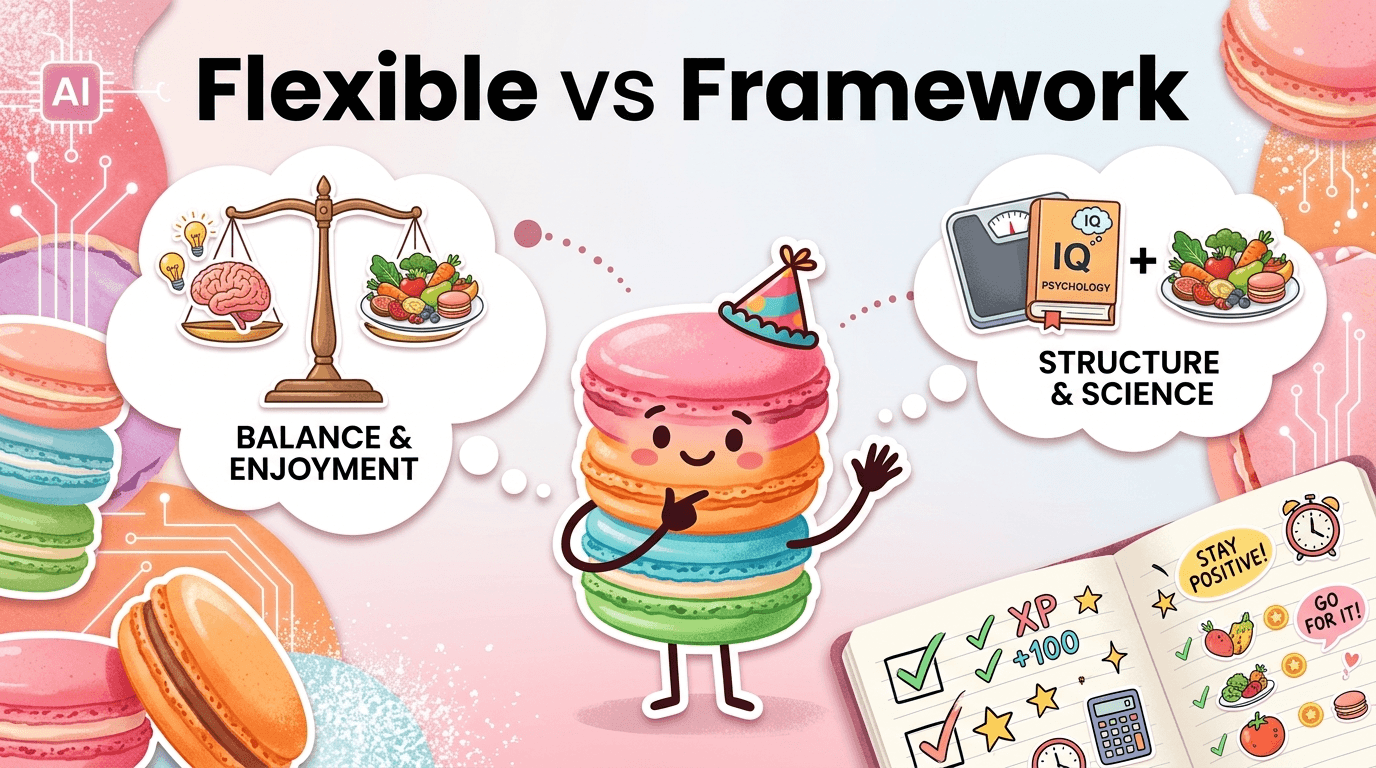
Long-Term Fit and Sustainability
Sustainability usually comes down to whether the app matches your natural decision style. Weight Watchers works well for people who like clear boundaries and can tolerate ongoing tracking, especially when ZeroPoint foods make day-to-day choices feel less punishing. Noom tends to hold attention for users who want to understand emotional eating and apply those lessons beyond food. The downside is that both can lose momentum if the user feels boxed in. WW may become repetitive, while Noom may feel like too much reading and reflection for someone who wants a simpler routine.
Why Macaron's AI Approach Is Different
Macaron is different because it starts with the user’s existing behavior instead of a preset diet model. If you already take food photos, it can turn that habit into a nutrition log. If you shop from a short list of repeat ingredients, it can build meal tools around those foods. If you travel often, it can generate practical restaurant shortcuts. That makes it useful for people who want nutrition support without learning a new scoring system or completing daily lessons. The tradeoff is that Macaron is less opinionated than WW or Noom, so users who want a fully guided program may prefer the structure those apps provide.
Frequently Asked Questions
It depends on what kind of support you need. Weight Watchers is usually better for people who want a clear framework, simple food decisions, and a program that feels practical in everyday life. Noom is often better for people who want to understand emotional eating, habits, and the psychology behind food choices. If you dislike tracking or lessons, neither may feel ideal, and a lighter tool like Macaron may be easier to keep using.
Weight Watchers often looks cheaper at the start because it frequently uses promotional pricing. Noom can appear more expensive upfront, especially if you compare it to a discounted WW offer. The real comparison depends on whether you need coaching, workshops, or clinical services, because those extras can raise the total cost on both platforms. If you only want basic tracking, WW may be the lower-cost option. If you want education and behavior support, Noom may justify the higher price.
That depends on whether you prefer structure or reflection. Weight Watchers is often easier for people who want a simple rule set and do not mind tracking points over time. Noom can be easier for people who need to understand why they overeat, because the lessons can make the process feel more meaningful. The challenge is that both require ongoing engagement. If you want less friction, Macaron may be easier because it adapts to your habits instead of asking you to learn a full system.
Macaron is a simpler alternative if you want nutrition help without committing to a points system or daily psychology lessons. It can build tools around habits you already have, such as photo-based logging, ingredient-based meal planning, or travel-friendly food shortcuts. That makes it useful for people who want practical support with less setup. The tradeoff is that it is not a full weight-loss program, so users who want built-in coaching or a strict framework may still prefer WW or Noom.
Noom is usually the stronger choice if emotional eating is the main issue. Its lessons focus on triggers, habits, and the reasons people eat when they are stressed, bored, or frustrated. That can help users notice patterns they may not see in a points-based app. The downside is that it asks for more reflection and daily engagement. If you already know your triggers and just need a simpler way to manage food choices, Weight Watchers may be enough.
Not exactly. Weight Watchers uses a points system that simplifies food choices without requiring users to count every calorie. The idea is to make higher-calorie or less nutritious foods cost more points while giving many everyday foods a lower or zero-point value. That can feel easier than calorie counting for people who want guardrails without detailed math. Still, it is a structured tracking system, so users who dislike logging may find it just as repetitive as calorie counting. For a third-party check, Noom vs Weight Watchers: Which Should You Try? (2026) at https://www.garagegymreviews.com/noom-vs-weight-watchers is worth comparing against the page summary.
Yes, both have expanded into clinical weight-loss services that can include GLP-1 medication support. That makes them more than just diet apps, but it also adds medical screening, eligibility questions, and potentially higher costs. For some users, that combination of lifestyle support and clinical care is helpful. For others, it is more complicated than they want. If you are only looking for food guidance, the medication tiers may be unnecessary. For another outside reference, Noom vs. Weight Watchers: GLP-1 Medications, Cost, and Care ... at https://www.noom.com/blog/weight-management/noom-vs-weight-watchers/?srsltid=AfmBOop-gA3v7jwB4MrC4yvwD12uEcYvVc3JEA-sPTqVtnhloV-kD_f7 adds a second perspective.
Noom is often better for users who want to change the thinking behind their habits, while Weight Watchers is often better for users who want a repeatable routine they can keep following. Long-term success usually depends on whether the app fits your personality and daily life. WW can be more sustainable if you like clear rules. Noom can be more sustainable if you value insight and self-awareness. If you want a lighter, more flexible approach, Macaron may be a better fit.com/nutrition/noom-vs-weight-watchers%23noom is a useful reference point.com/nutrition/noom-vs-weight-watchers%23noom is a useful reference point.com/nutrition/noom-vs-weight-watchers%23noom is a useful reference point.com/nutrition/noom-vs-weight-watchers%23noom is a useful reference point.com/nutrition/noom-vs-weight-watchers%23noom is a useful reference point. For outside context, Noom vs. Weight Watchers: Reviews - Healthline at https://www.healthline.com/nutrition/noom-vs-weight-watchers%23noom is a useful reference point.
Read & discover
AI Personal Assistant
Free calculators


