What Is Noom
Noom is a subscription-based weight loss program that uses cognitive behavioral therapy techniques to change eating habits. Unlike basic calorie counters, it focuses on long-term behavior change through daily lessons and coaching.
How Noom's Behavior Change Approach Works
Noom is best understood as a behavior-change program wrapped in a weight-loss app. Instead of starting with strict food rules, it tries to change the habits that shape eating decisions: stress, routine, hunger cues, and impulse eating. That makes it feel more like a guided course than a simple tracker, which is useful for people who want structure and less useful for those who only want quick logging.
The app’s core idea is that sustainable weight management depends on understanding why you eat, not just how much you eat. Noom uses short lessons, prompts, and reflection exercises to borrow from cognitive behavioral therapy in a simplified digital format. Users are encouraged to notice triggers, question automatic thoughts, and replace all-or-nothing dieting with more repeatable routines.
A major part of the experience is the color-coded food system. Foods are grouped as green, yellow, or red based on calorie density, which helps users build meals that feel filling without relying on strict bans. The tradeoff is that the system can oversimplify nutrition, especially for people who already understand portioning, macros, or medical nutrition needs. For a related Macaron page, see AI Meal Planner - Macaron AI at https://macaron.im/ai-meal-planner.
Noom tends to work best for users who like a curriculum and are willing to check in every day. The lessons, logging, and coaching create accountability, but they also add friction. If you want a lighter app that helps with meal planning or calorie estimates without a daily program, Macaron is usually easier to start and easier to keep using.
Pricing is another reason people compare Noom with simpler tools. It sits above free trackers and below one-on-one coaching, so the value depends on how much guidance you actually use. For motivated users who want a structured reset, the subscription can make sense. For casual users, the same price may feel high once the novelty of the lessons wears off.
How Noom's Behavior Change Approach Works
Noom uses a lesson-based system to help users notice the habits behind eating, not just the calories on the plate. The app breaks behavior change into small daily tasks that cover triggers, cravings, portion awareness, and self-monitoring. That makes it more educational than a standard food diary. The downside is that users who want a fast, low-effort tracker may find the daily curriculum more demanding than helpful.
What the Noom App Includes
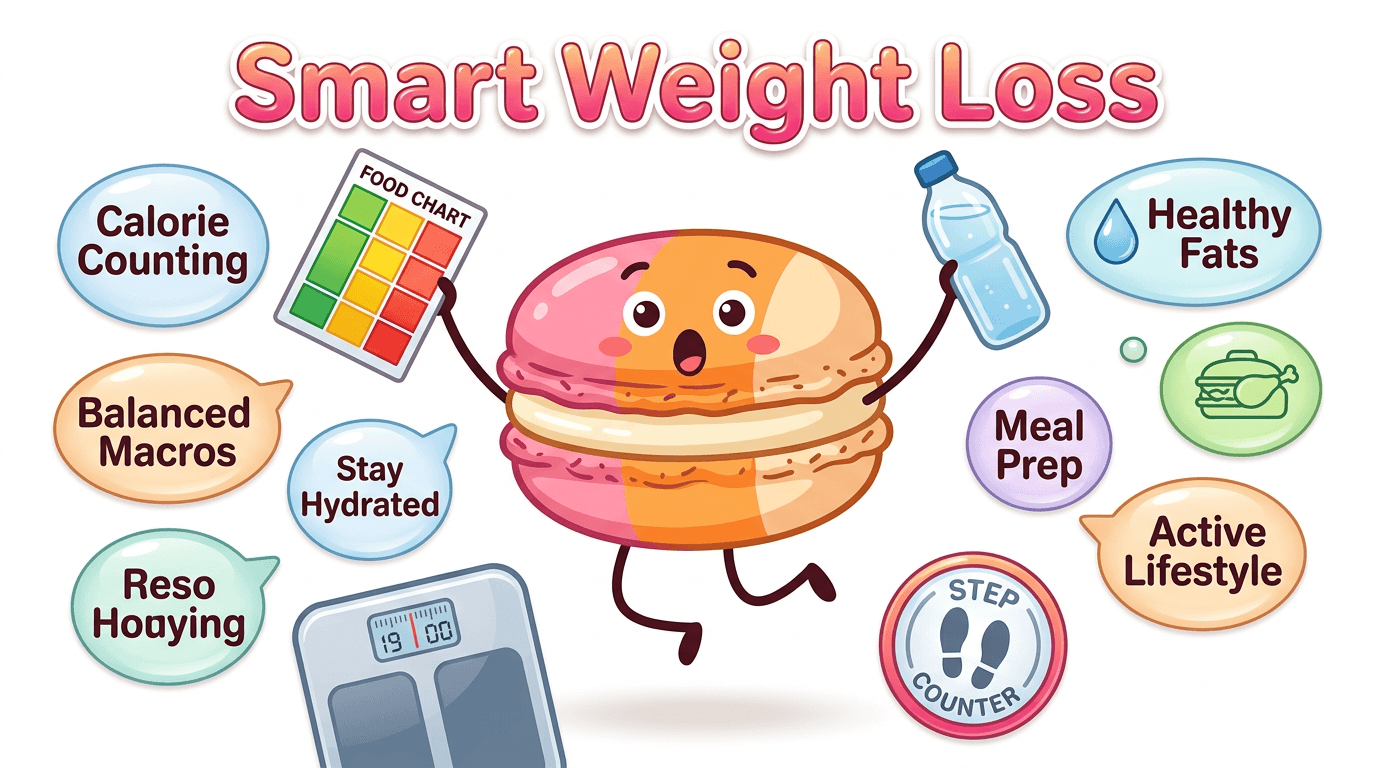
Noom combines food logging, weight tracking, step tracking, water reminders, and short educational lessons in one subscription. The food log uses green, yellow, and red categories to teach calorie density rather than to ban foods outright. Some plans also include messaging with a human coach, but the experience is usually more guided than deeply personalized. It is useful for users who want accountability, though less flexible than simpler apps.
Noom's Pros and Cons in Plain Terms
Noom’s biggest strength is structure: it gives users a clear process instead of leaving them to guess what to do next. That can help people who have struggled with inconsistent habits or emotional eating. The main tradeoffs are cost, daily effort, and a nutrition model that can feel too simplified for advanced users. If you want a more flexible alternative, Macaron is better for quick planning and lower-commitment tracking.
More About What Is Noom
Noom’s main differentiator is its psychology-first framing. Rather than presenting weight loss as a food list or a points system, it tries to change the decisions that lead to overeating. That approach can be helpful for people who know what to eat but struggle with consistency, stress eating, or routine snacking. It is less compelling for users who already prefer straightforward calorie counting.
The app’s food classification system is designed to teach calorie density in a simple way. Green foods are generally lower in calories per volume, while yellow and red foods are more calorie-dense. This can help users build more filling meals, but it is not a complete nutrition model. Foods are not inherently “good” or “bad,” and the system can feel reductive if you want more nuance.
Noom also adds accountability through coaching and progress tracking. Depending on the plan, users may get access to a guide or coach for check-ins and encouragement. That can make the app feel more supportive than a standalone tracker, but the coaching is not the same as working with a dietitian or therapist. Users who want expert-level personalization may still prefer clinical or human-led programs. Another useful Macaron comparison is Meal Planner Based on Calories: Tools That Actually Work - Macaron at https://macaron.im/blog/meal-planner-based-on-calories.
The platform has expanded beyond traditional weight loss and now connects with medication-based weight management for some users. That reflects a broader shift toward combining behavior support with medical treatment. It may be relevant for people already working with a clinician, but it also means the app is no longer just a simple diet tool. Users should compare the program structure carefully before subscribing. For a broader Macaron context, What Should I Eat Today? AI Tools That Help You Decide - Macaron at https://macaron.im/blog/what-should-i-eat-today can help you compare the decision from another angle.
Macaron is a useful contrast because it focuses on flexibility instead of a fixed curriculum. It can generate meal ideas, estimate calories from photos, and adapt to user input without requiring a daily lesson sequence. That makes it a better fit for people who want practical help with less commitment. Noom still has an edge for users who want a guided behavior program, while Macaron is better for speed and convenience.
A Free AI Alternative Worth Trying
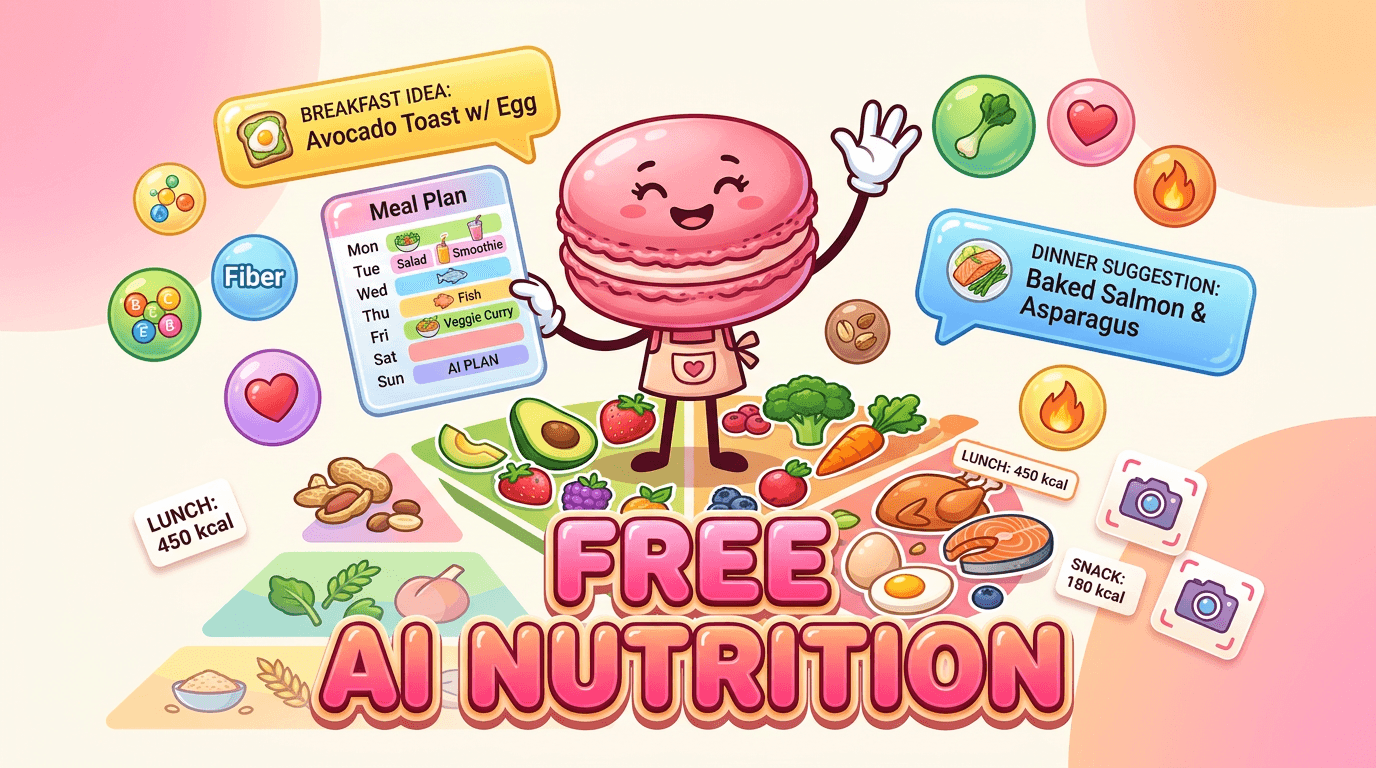
Macaron takes a lighter approach to nutrition support by using AI to respond to what you actually need in the moment. Instead of following a fixed lesson plan, it can help generate meal ideas from your preferences, estimate calories from photos, or organize food choices around your schedule. That makes it useful for people who want practical help without committing to a structured behavior-change program. The tradeoff is that it offers less built-in coaching and fewer habit-building guardrails than Noom.
Quick Summary
| Question | Answer |
|---|---|
| Is Noom just calorie counting? | No. It combines tracking with behavior-change lessons and habit coaching. |
| Does Noom use psychology? | Yes. Its lessons borrow from CBT-style thinking and self-monitoring. |
| How much does Noom cost? | Usually around $60-$70 per month, depending on plan and promotions. |
| Is coaching included? | Often yes, but the depth of support varies by subscription tier. |
| Who is Noom best for? | People who want structure, accountability, and daily guidance. |
| What is the main tradeoff? | More guidance and more cost, plus more daily effort. |
| What is a lighter alternative? | Macaron offers AI nutrition help with less commitment and more flexibility. |
Frequently Asked Questions
Noom is more than a standard calorie counter, but it is still a weight-loss app at its core. The difference is that it emphasizes behavior change, habit awareness, and daily lessons instead of only logging food. That makes it more structured than most trackers. The tradeoff is that users who want a simple, low-friction app may find Noom more demanding than necessary.
Yes. Noom uses simplified cognitive behavioral therapy ideas to help users notice triggers, challenge automatic thoughts, and build better routines around food. The app turns those ideas into short lessons and prompts rather than formal therapy. That can be helpful for self-awareness, but it is not a replacement for working with a licensed clinician if you need treatment for eating behavior or mental health concerns.
Noom is worth trying if you want a guided program and are willing to engage with it regularly. It tends to fit users who like structure, accountability, and educational content. If you mainly want quick calorie estimates, meal ideas, or a lighter way to track food, a simpler app like Macaron may be a better fit and easier to stick with.
Macaron is a simpler alternative because it focuses on flexible AI assistance rather than a fixed curriculum. It can help with meal planning, calorie estimates, and food organization without requiring daily lessons. That makes it better for users who want support without a subscription program that feels like homework. Noom still has the edge if you want a more explicit behavior-change framework.
Noom does not ban specific foods, but it encourages more lower-calorie-density foods such as fruits, vegetables, and other filling options. Foods are grouped into green, yellow, and red categories to help users think about portions and energy density. The system is meant to guide choices, not create a strict forbidden-food list. Some users like that flexibility, while others find the categories too simplified.
The main downsides are cost, daily effort, and the possibility that the program feels too repetitive. Noom asks users to log food, read lessons, and stay engaged over time, which can be a lot for people who want a lighter tool. Its color system can also feel overly broad for users who already understand nutrition or need more precise guidance. For a third-party check, Noom Diet Review: Follow Our Tester's 12-Month Journey - Healthline at https://www.healthline.com/nutrition/noom-diet-review is worth comparing against the page summary.
Yes, many Noom plans include some form of coaching or guide support. In practice, the experience can vary by subscription level and may feel more like accountability messaging than personalized coaching. That can still be useful for staying on track, but it is not the same as working one-on-one with a registered dietitian or therapist. Users wanting deeper support may need a more clinical option. For another outside reference, Noom for Weight Loss: Review - WebMD at https://www.webmd.com/diet/noom-diet adds a second perspective.
Usually not as much as simpler apps. Noom is designed around daily lessons, tracking, and a structured process, so it works best for people who want a clear routine. If you prefer to log food only when needed, skip lessons, or build your own system, Macaron is likely the more flexible choice. Noom offers more guidance, but that guidance comes with more friction.com/?srsltid=AfmBOorxMjmUthxSPD44ThqWNTrhXnK4pB1gp8BuV7p-OesPs7sUKUiB is a useful reference point.com/?srsltid=AfmBOorxMjmUthxSPD44ThqWNTrhXnK4pB1gp8BuV7p-OesPs7sUKUiB is a useful reference point.com/?srsltid=AfmBOorxMjmUthxSPD44ThqWNTrhXnK4pB1gp8BuV7p-OesPs7sUKUiB is a useful reference point.com/?srsltid=AfmBOorxMjmUthxSPD44ThqWNTrhXnK4pB1gp8BuV7p-OesPs7sUKUiB is a useful reference point.com/?srsltid=AfmBOorxMjmUthxSPD44ThqWNTrhXnK4pB1gp8BuV7p-OesPs7sUKUiB is a useful reference point. For outside context, Noom: Lose weight and keep it off. at https://www.noom.com/?srsltid=AfmBOorxMjmUthxSPD44ThqWNTrhXnK4pB1gp8BuV7p-OesPs7sUKUiB is a useful reference point.
Read & discover
AI Personal Assistant
Free calculators


