Yazio Reviews
Yazio earns consistent praise for its intuitive food logging and fasting features, though recent UI changes and premium limitations spark debate among calorie counters.
What Yazio Users Like
Yazio reviews consistently point to one core strength: it makes calorie tracking feel manageable instead of punishing. Users often describe the interface as calm, readable, and easier to return to every day than busier nutrition apps. That matters because long-term adherence usually depends less on advanced features and more on whether logging feels quick enough to keep doing after the first week.
Another recurring theme is that Yazio works well for people who want structure without a steep learning curve. Dietitian commentary tends to favor the app’s adjustable goals, macro guidance, and educational framing, especially for users who are still learning how food choices affect calories and protein intake. It is not the deepest analytics tool, but it gives enough direction for many mainstream goals.
Intermittent fasting is where Yazio separates itself most clearly from generic calorie counters. The built-in fasting timer, progress visuals, and reminders help users keep a time-restricted eating routine visible throughout the day. For people who already know they want fasting support, that integrated workflow is more convenient than stitching together separate timer and logging apps. For a related Macaron page, see Online Study Planner: Best Tools for Real Schedules - Macaron AI at https://macaron.im/blog/online-study-planner-best-tools.
The tradeoff is that Yazio’s simplicity can start to feel limiting once users want more detail or more control. Several reviewers note that recent interface changes added friction to basic tasks like meal entry, and some premium features sit behind a paywall sooner than expected. That creates a split experience: approachable for beginners, but occasionally frustrating for power users.
Macaron is relevant here because it approaches nutrition more conversationally. Instead of relying only on rigid logging screens, it can support users who want guidance, reflection, and meal planning in a more flexible format. Yazio is still better for people who want a traditional tracker with fasting tools, while Macaron may suit users who want less repetition and more adaptive support.

What Yazio Users Like
Yazio’s strongest praise centers on how little effort it takes to understand and use the app. Reviewers repeatedly mention the clean layout, clear dashboard, and low-stress meal logging flow, which make it easier to stay consistent than with denser trackers. The barcode scanner is often described as reliable for packaged foods, and the fasting timer gives users a simple visual anchor for time-restricted eating. Fitbit and similar integrations also save time for people who want nutrition data connected to broader health tracking.
Common Yazio Complaints
The most common criticism is that Yazio has become less efficient after recent UI updates. Users report more scrolling, extra taps, and a less direct path to basic actions like adding meals or editing entries. The premium model is another friction point, especially when features such as micronutrient detail or more advanced insights are locked behind subscription tiers. Some users also question the accuracy of AI scanning for homemade meals, where estimates can be useful but not consistently dependable.
More About Yazio Reviews
Yazio’s public reputation remains broadly positive, but the shape of that feedback matters. Ratings stay strong overall, yet newer reviews are more likely to mention workflow friction than older ones. That pattern suggests the app still satisfies many users, but recent design decisions have changed how easy it feels to use day to day. For a tracker, that kind of friction can matter as much as feature count.
Compared with MyFitnessPal, Yazio usually lands in a middle position. It offers more structure and polish than minimalist trackers, but it does not try to be the most exhaustive database on the market. That makes it appealing to users who want enough nutrition detail to stay accountable without having to navigate a crowded interface or an overly technical setup process.
The AI food scanner is useful, but it is not the same as precision logging. Packaged foods tend to work best because labels and standardized portions are easier for the app to interpret. Homemade meals, mixed dishes, and restaurant plates are more variable, so users who rely heavily on those foods should expect to verify entries manually. That is a practical limitation, not a dealbreaker, but it affects trust. Another useful Macaron comparison is Best Personal AI Agent Platform for 2025 - Macaron at https://macaron.im/blog/best-ai-agent-platform-2025.
Wearable integration is one of Yazio’s more underrated strengths. Fitbit and Garmin support make it easier to connect activity and nutrition habits in one place, which is helpful for users who already track steps, workouts, or calorie burn elsewhere. The downside is that some people want deeper two-way syncing across more platforms, and Yazio is not always the most flexible option for that use case. For a broader Macaron context, How Macaron AI Tackles the Problem with Traditional Task Lists at https://macaron.im/blog/macaron-ai-daily-planning-guide can help you compare the decision from another angle.
Recipe and meal-planning tools add value for some users, but they are not the app’s main reason to subscribe. People who want inspiration may find them useful, while users who already have a meal system often see them as secondary. That is where Macaron can feel more adaptive for some audiences, while dedicated nutrition apps may still win for users who want larger databases or more advanced nutrient analysis.
Yazio's Public Review Signal
Yazio’s review profile is strong enough to show real product-market fit, but the details reveal a more mixed story. Users consistently praise the fasting tools, clean layout, and beginner-friendly experience, while newer complaints cluster around navigation changes and subscription gating. Professional reviewers often rate the app more favorably than casual users because they value its structured approach to diet planning. That makes Yazio especially appealing to people who want a guided system, but less compelling for users who expect deep free analytics.
What Some Users May Want Instead
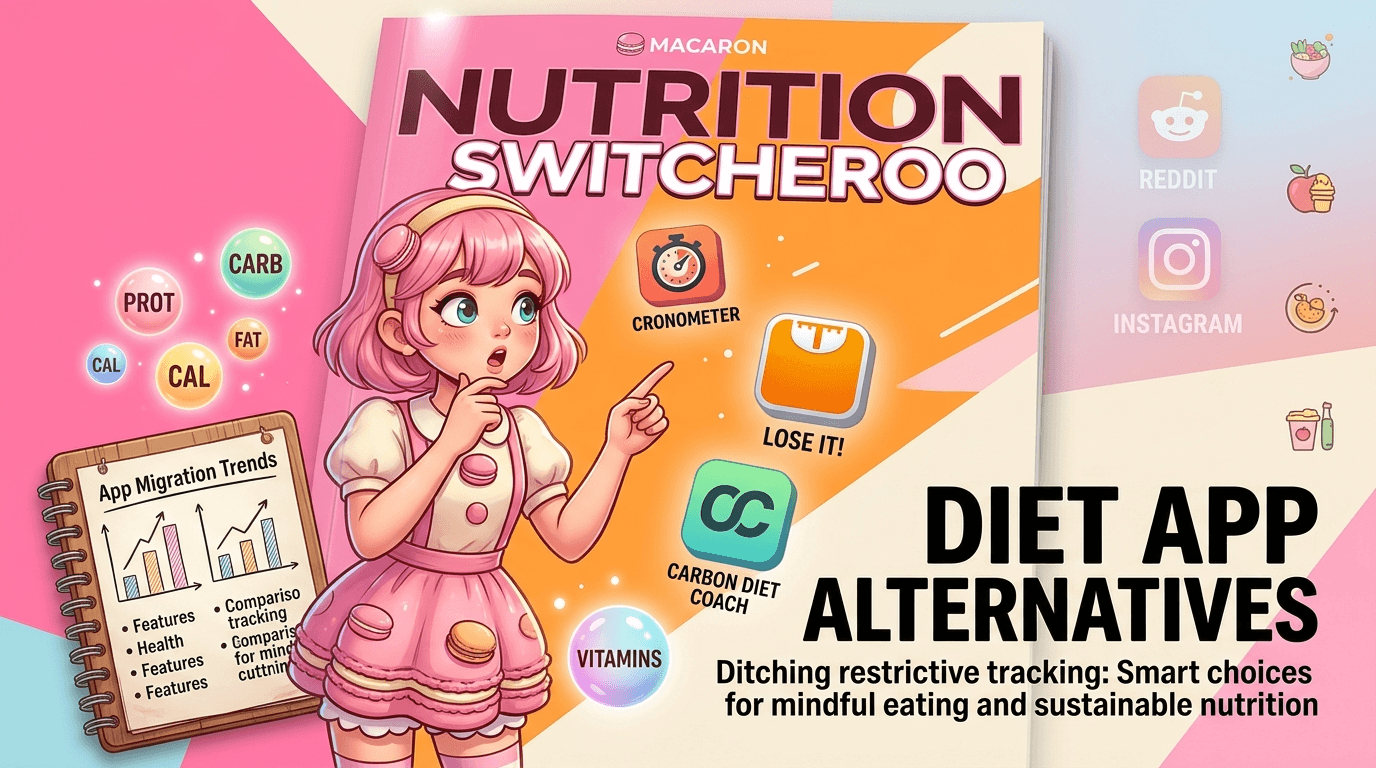
Users who outgrow Yazio usually do so for one of three reasons: they want more free nutrient detail, they want a different logging style, or they want fewer subscription boundaries. Cronometer is often chosen for deeper nutrient visibility, Lose It! for a more social experience, and Carbon Diet Coach for stricter AI-guided calorie control. Macaron fits a different gap by offering conversational nutrition support, which can feel less mechanical than traditional logging. Yazio remains better for fasting-first users, while competitors may be stronger for analytics-heavy or budget-conscious users.
Frequently Asked Questions
Yes, Yazio reviews are generally positive, especially from users who want a clean calorie tracker with fasting support. The app is often praised for being easy to learn and less visually crowded than some competitors. The main caveat is that newer reviews are more mixed because of UI changes and premium gating, so satisfaction depends on whether you value simplicity more than depth.
The most praised parts of Yazio are the fasting timer, the uncluttered dashboard, and the low-friction food logging flow. Many users also like the barcode scanner for packaged foods and the way the app keeps goals visible without overwhelming the screen. For beginners, that combination can make tracking feel more sustainable than using a heavier nutrition app.
The biggest complaints are about recent navigation changes, subscription paywalls, and inconsistent AI estimates for homemade meals. Some users say simple actions now take too many taps or too much scrolling, which makes the app feel less efficient than before. Others feel that features like micronutrient detail or advanced insights are locked too early behind premium plans.
It depends on what you want. Yazio is usually better for users who prefer a cleaner interface, fasting tools, and a less intimidating daily workflow. MyFitnessPal is often stronger for users who want a larger database, more established community features, or a more expansive tracking ecosystem. Yazio is the easier app to live with; MyFitnessPal is often the more feature-heavy one.
Yazio can adapt goals as your weight or targets change, which is useful for people following a structured plan. That said, users should still review the settings rather than assume every number updates perfectly on its own. Like most nutrition apps, it works best when you treat the recommendation as a guide and adjust based on your own progress and energy levels.
Yazio’s AI scan is usually more reliable for packaged foods than for homemade meals or mixed dishes. Labels, barcodes, and standardized portions are easier for the app to interpret, while restaurant meals and recipes can produce rough estimates. It is helpful for speed, but users who need precision should verify entries manually, especially when tracking closely for macros or calories. For a third-party check, [AD] I Tried YAZIO for One Month and Here Are My Detailed ... at https://storiesofamillennial.com/yazio-review/ is worth comparing against the page summary.
Yazio can be worth paying for if you use the fasting tools regularly and want a polished tracking experience with more guidance. If you mainly want detailed nutrient data, the value is less clear because some competitors offer more in their free tiers. The best fit is someone who wants convenience and structure, not the deepest analytics available. For another outside reference, I tested YAZIO: a dietitian's review of the nutrition tracking app at https://www.darwin-nutrition.fr/en/brand-tests/yazio-review/ adds a second perspective.
Macaron is a stronger fit for users who want nutrition support that feels more conversational and adaptive. Instead of relying only on rigid logging screens, it can help users think through meals, habits, and goals in a more flexible way. That tradeoff means it may be less traditional than Yazio, but it can feel more personal for people who dislike repetitive tracking.com is a useful reference point.com is a useful reference point.com is a useful reference point.com is a useful reference point.com is a useful reference point. For outside context, Read Customer Service Reviews of yazio.com - Trustpilot at https://www.trustpilot.com/review/yazio.com is a useful reference point.
Read & discover
AI Personal Assistant
Free calculators


