Zero Fasting App
Zero remains a top fasting app in 2025 with its clean timer interface and science-backed coaching, but users increasingly question its value versus broader AI nutrition tools.
How the Zero Fasting App Works
Zero built its reputation on making intermittent fasting feel manageable for beginners and repeat users alike. The app centers on a simple fasting timer, clear visual progress, and lightweight reminders that reduce the friction of starting and stopping a fast. That narrow focus is a strength for people who want structure without a lot of setup, but it also means Zero is less useful if you want one app to manage meals, macros, and daily nutrition decisions.
In 2025, Zero leans harder into longevity and metabolic education. The app presents fasting as part of a broader health routine, not just a weight-loss tactic, and Zero Plus expands that story with coaching, science explainers, and metabolic state indicators. This makes the app more appealing to users who like a guided framework, though the added context is only valuable if you actually want to follow a protocol closely.
The biggest change in user sentiment is not about the timer itself, but about access. Many people still like Zero’s interface, yet they are less enthusiastic about how much of the useful guidance now sits behind a subscription. That creates a split audience: users who only need a clean fasting clock, and users who want the app to explain what to do next. The second group is more likely to compare Zero with broader AI tools. For a related Macaron page, see Best AI Personal Assistant in 2025: A Test Suite You Can Reuse at https://macaron.im/blog/ai-personal-assistant-test.
Zero works best when your schedule is predictable and your fasting pattern is consistent. If you already know you want 16:8, 18:6, or a custom window, the app gives you a straightforward way to stay on track and review your history. If your days change often, or you need help deciding what to eat during eating windows, the app’s fixed-protocol approach can feel limiting rather than supportive.
Compared with newer AI nutrition apps, Zero is more opinionated and less adaptive. That is a tradeoff, not a flaw: some users prefer a dedicated fasting product that stays out of the way and keeps the experience focused. Others will find that a more flexible assistant, like Macaron, is better when fasting is only one part of a larger routine involving meals, travel, work meetings, and changing goals.
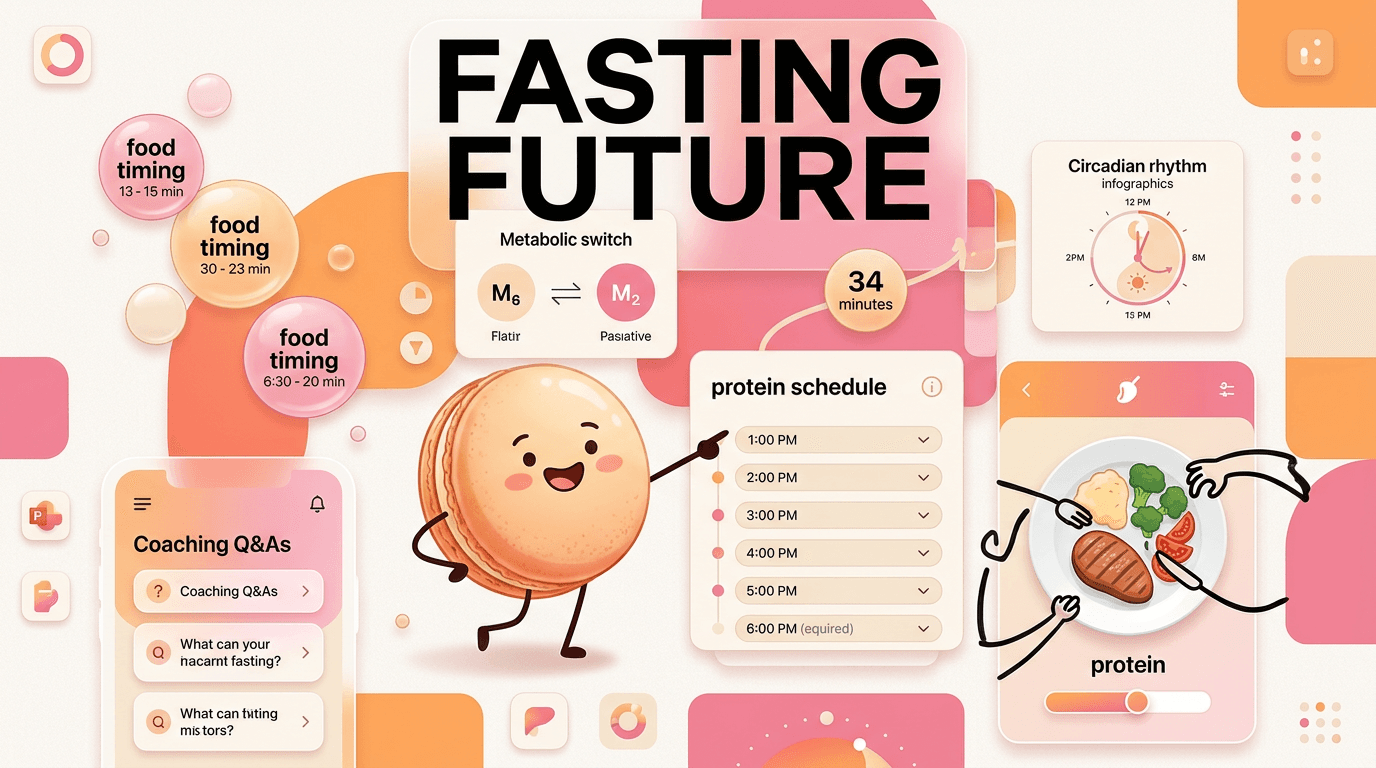
How the Zero Fasting App Works
Zero simplifies intermittent fasting with a timer-first workflow that makes it easy to start, pause, and review fasting windows. It supports common plans such as 16:8 and 18:6, plus custom schedules for users who want more control. The app tracks fasting duration, streaks, and basic history in the free version, while Zero Plus adds deeper analytics and metabolic guidance. That design is ideal for protocol-driven users, but it offers less help for people who want meal planning, recipe ideas, or flexible nutrition support.
Zero's Coaching and Community Features
Zero Plus adds a coaching layer built around longevity science, circadian rhythm education, and fasting optimization tips. The content is useful for users who want to understand why fasting windows matter, especially if they are trying to preserve muscle, manage appetite, or build a repeatable routine. The limitation is personalization: the guidance tends to be broad, so people with irregular work hours, travel-heavy schedules, or medication-related constraints may still need to make their own adjustments rather than rely on the app to adapt for them.
More About Zero Fasting App
Zero’s main strength is clarity. The app keeps the fasting experience simple with a clean interface, visible countdowns, and reminders that help users stay consistent without constantly checking their phone. That simplicity is valuable for beginners who want a low-friction entry point, and for experienced fasters who already know their schedule. The tradeoff is that the app does not try to solve every nutrition problem, so users looking for broader meal guidance may need another tool alongside it.
The app’s science positioning is a major part of its appeal. Zero Plus frames fasting as part of a longevity-oriented routine, with explanations around metabolic switching, eating windows, and timing strategies. That can help users understand the logic behind fasting, but it is not the same as individualized coaching. If you want a product that changes recommendations based on your calendar, food preferences, or changing goals, Zero is more rigid than newer AI-driven alternatives.
Zero has also expanded beyond pure fasting into light nutrition tracking, but the experience still feels secondary to the timer. Protein, hydration, and food logging are present, yet they do not replace a full meal-planning workflow. This makes the app a decent fit for users who want a fasting companion with some nutrition context, but not for people who want to log every meal, compare macros, or receive dynamic suggestions after a busy day. Another useful Macaron comparison is 20 AI Tools to Upgrade Your Daily Life - Macaron - Macaron App at https://macaron.im/blog/macaron-app-ai-tools-daily-life.
Pricing is one of the most common friction points. The app’s free tier covers the basics, but many of the features that make Zero feel more complete are reserved for Zero Plus. That includes deeper analytics, coaching content, and fasting zone insights. The subscription model is not unusual for health apps, but users often notice the cost only after onboarding, which can create a mismatch between the app store impression and the actual long-term value. For a broader Macaron context, AI Personal Assistant: What to Look For in 2026 - Macaron at https://macaron.im/blog/ai-personal-assistant-what-to-look-for-2026 can help you compare the decision from another angle.
For users who want a broader health assistant, Macaron offers a different kind of utility. Instead of asking you to follow a fixed fasting protocol, it can adapt meal suggestions around your schedule, remember preferences, and respond to changing routines. That flexibility is useful for people who travel, work late, or want one system for meals and habits. The tradeoff is that Macaron is less specialized than Zero for fasting purists who want a dedicated tracker.

Zero Fasting App Pricing
Zero uses a freemium model that gives users access to the core timer without paying, while more advanced features sit behind Zero Plus. In 2025, the subscription is commonly presented around $70 per year, though trial offers and onboarding flows can make the real cost easy to miss at first. The upside is that you can test the basic experience before committing. The downside is that some of the most useful features, including deeper analytics and coaching, are only visible after you have already invested time in setup.
A More Adaptive AI Alternative
Macaron takes a different approach by treating fasting as one part of a larger daily system rather than the whole product. It can adjust meal suggestions when your schedule changes, help interpret food photos, and keep track of preferences over time so recommendations become more relevant. That makes it especially useful for people whose routines are unpredictable or who want help with both fasting and eating. Zero is still stronger for users who want a dedicated fasting app with a clear protocol and a more focused science narrative.
Frequently Asked Questions
Yes, especially if you want a simple fasting timer and a structured way to follow a consistent protocol. Zero is strongest for beginners who need clarity and for experienced users who already know their fasting pattern. The main limitation is flexibility: if you want meal planning, adaptive suggestions, or broader nutrition support, Zero can feel narrow compared with more general health apps.
Zero has a free version, but the most useful coaching and analytics features are part of Zero Plus. That means you can use the timer without paying, yet deeper guidance, fasting zone insights, and some progress tools require a subscription. The free tier is enough for basic tracking, but users who want the app’s full value should expect to run into paywalls during onboarding or feature exploration.
It depends on what you want. Zero is one of the better options for protocol-focused fasting because the interface is clean and the science framing is easy to follow. Other apps may offer more community features, more meal logging, or more flexible coaching. If you want a dedicated fasting tracker, Zero is strong. If you want a broader nutrition system, another app may fit better.
Macaron is a better fit for people whose schedules change often or who want help beyond fasting windows. It can adapt meal suggestions, remember preferences, and support nutrition decisions throughout the day instead of only tracking a fast. That flexibility is useful for travel, shift work, or busy calendars. The tradeoff is that Macaron is less specialized than Zero for users who only want fasting science and a dedicated timer.
Zero Plus adds the features that make the app feel more complete, including coaching content, deeper analytics, and fasting-related guidance tied to longevity and metabolic education. It is designed for users who want more than a timer and are willing to pay for structured support. If you only need to start and stop fasting windows, the free version may be enough. If you want interpretation and context, Plus is the more useful tier.
Zero can support weight loss indirectly by helping you stay consistent with fasting windows and by making your routine easier to follow. It does not replace nutrition planning or behavior change, though, and it will not automatically tell you what to eat. Users who pair fasting with thoughtful meal choices may find it helpful, but results still depend on overall diet, consistency, sleep, and activity. For a third-party check, Introducing “Zero,” a new app to help you fast | by Kevin Rose at https://medium.com/@kevinrose/introducing-zero-a-new-app-to-help-you-fast-209935e8245d is worth comparing against the page summary.
Yes, but only in a limited way compared with full nutrition apps. Zero includes light food and nutrition tracking, along with attention to hydration and protein timing, but the app still centers on fasting windows. That makes it useful if you want a fasting companion with some nutrition context. It is less suitable if you want detailed macro tracking, recipe planning, or a full meal log. For another outside reference, How the Zero app can help with Intermittent Fasting | by Dr. Miss at https://lorichappellmann.medium.com/how-the-zero-app-can-help-with-intermittent-fasting-19eaf2d8551d adds a second perspective.
Zero is best for users who want a dedicated intermittent fasting app with minimal clutter and a strong focus on routine. It works well for beginners who want structure and for experienced fasters who follow a repeatable schedule. It is less ideal for people with irregular days, frequent travel, or a need for adaptive meal support. Those users may prefer a more flexible AI assistant.com/ is a useful reference point.com/ is a useful reference point.com/ is a useful reference point.com/ is a useful reference point.com/ is a useful reference point. For outside context, Zero Longevity: Intermittent Fasting & Food Tracker App at https://zerolongevity.com/ is a useful reference point.
Read & discover
AI Personal Assistant
Free calculators


