Zoe App
ZOE combines microbiome testing with AI-powered food scoring in a membership program that goes beyond typical nutrition apps. Its scientific approach attracts users but requires a significant financial commitment.
How the Zoe App and Testing Kit Works
ZOE sits between a nutrition tracker and a testing program, which is why it feels more involved than most diet apps. Instead of relying only on manual logging, it uses at-home tests to build a profile of your gut microbiome and blood sugar response, then turns that data into food guidance. That extra setup is the main reason users either find it compelling or too demanding.
The app’s current version reflects a shift from ZOE’s earlier COVID symptom-tracking roots into a broader personalized nutrition product. Today, the experience centers on scanning foods, reviewing meal scores, and learning which ingredients may be easier or harder for your body to handle. The promise is not generic healthy eating advice, but recommendations tied to your own test results.
ZOE’s appeal is strongest for people who want a structured, science-first approach to food choices. The app highlights processed food risk, blood sugar impact, and gut-related signals in a way that is more specific than calorie counting alone. That specificity can be useful, but it also means the app depends on users being comfortable with a more technical and less intuitive system. For a related Macaron page, see Calorie Tracker — Monitor every bite to shape your health | Macaron at https://macaron.im/playbook/calorie-tracker-68957e011bbc6bcd9f80555e.
The 2025 version is simpler to navigate than earlier releases and includes more accessible entry points, but the full program still carries a high cost. Users can explore some features without the complete testing workflow, yet the most personalized scoring remains tied to the kit and membership. That makes ZOE more of a guided health program than a casual app download.
For some users, that tradeoff is worth it because the recommendations feel more individualized than standard nutrition apps. For others, the price, wait time, and testing requirement make the experience feel heavy before any value is delivered. ZOE is strongest when you want data-backed structure; it is weaker when you want fast, flexible, low-commitment food tracking.
How the Zoe App and Testing Kit Works
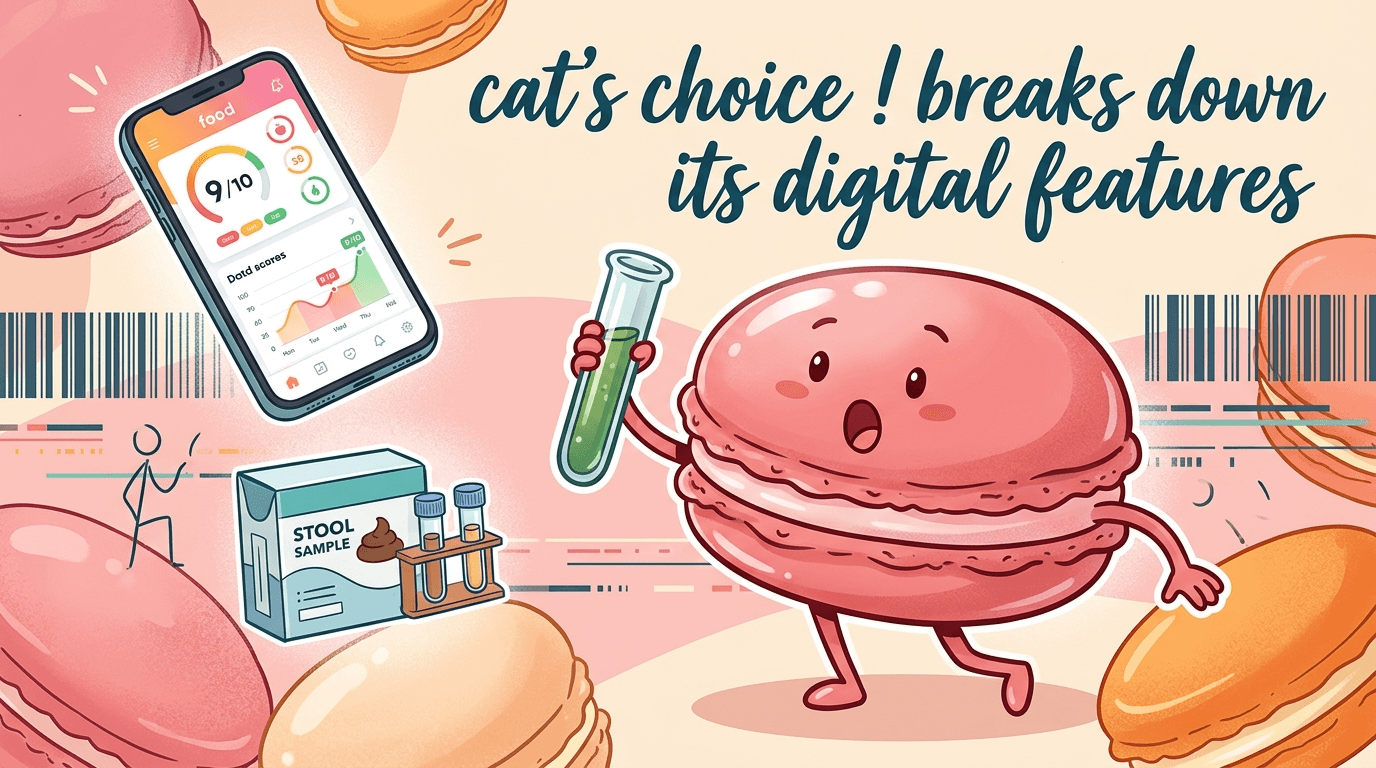
ZOE starts with an at-home testing kit that typically includes stool-based microbiome analysis and blood sugar measurement, giving the app a biological baseline before it offers personalized guidance. After the samples are processed, the results feed into the app’s scoring system, which then evaluates meals and packaged foods through photo logging, barcode scanning, and ingredient review. The upside is more tailored feedback; the tradeoff is that you must complete a more involved setup before the app becomes truly useful.
What Zoe's Personalized Scores Mean
ZOE’s red-to-green scoring system is designed to show how a food may affect your body, not just how many calories it contains. Scores are influenced by fiber, added sugar, degree of processing, and your own microbiome and metabolic data. That makes the system more individualized than a standard nutrition label, but it can also feel counterintuitive when familiar foods receive poor scores. The app is most useful when you want a decision aid, not a universal verdict on whether a food is “good” or “bad.”
More About Zoe App
ZOE’s main differentiator is the combination of lab testing and app-based coaching. Most nutrition apps can log meals or estimate nutrients, but ZOE tries to explain why the same food may affect two people differently. That makes it attractive to users who want a more personalized framework, though it also creates a higher setup burden and a stronger need to trust the underlying model.
The processed food risk scale is one of the app’s most visible features because it translates a complex nutrition topic into a simple scan-and-score workflow. It can help users spot ultra-processed foods, compare packaged items, and rethink routine purchases. The downside is that the scoring can feel overly rigid when a food’s rating conflicts with a user’s expectations or with broader diet advice.
ZOE Plus adds more hands-on support, including meal planning and nutrition coaching, but it also pushes the total cost higher. That matters because ZOE already asks users to pay for the testing kit and membership before they get the full experience. The result is a product that may feel comprehensive to committed users, but expensive for anyone who mainly wants practical food tracking. Another useful Macaron comparison is AI Story App - Macaron at https://macaron.im/ai-story-app.
The company points to clinical research and user outcomes to support its approach, especially around metabolic markers and eating behavior. Those signals matter, but they do not automatically mean ZOE is the best choice for every user. People who already eat mostly whole foods may see limited incremental value, while users who need structure, accountability, and personalized feedback may find the system more helpful. For a broader Macaron context, Best AI Personal Assistant in 2025: A Test Suite You Can Reuse at https://macaron.im/blog/ai-personal-assistant-test can help you compare the decision from another angle.
Macaron is a useful contrast because it focuses on immediate AI assistance rather than lab-based personalization. It can help users estimate meals from photos, build tools from simple prompts, and adapt to changing habits without requiring a test kit or subscription commitment. That makes Macaron more accessible, while ZOE remains stronger for users who specifically want microbiome-informed guidance and are willing to pay for it.
Zoe Pricing in 2025
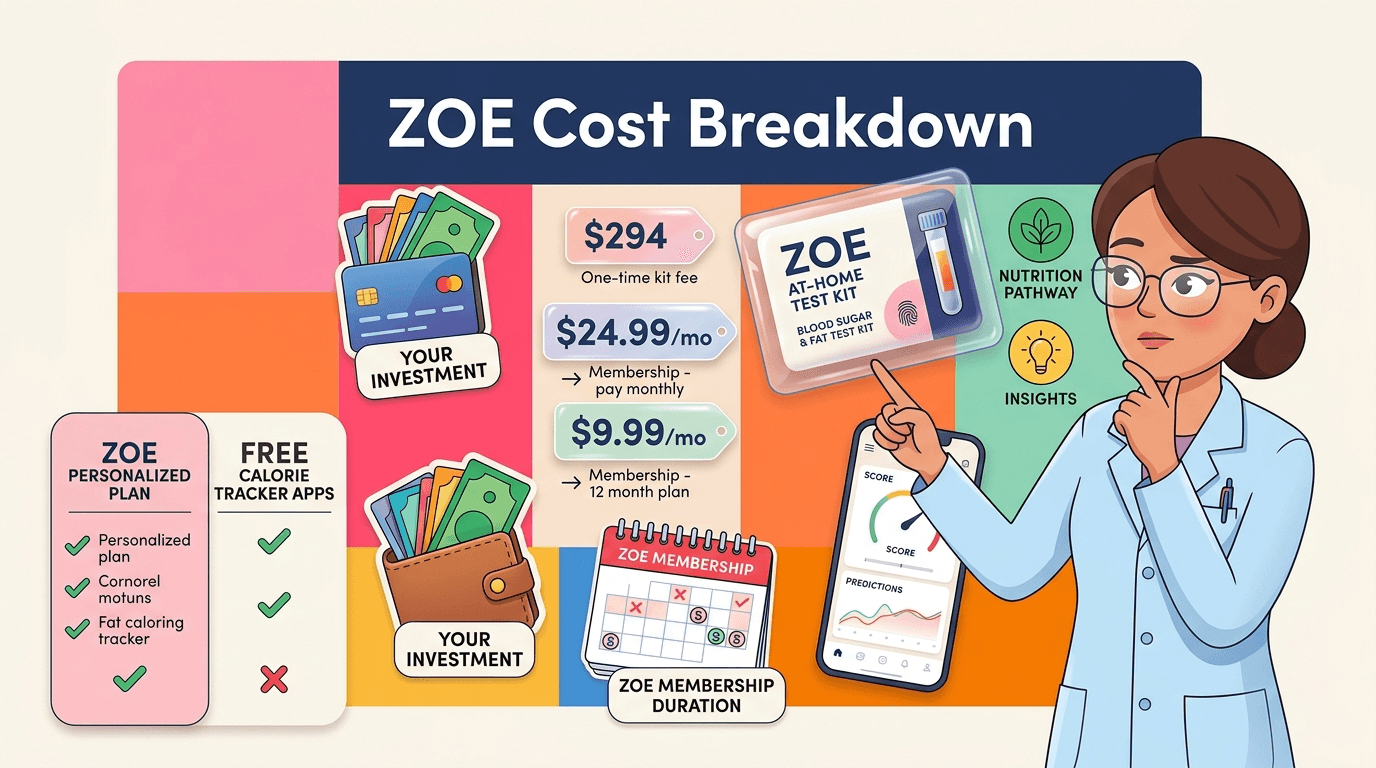
ZOE’s pricing reflects the fact that it is both a testing service and a nutrition app. The required test kit costs $294, and users then choose between membership tiers such as the Start plan at $24.99 per month or the Core plan with a lower monthly rate after the upfront purchase. ZOE Plus adds another annual fee for extra coaching and planning tools. The structure makes sense if you value the testing, but it is a meaningful commitment compared with free or lower-cost nutrition apps.
A Free AI Nutrition Alternative to Zoe
Macaron takes a lighter approach by skipping lab testing and focusing on fast, practical AI support. Users can describe goals in plain language, log meals with photos, and get immediate estimates or planning help without buying a kit first. That makes it easier to try, easier to stop, and better suited to people who want everyday nutrition assistance rather than a formal health program. The tradeoff is that Macaron cannot match ZOE’s microbiome-based personalization or science-driven testing workflow.
Frequently Asked Questions
The app itself can be downloaded for free, but the full ZOE experience is not free. Most of the personalized scoring and deeper insights depend on the paid testing kit and a membership plan. Some basic features may be available without the full program, but the app is designed to work best once your test results are connected. If you only want casual food tracking, the free layer may feel limited.
ZOE combines at-home testing with app-based nutrition guidance. It uses microbiome and blood sugar data to score foods, highlight processed food risks, and suggest meals that may fit your body better than generic diet advice. The app is meant to help users make more informed choices one meal at a time. It is less about counting everything you eat and more about interpreting how specific foods may affect you.
ZOE can be worth it if you want a structured, science-oriented program and are comfortable paying for testing plus membership. It is especially appealing to users who want personalized food scores and are motivated by data. The downside is that many people can improve their diet with simpler, cheaper habits such as eating more whole foods and reducing ultra-processed items. If you want convenience over depth, ZOE may feel expensive.
Macaron is a cheaper alternative because it does not require a testing kit or long-term membership to be useful. It offers AI meal help, photo-based logging, and flexible tool creation for users who want practical guidance without a large upfront cost. Cronometer is another lower-cost option if you want detailed nutrition tracking. ZOE still has the edge for microbiome-based personalization, but lighter apps are easier to try.
The processed food risk scale is ZOE’s way of flagging foods that are more likely to be ultra-processed or less supportive of gut and metabolic health. It looks beyond calories and considers ingredients, fiber, sugar, and the degree of processing. The scale is useful for comparing packaged foods quickly, but it is not a universal health verdict. Some users find the scores surprising when familiar foods rank poorly. For a third-party check, Zoe Health Study - Wikipedia at https://en.wikipedia.org/wiki/Zoe_Health_Study is worth comparing against the page summary.
You can use some parts of the app without the test kit, but the core personalized experience depends on it. The kit is what allows ZOE to tailor scores and recommendations to your microbiome and blood sugar response. Without it, the app is closer to a general food tracker than a personalized nutrition program. That is the main difference between browsing the app and getting the full service. For another outside reference, 'Personalising stuff that doesn't matter': the trouble with the Zoe ... at https://www.theguardian.com/science/article/2024/may/18/zoe-nutrition-app-diet-tim-spector-wellness-science adds a second perspective.
ZOE is stronger if you want lab-based personalization, processed food analysis, and a more research-driven framework. Macaron is better if you want something faster, cheaper, and easier to start using right away. Macaron does not offer microbiome testing, so it cannot match ZOE’s biological depth. But it is more flexible for everyday planning and does not ask for the same financial commitment up front.com/en-us/?srsltid=AfmBOopyTfeh_QYyCKqeOahRx_nba1WC8SlrNUb_lAAkVpXuNNeUN88w is a useful reference point.com/en-us/?srsltid=AfmBOopyTfeh_QYyCKqeOahRx_nba1WC8SlrNUb_lAAkVpXuNNeUN88w is a useful reference point.com/en-us/?srsltid=AfmBOopyTfeh_QYyCKqeOahRx_nba1WC8SlrNUb_lAAkVpXuNNeUN88w is a useful reference point.com/en-us/?srsltid=AfmBOopyTfeh_QYyCKqeOahRx_nba1WC8SlrNUb_lAAkVpXuNNeUN88w is a useful reference point.com/en-us/?srsltid=AfmBOopyTfeh_QYyCKqeOahRx_nba1WC8SlrNUb_lAAkVpXuNNeUN88w is a useful reference point. For outside context, ZOE — Feel healthier. In weeks. at https://zoe.com/en-us/?srsltid=AfmBOopyTfeh_QYyCKqeOahRx_nba1WC8SlrNUb_lAAkVpXuNNeUN88w is a useful reference point.
Read & discover
AI Personal Assistant
Free calculators


