Best Strength Training for Women: Compare Workout Styles
Best Strength Training for Women: Compare Workout Styles

The best strength training for women depends on five inputs: your goal, experience, confidence, technique-support needs, and access. Compare free weights, machines, bands/bodyweight, and instructor-led classes, then choose a primary style and a practical fallback.
Quick Answer: No Single Style Fits Every Woman
Choose the style whose mechanics fit your goal and whose setting lets you practice with appropriate support. ACSM resistance guidance emphasizes consistency for healthy adults; equipment type did not consistently determine outcomes for the average healthy adult. That supports a conditional choice, not universal interchangeability. The matrix below makes the trade-offs visible.
Compare the Main Strength Training Styles
Free Weights
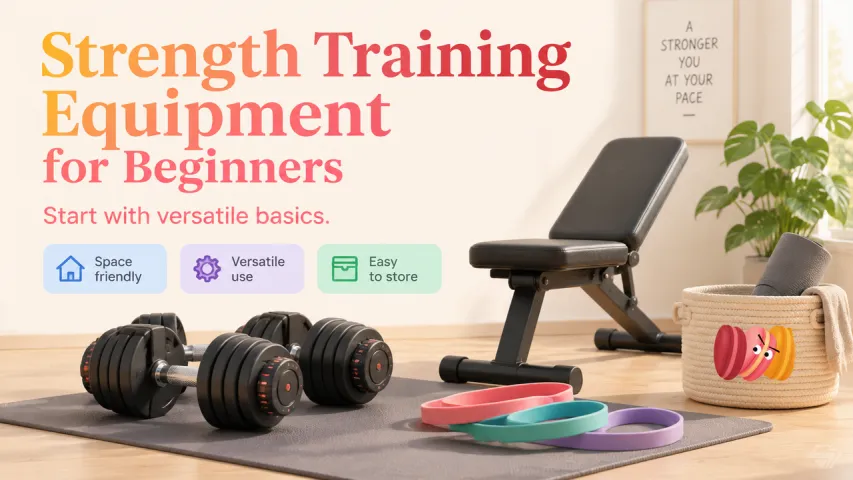
Free weights offer movement freedom and varied loading options. You manage the equipment's path, stability, handling, and surrounding space. Instruction can clarify setup; freedom alone does not make this style superior.
Weight Machines
Machines provide a defined path and often a supported position, with equipment-specific resistance adjustments. Seat, handle, and transfer fit still matter. A guided path does not guarantee suitability for every body or mobility aid.
Resistance Bands and Bodyweight Training
These options travel easily and need little storage. Scaling difficulty and recognizing progression can be less obvious; bands may require secure anchoring. Minimal equipment still requires clear instruction.
Instructor-Led Strength Classes
Classes provide demonstration, shared pacing, and structure. They may use any equipment above. Group cues differ from individual coaching; format, instructor attention, and available adaptations vary.
Fallbacks preserve a broad purpose; they are not automatic exercise substitutions.

Match the Style to Your Primary Goal
Turn your goal into a property you can compare. If you want to learn controlled resistance with fewer setup decisions, a well-fitting machine plus an orientation may deserve a place on your shortlist. If movement choice matters more, free weights may fit, provided handling and technique support are available.
For continuity during travel, bands or familiar bodyweight formats may remove an equipment dependency. That advantage disappears if you do not understand the variation or cannot arrange its setup. For social structure, a class may provide a useful appointment and demonstration, provided the pace leaves room to understand instructions and ask questions.
CDC adult guidance includes muscle-strengthening activity involving all major muscle groups. This establishes the general category; it does not select your personal method. Ask how a proposed format addresses your purpose before being impressed by its equipment count or name.
Compare resistance adjustment, control, and feedback together. A machine's setting can make resistance changes easy to identify, but its fixed path still needs to fit. Free weights offer flexible positioning, but you must understand how to handle them. With bands or bodyweight, ask what changes between versions and how to recognize that change. In a class, find out whether equipment choices and individual questions fit the session format.
If your next question is whether a program explains its choices well, use the muscle-plan guide. Choosing a style comes before evaluating the details of a women's resistance training program.
Consider Experience, Confidence, and Technique Support
Confidence describes how a setting feels to you; it does not measure physical ability. Someone comfortable with bands may still need a machine orientation. Someone familiar with a gym may want individual feedback on free-weight setup.
Ask who can observe you, when they are available, and what their role includes. The ACSM professional registry links to a way of checking current ACSM credentials. It is one verification route, not a universal licensing system or an endorsement of a particular coach.
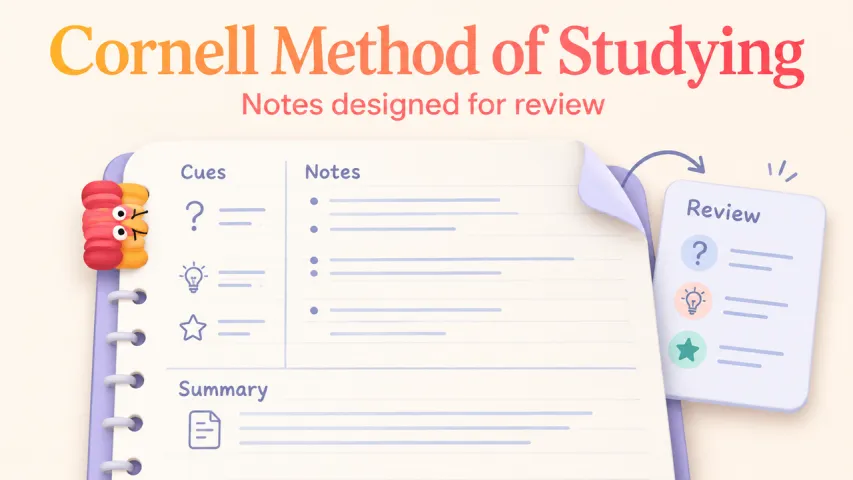
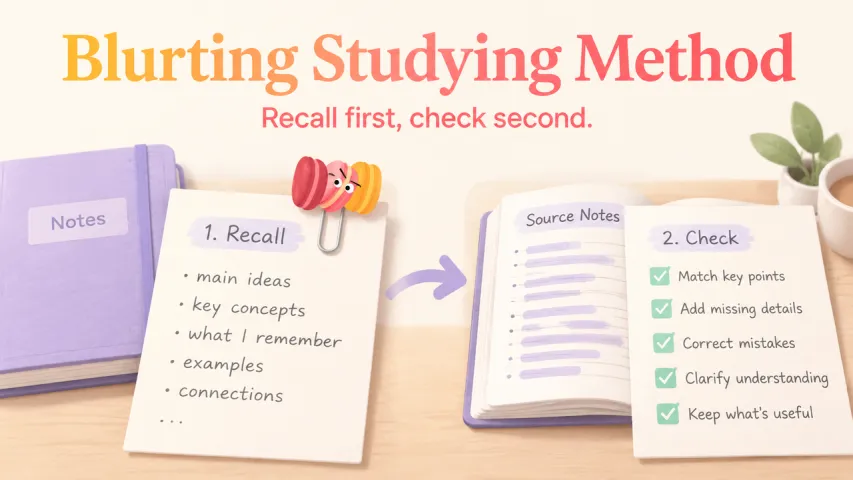
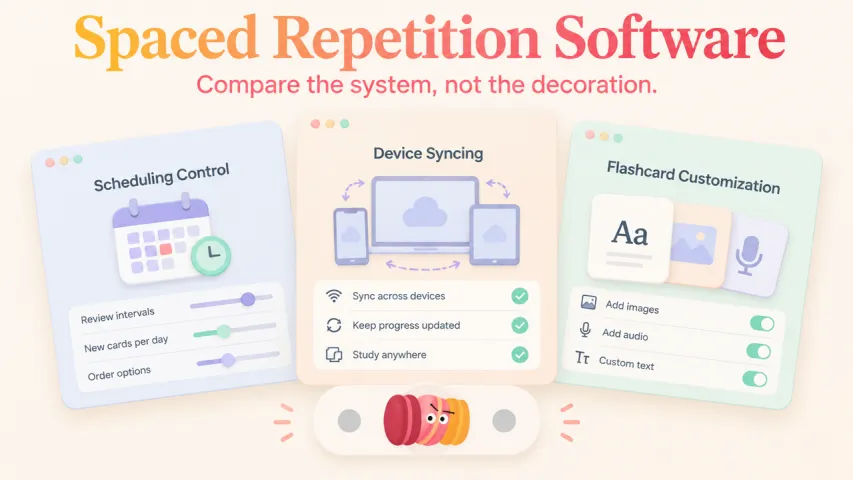
For practical starting-context questions, the Macaron beginner guide shown below considers available time, environment, and movement experience. The screenshot identifies that reading resource; it does not demonstrate coaching or a product feature. Readers comparing age-related starting questions can continue to the over-50 strength guide.
Pregnancy exercise decisions belong with an obstetric professional, as ACOG pregnancy guidance explains; it also identifies warning signs requiring stopping and contacting that professional. Postpartum questions likewise need appropriate maternity-care input. Injury or rehabilitation questions may require a physician or physical therapist.
Stop activity and seek appropriate help for pain, faintness, chest pain, severe or unusual shortness of breath, new neurological symptoms, or other concerning symptoms. Urgent or severe symptoms require local emergency care. This comparison is general education, not a readiness assessment.

Compare Home, Gym, and Class Access
Compare the whole experience: travel, setup, storage, noise, crowding, equipment fit, timetables, cost, and sensory needs. Home can remove a commute while adding household interruptions. A gym can offer equipment variety while leaving you waiting for the station you understand. A class can simplify planning while making a missed booking harder to replace.
For adults with chronic conditions or disabilities, CDC accessibility guidance includes bands, machines, and handheld weights among its examples and recommends professional discussion about appropriate activity. Disability does not imply one ability level or preferred style. Ask about the actual route through the space, transfers, communication, and available support.
Choose a fallback that removes your most likely access obstacle. If travel blocks your primary setting, another distant class may solve little. Once the setting is settled, the routine-by-days guide addresses the separate scheduling decision.

Separate Women's Marketing From Meaningful Design
Ask what changes because a service says "for women." Useful answers might concern coaching approach, equipment fit, representation, privacy, a clearly explained life-stage referral pathway, or community policies. Check the specific provision that matters to you.
A pink interface or women-only label does not establish medical personalization or better programming. Ask who provides adaptations and what qualifications support that role. For software cost, platform, export, or cancellation comparisons, use the training-app guide.
Build a Personal Workout-Style Shortlist
Use the Primary-and-Fallback Style Map to leave with two conditional choices. Write your primary goal, reliable environment, current confidence, needed feedback, and one non-negotiable. Compare two promising styles using every table column, including the support you would actually receive.
Arrange an orientation or suitable introductory experience focused on understanding the setting, without testing maximal effort. Afterwards, record setup clarity, comfort, access friction, and whether help was available. Repeatedly guessing adjustments, missing instructions, or finding no promised support are reasons to revisit the choice. Ask for clarification or consider an understood alternative before improvising.
The decision is complete when you can explain why the primary style fits, what interruption activates the fallback, and what instruction remains necessary. A fallback should reduce friction without introducing an unfamiliar setup. These notes compare fit; they do not score medical readiness. The illustrations show conceptual decision aids, not Macaron app screens.
Hypothetical choice: A reader wants a reliable general-strength option, feels uncertain about free-weight setup, can reach a gym once a week, and travels unpredictably. A machine-based orientation may be the primary learning environment; familiar bands/bodyweight may become a travel fallback after suitable instruction. She asks staff to demonstrate setup, records equipment adjustments, and selects the fallback only once she understands it. After several ordinary uses, she compares setup clarity, confidence, travel friction, and remaining feedback needs. This example does not establish medical readiness or prescribe exercises; pain, unusual symptoms, or health questions require qualified guidance.

FAQ
Do women-only gyms allow members to bring outside trainers?
Policies vary. Read the facility's member agreement and ask about outside trainers, guest access, credentials, insurance, and fees. The women-only label does not answer these questions. Confirm permission before booking a trainer to meet you there.
Can strength class memberships pause automatically during pregnancy?
Automatic freezes are not universal. Check the provider's freeze terms, required documentation, billing restart, and cancellation process. Request written confirmation of any approved pause and its effective dates before assuming charges have stopped.
Are recorded strength classes available with accessibility captions?
Check the specific library for captions, transcripts, playback controls, and equivalent written instruction. Preview the classes you intend to use. A general accessibility statement does not establish full catalog coverage; ask support when coverage is not disclosed.
Do gym waivers differ for supervised free-weight areas?
Ask the facility for its current waiver and an explanation of the relevant area rules. Distinguish an initial orientation, active supervision, and personal training. Do not infer that supervision changes legal rights or guarantees safety; this is general information.
Can members export attendance history when changing gyms?
Check the member portal, privacy policy, and support documentation. Visible attendance history does not prove exportability. If the answer is not disclosed, ask about available formats and retention before closing the account, and verify that any offered export opens.
Conclusion
Write your primary need, compare two styles using the same fields, and choose a primary plus a fallback. Keep the reason beside each choice. That gives you a decision you can revisit when access or support changes, without restarting the search for one universal winner.
Previous posts







Apply to become Macaron's first friends
Read & discover
المساعد الشخصي بالذكاء الاصطناعي
Free calculators


