Gamify Your Life Without Making It a Chore
Gamify Your Life Without Making It a Chore

Most advice on how to gamify your life gets the order wrong. It starts with the points — streaks, badges, levels — as if the trick is just making things rewarding enough that you'll finally follow through.
But the part nobody talks about is what happens after week two, when checking the box stops feeling fun and starts feeling like one more thing you owe the app.
So this isn't a list of apps to download. It's about what's actually worth turning into a game, what you should leave alone, and how to set up rewards so life gamification helps you start — instead of becoming another chore you quietly abandon.
Quick version: gamify the things you already want to do but keep skipping. Leave alone the things you do for their own sake. And make the reward fit the size of the task.
Life gamification should make starting easier
Here's the thing — the hardest part of most habits isn't doing them. It's starting.
Gamifying works when it shrinks that first step. A tiny win you can see, a streak you don't want to break, a reward waiting on the other side. The game is just a nudge over the threshold.

People who study motivation have a name for why this matters. Self-determination theory suggests we're more likely to stick with something when we feel a sense of choice and a sense of getting better at it. A good game loop gives you both: you decide what counts, and you watch yourself improve.
When gamifying adds pressure instead of lowering it, that's usually a sign it's pointed at the wrong thing.
What is worth gamifying
Not everything responds well to a game layer. The things that do tend to share a pattern: you already want the outcome, but the doing keeps slipping.
Repeating habits
This is the sweet spot. Anything you want to do regularly — water, a short walk, ten minutes of reading — gets easier to repeat when there's a small marker for showing up.
Habits form through doing the same thing in the same context until it stops needing a decision. There's research on how habits form showing this takes a lot longer than the tidy "21 days" people like to repeat — and that missing a single day doesn't undo your progress.
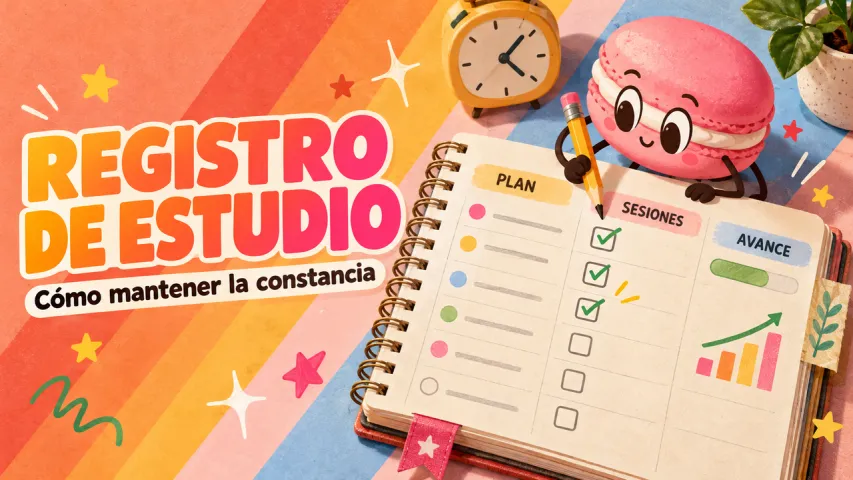
A streak counter helps here precisely because it rewards the repetition, not the result. That's also what makes a game habit stick: you're scoring the act of turning up.
Small boring tasks
The other thing worth gamifying: the small, dull stuff you'd rather not think about. Replying to that one email. Rinsing the dishes before they pile up. Ten minutes of tidying.
These tasks aren't hard. They're just charmless. A point, a check, a tiny "done" sound gives a boring task a little edge of satisfaction it didn't earn on its own — and that's often enough to get it over with.
Short challenges
Then there are challenges with an end date. A week without late-night scrolling. Five days of stretching before bed. A weekend of cooking instead of ordering in.
These work because they're finite. You're not signing up forever — you're playing a short round. Low stakes, close finish line, and you decide afterward whether it's worth keeping. Most of the things I've actually held onto started as a throwaway one-week experiment.
What should not be gamified
This is where it goes sideways for most people, me included.
Don't gamify the things you already do because you love them. The reading you'd do anyway. The hobby you lose hours in. The walk you take to clear your head.
There's a well-documented catch here called the overjustification effect: when you start rewarding something you already enjoy, the reward can quietly replace the enjoyment. The thing that used to feel like yours starts to feel like work you're being paid for in points.
I learned this the hard way with reading. I tried tracking it, setting page goals, building a little streak — and within a couple of weeks the thing I loved most had turned into a chore with a scoreboard. I dropped the tracking. The reading came back.
Apps, points, and rewards: what actually matters
People ask me which gamified productivity apps are worth it, and honestly, the app matters less than how you set up the reward.

There are well-known options — Habitica turns your tasks into a retro role-playing game, with experience points, gear, and a party of friends you let down if you skip. Apps like Habitica work beautifully for some people and feel like homework to others. A gamification app is only as good as the fit between its rewards and what you personally find rewarding.
Here's what actually moves things, app or no app:
- Match the reward to the task size. A tiny task gets a tiny reward. Save the big ones for the hard stuff, or they stop meaning anything.
- Reward showing up, not outcomes. You control whether you start. You don't always control the result.
- Let the reward be real to you. What motivates people is rarely the points themselves — it's the feeling of choosing, improving, and being connected to something.

The mistake I see most often: people copy someone else's setup wholesale, then wonder why none of it landed. The points were never the point.
That's part of why I've come to like having an AI friend that just remembers how I work. Instead of configuring yet another tracker, I can tell Macaron — in one sentence — what I want to keep an eye on, and it builds me a simple version that fits. It remembers that I like rewarding the showing-up, not the streak. It's a small thing. But it's not a small thing.

Worth a look if you're tired of setting up the same kind of tracker over and over, only to abandon it by the third week.
FAQ
What does it mean to gamify your life?
To gamify your life means borrowing the parts of games that make them satisfying — points, levels, streaks, small rewards — and applying them to ordinary tasks. The aim isn't to turn everything into a competition. It's to give the dull-but-necessary things a little pull, so starting feels lighter.
Are gamified productivity apps useful?
They can be, with one caveat: a gamified productivity app doesn't create the motivation, it organizes it. It helps most when you point it at things you genuinely want to do but keep skipping. Point it at things you already love, and it can backfire.
What are simple ways to gamify habits?
Start small. Pick one habit, give it a single visible marker — a check, a streak, a point — and reward the act of doing it, not the size of the result. Pair it with something you already do daily so there's a built-in cue. That's usually enough to turn a game habit into a real one.
When does life gamification become too much?
When the scorekeeping starts to stress you out, or when you notice you're doing things for the points instead of the thing itself. If maintaining the game feels like more work than the habit, that's the signal to strip it back. Life gamification is meant to make life lighter — not to hand you another job.
The truth is, no game layer fixes a life that already feels like too much. Mine didn't. But there's a real difference between a setup that leaves you feeling further behind and one that just makes the next small thing easier to start.
So if you're going to gamify your life, keep the bar right there. Not more pressure — just a little less friction getting started, and the freedom to drop whatever turns back into a chore.
Recommended Reads
Goal Tracker for People Who Keep Restarting
Smart Goals Worksheet That Does Not Feel Fake
Best Habit Tracker App in 2026: Which Fits You?
Habitify Habit Tracker Review 2026
Streaks Habit Tracker App Review 2026




Apply to become Macaron's first friends
Read & discover
AI Personal Assistant
Free calculators


