Wedding Dress Styles for Body Types: Fit and Movement
Wedding Dress Styles for Body Types: Fit and Movement

Your ceremony entrance is only one part of wearing a wedding gown. You may also want to sit through dinner, hug someone, manage steps, or transfer into a vehicle. Bring those moments into the fitting room alongside the photographs you love.
Compare wedding dress styles for body types by trying different skirt shapes and recording the same details in each gown. Bodice support, comfortable movement, train handling, and confirmed alteration options will tell you more than a rule linking one body shape to one silhouette.

What Should You Decide Before a Bridal Appointment?
Decide what you want the gown to let you do, the appearance you enjoy, and the total amount you can spend. Share your wedding date and venue conditions with the boutique before it selects candidates.
Make a short appointment brief:
- Appearance: a fitted outline, full skirt, particular neckline, or fabric you want to explore.
- Movement: seated comfort, walking distance, dancing, steps, or transfers relevant to your day.
- Spending: gown, alterations, underlayers, accessories, and any delivery or appointment charges.
- Timing: the date you need the finished gown, including travel before the wedding.
Bring the underlayers you intend to test and shoes near your planned heel height, if known. David’s Bridal’s try-on preparation guide also identifies budget, date, shoes, and reference images as useful preparation. Confirm the boutique’s own instructions rather than buying foundations before you know the gown’s construction.
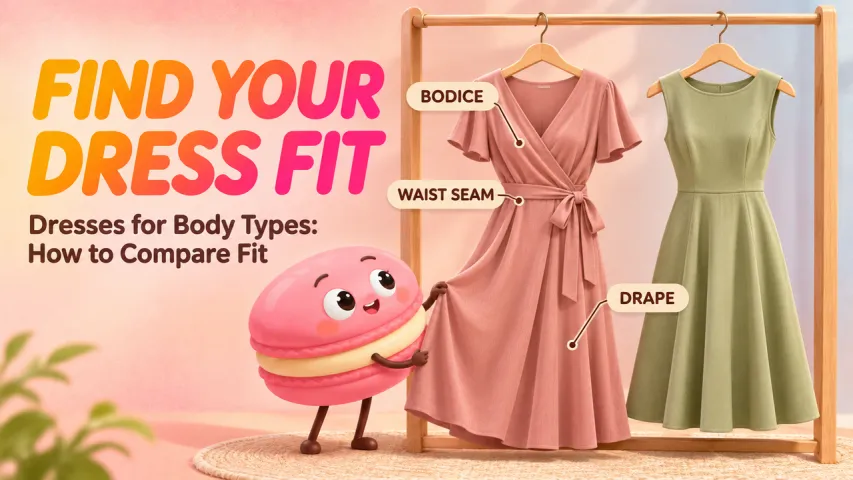
For everyday dresses, use the separate dress fit comparison guide. Guest attire belongs in the wedding dress codes guide.

How Do Common Bridal Silhouettes Feel in Motion?
Their movement depends on the actual cut, fabric, lining, and fit. Silhouette names describe an outline; they do not establish how a particular gown will feel on you.
David’s Bridal’s bridal silhouette descriptions distinguish where skirts widen and how closely they follow the body. Use those construction differences to choose candidates, rather than treating the accompanying body-shape suggestions as requirements.

A-Line and Ball Gown
Compare these if you enjoy a skirt that widens from the waist. A-line and ball-gown labels cover different fabrics and internal layers, so neither guarantees a light or easy-to-manage skirt.
Ask the stylist to help arrange the hem, then sit in a suitable chair and turn comfortably. Notice whether the bodice stays comfortable and how much assistance you want for the skirt. Consider aisle width and transport as well as the fitting-room floor.
Sheath, Mermaid, and Trumpet
Compare these if you like fabric following the body more closely. Check the narrowest part of the skirt during walking and sitting, including the lining.
Mermaid, trumpet, and fit-and-flare terminology can overlap between brands. Ask where the specific gown begins to widen. An earlier flare is a feature worth comparing, not proof that you will have enough stride or seated room.
Which Bodice and Waist Details Change the Fit?
The bodice’s internal structure, cup shape, straps, closure, and waist position can change support and comfort independently of the skirt silhouette. Ask the stylist to identify what is built into each candidate.
Visible boning or molded cups do not tell you whether the gown supplies the support you want. Check how it feels when you sit, reach comfortably, and move your arms. Underlayers may change the fit; they are not a requirement to make your body acceptable in the gown.
Locate the waist seam and any internal band. A raised or dropped waist is a design choice, but pressure or a bodice that shifts repeatedly needs attention. Ask which issue the proposed alteration would address, rather than accepting “we can make it fit” as a complete plan.

Compare Three Gowns With One Fitting Scorecard
Compare three candidates using the same movements and intended underlayers where practical. Record the sample size and any clips, panels, or temporary support used for each one.
For each row, use 0 for “does not meet my need,” 1 for “uncertain or needs a confirmed change,” and 2 for “works for me now.” Add a note. These are your preferences and observations, not objective quality ratings.
Do not total the scores. A favorite neckline should not cancel uncomfortable sitting, and a proposed alteration is not an observed improvement. If the sample fit prevents a useful movement check, record not assessable rather than guessing a score.
For example, you might prefer Gown A’s outline but be unable to test its bodice because the sample is too small. Gown B may feel comfortable while leaving you uncertain about its skirt volume. Those notes suggest different next steps: another sample for A, or another silhouette for B.

What Can Alterations Change After You Choose a Silhouette?
Alterations may refine an existing gown, but the feasible changes depend on its seams, internal structure, fabric, embellishment, and available material. Have the person responsible for alterations assess the actual design before you order around a promised change.
Ask for an itemized explanation covering:
- The exact fit issue and proposed work, including any added material.
- Effects on lace placement, beading, neckline, lining, or skirt proportions.
- Hem and train handling with the shoes you plan to wear.
- Separate charges, fitting appointments, completion date, and any rush conditions.
David’s Bridal’s alterations timeline guide connects fittings to the gown’s arrival. Get dates for your particular order and local service; a published general timeline is not a delivery commitment.
Confirm the style code, ordered size, color, lining, and approved customizations in writing. Made-to-order does not itself tell you whether a gown is being made to individual measurements. Ask how the order differs from the sample and who will handle later adjustments.
FAQ
Do bridal boutiques carry samples close to my size?
Some may, but the available samples vary by boutique and style. Ask about the specific gowns you want to try, not just the brand’s full ordering range. If a useful sample is unavailable, ask about loan samples or another appointment before paying any associated fee.
What if my sample gown cannot close at the appointment?
Tell the stylist and avoid forcing the closure. Ask what can reasonably be assessed with a temporary panel or other fitting aid. You may judge fabric and some design details, but support and movement can remain unresolved. Request another sample or clearly document those limits before ordering.
Can a made-to-order gown be returned if it differs from the sample?
Do not assume a return is available. Before paying, request the retailer’s written policy for your order and ask how it handles incorrect specifications or other differences. Keep the approved order details. If a discrepancy appears, photograph it and contact the retailer before authorizing alterations. Ask it to explain the proposed resolution in writing.
Will a removable overskirt affect bustle plans?
It can. Have the alterations specialist assess the base gown and overskirt separately, including which train remains after removal. Maggie Sottero’s bustle guide explains how bustle arrangements depend on the gown. Ask for a demonstration of the actual fastening and confirm who will help on the day.
Can I request an accessible fitting room or seated try-on?
Yes. Describe the setup you need before booking, such as step-free access, transfer space, seating, a support person, or privacy arrangements. Ask the specific location to confirm what it can provide and how gowns will be handled during a seated fitting. Do not rely on a general appointment description to answer those questions.
Conclusion
Leave the appointment with three identifiable gowns and clear notes about what you liked, what you could test, and what still needs confirmation.
The next step may be choosing a gown, trying a better-fitting sample, or getting an alteration assessment. Your preferred silhouette belongs in that decision alongside the way you want to move through the day.
Recommended Reads






応募する Macaron の最初の友達
Playbook を探索


