Best Foods for Skin Health: What Nutrition Can Do
Best Foods for Skin Health: What Nutrition Can Do

A bell pepper, some beans, and a piece of toast can do more for an ordinary lunch than a shopping basket full of expensive “glow” ingredients. The best foods for skin health help supply protein, essential fats, vitamins, and minerals as part of adequate eating. They cannot guarantee clear skin, erase aging, or replace sun protection.
These eight choices come with nutrient explanations, everyday uses, and allergy alternatives. They support meals rather than treat skin problems.
What Food Can and Cannot Change About Skin Health

Skin needs nutrients for its normal structure and function. Protein provides building materials, vitamin C participates in collagen production, and fats contribute to cell membranes. Meeting those needs is worthwhile, but identifying a nutrient's role does not prove that eating more of it improves visible skin.
For generally healthy adults without a deficiency, meeting nutrient needs through a balanced diet is a reasonable starting point. Supplements are a separate decision, particularly when a clinician identifies a deficiency or another specific need.
Skin appearance also reflects genetics, age, sun exposure, smoking, sleep, and other factors. Diet cannot reliably correct an unexplained rash, a changing mole, or persistent irritation. Those concerns need assessment rather than a longer food list.
This article covers general nutrition support. It does not offer acne, eczema, or other skin-disease treatment. A clinician or registered dietitian can help when a medical condition or a restrictive eating pattern makes your needs more specific.
How We Chose These Foods
These skin healthy foods offer nutrients and practical substitutions. They are meal ingredients, not ranked complexion treatments.
No trial establishes this exact menu as a skin treatment. Choose foods you tolerate and enjoy.

1. Fatty Fish — Protein and Omega-3 Fats
Salmon, sardines, and trout provide protein and marine omega-3 fats. These nutrients fit a varied diet; they should not be sold as a food-based answer to dryness, inflammation, or visible aging.
Use canned salmon in a sandwich, serve cooked fish with potatoes, or add sardines to a tomato-based meal. Frozen fish can be convenient.
For a fish allergy or plant-based diet, choose tofu or legumes for protein and walnuts, chia, or ground flax for plant omega-3 fats. ALA in plants differs from EPA and DHA in fish, and conversion is limited. Those alternatives support a varied eating pattern without being nutritionally identical.
2. Avocado — Unsaturated Fats and Vitamin E
Avocado contributes unsaturated fats and some vitamin E. Vitamin E has normal antioxidant functions, but that does not demonstrate wrinkle reversal or a special benefit from eating avocado every day.
Add slices to a bean bowl or spread some on toast beside an egg or tofu. Include protein; avocado need not dominate the meal.
If avocado is expensive or you dislike it, olive oil can serve as a meal's unsaturated fat, while tolerated nuts or seeds offer other vitamin E sources. These swaps fill particular meal roles. Avoid avocado if it causes an allergic reaction.
3. Walnuts and Seeds — Essential Fats in Small Portions
Walnuts, flax, chia, and sunflower seeds bring different combinations of fats and minerals. The body needs essential fatty acids from food, and the mix differs across these ingredients. “Seeds” are not a single nutrient profile.
Scatter a small amount over oats, stir ground flax into a breakfast bowl, or add sunflower seeds to a grain dish. Use portions that fit your appetite and the rest of the meal, rather than treating a large serving as a beauty dose.
A nut allergy may rule out walnuts while leaving some seeds suitable, but seeds can also cause allergies and shared equipment can matter. Check labels and individualized allergy advice. A tolerated vegetable oil can fill part of the fat role when nuts and seeds are unsuitable.
4. Bell Peppers — Vitamin C and Carotenoids
Bell peppers are a useful source of vitamin C, with carotenoids varying by color. Vitamin C helps the body make collagen. This is an established nutrient role, not proof that a pepper-rich lunch improves skin elasticity.
Raw pepper strips work with hummus, while cooked peppers fit omelets, rice dishes, or bean stews. Try a preparation you enjoy; forcing yourself to eat raw vegetables is unnecessary.
If peppers do not suit you, use citrus fruit, kiwi, or broccoli for vitamin C. A fruit beside the meal can work too; nutrient-number competitions are unnecessary.

5. Sweet Potatoes — Beta-Carotene From Whole Food
Orange-fleshed sweet potatoes supply beta-carotene, which can be converted to vitamin A. Vitamin A supports normal body functions, including growth and immune function. This does not turn sweet potatoes into an anti-aging treatment.
Bake one and add beans, tofu, or yogurt, or roast pieces alongside vegetables and a protein food. Its carbohydrate and energy contribution is part of its usefulness, especially when a meal would otherwise be little more than a salad.
Carrots and winter squash provide other ways to include beta-carotene. Concentrated vitamin A supplements are a separate exposure with different safety considerations; a whole-food meal is not a reason to add them. Avoid escalating supplements because a nutrient is described as good for skin.
6. Tomatoes — Lycopene in Everyday Meals
Tomatoes contain lycopene, a carotenoid often discussed in relation to skin research. Some studies examine tomato products under specific conditions. Those findings do not establish tomatoes as edible sunscreen or promise a visible result from a typical meal.
Use chopped tomatoes in a chickpea salad, canned tomatoes in soup, or sauce with pasta and lentils. Cooked and fresh forms both have practical uses. If a sauce is heavily salted or sweetened, judge the whole product rather than focusing only on lycopene.
Choose other vegetables when tomatoes cause symptoms or an allergy. No single carotenoid needs to dominate a diet for healthy skin. Choose a meal you comfortably enjoy.
7. Berries — Vitamin C and Plant Variety
Strawberries contribute vitamin C, and different berries add different plant compounds. Antioxidant activity measured in a laboratory cannot predict whether an individual will notice brighter skin after eating them.
Frozen berries can go into oats, yogurt, or a smoothie alongside other foods. A smoothie's full ingredients determine whether it makes a meal. Whole fruit works as a side.
Seasonal fruit, oranges, or kiwi are reasonable alternatives when berries are expensive. Sweetened dried berries and berry-flavored drinks differ from the original fruit, so read labels. Ordinary produce can fit your budget.
8. Broccoli — Vitamins and Minerals in One Vegetable
Broccoli contributes vitamin C and folate among other nutrients. Folate helps normal cell division; neither that role nor broccoli's wider nutrient profile proves that it clears blemishes or reverses sun damage.
Steam or roast broccoli and serve it with rice and tofu, or add it to pasta with beans. Frozen florets can reduce preparation time and make it easier to keep a vegetable available.
If texture or digestive tolerance is a barrier, try a smaller serving, another preparation, or another vegetable. Peppers can contribute vitamin C and leafy greens can contribute folate. Replacing broccoli is a practical adjustment, not a failure to follow a skin-health plan.
How to Turn the List Into Balanced Meals

Use the list to complete meals you already know. A protein food, a carbohydrate source, vegetables or fruit, and a tolerated fat can make the ideas easier to repeat.
For example, combine tofu, broccoli, rice, and an oil-based dressing; serve salmon with a sweet potato and peppers; or make a lentil-tomato pasta dish with fruit afterward. An avocado toast breakfast can include eggs or beans rather than relying on avocado alone.
Choose two or three ingredients for the next shopping trip instead of buying the entire list. Keep one convenient vegetable and one dependable protein available. Allergies, a prescribed diet, or ongoing digestive symptoms should guide substitutions with professional help when needed.
Macaron note: Meal and preference records can organize tolerated foods, useful substitutions, and dishes you would repeat. Macaron cannot diagnose skin changes, assess nutrient deficiency, or select treatment.
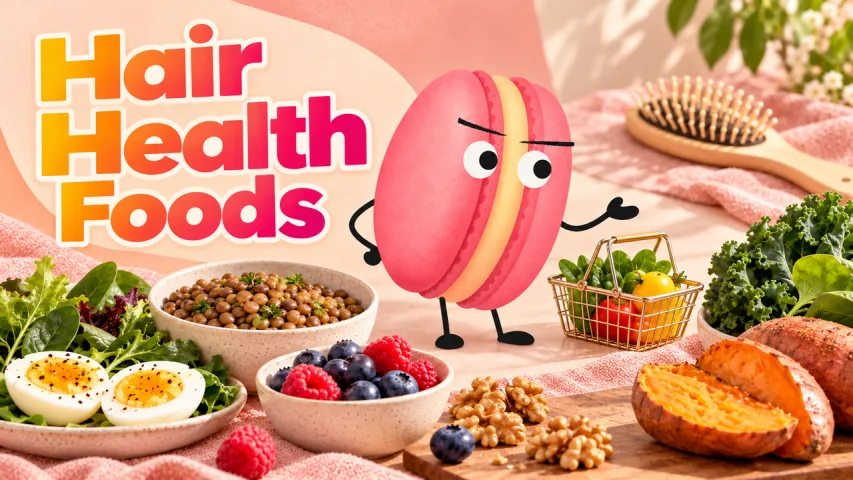
For the separate discussion about nutrition and hair, see best foods for hair growth.
FAQ
Do smoking and alcohol affect skin health differently from food choices?
Yes. Smoking can impair skin blood flow and damage collagen and elastin. Heavy alcohol use can contribute to dehydration and other health problems. Adding produce does not cancel those exposures. Support for stopping smoking or reducing alcohol can address risks a food list cannot.
Does drinking more water visibly change skin hydration?
Correcting inadequate fluid intake matters, but extra water does not reliably solve dry skin or produce a visible glow. Evidence on additional water and skin hydration is limited. Hydration and skin care serve different needs; persistent dryness may require moisturizer, changes in skin care, or medical assessment.
Are collagen powders supported like whole-food nutrition?
They are a separate question. Some trials report benefits, but products, methods, and study quality vary. A 2025 systematic review found results differed by funding source and study quality. Collagen powder is not required to eat well, and findings about supplements do not prove effects for these eight foods.
Does cooking or freezing change nutrients linked to skin health?
Yes, depending on the food, nutrient, storage, and method. Prolonged cooking can reduce vitamin C, while processing can change the availability of some carotenoids. Frozen vegetables remain practical choices. Mix preparation methods you enjoy rather than insisting every vegetable must be raw to be useful.
Why does sunscreen still matter when eating a nutrient-rich diet?
Food does not provide reliable protection against ultraviolet exposure. Use shade and protective clothing, and choose broad-spectrum, water-resistant sunscreen with SPF 30 or higher. Follow its directions and reapply as needed. A nutrient-rich meal cannot replace those measures.
Conclusion
The best foods for skin health belong in meals that meet your wider needs. Keep the protein, produce, and fat choices flexible, and let affordability and tolerance shape the list. Your next useful change may be a more complete lunch; sun protection and concerning skin symptoms need attention of their own.











Bewerben, um zu werden Macarons erste Freunde
Lesen & entdecken
Persönlicher KI-Assistent
Kostenlose Rechner


