Tomatoes and Weight Loss: Low-Calorie Does Not Mean Enough
Tomatoes and Weight Loss: Low-Calorie Does Not Mean Enough
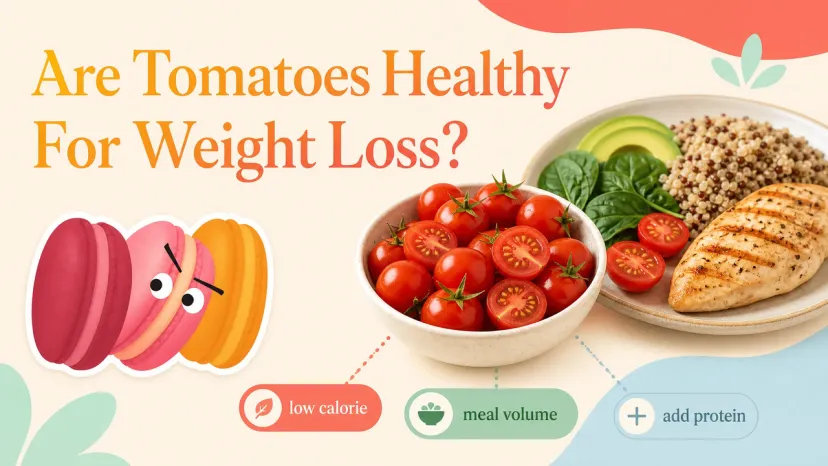
A large bowl of cherry tomatoes can look like a lot of food. It can still be a side. Are tomatoes healthy for weight loss? Tomatoes can fit into a weight-loss routine, but being low in calories does not make them a complete meal or guarantee satisfaction. Their role depends on the rest of the meal and whether the pattern works in real life. Maren keeps “looked abundant” and “felt like enough” as separate observations. Visual volume does not answer whether this was a snack, add-on, or meal. This is general educational context, not an individualized weight-loss or nutrition plan.
Low Calorie Does Not Mean Complete
Low-calorie language can become a priority system: choose the smallest number, create more volume, and assume the meal is solved. Tomatoes expose the weakness in that logic. They add freshness, water, and volume without automatically completing a meal. The linked USDA FoodData Central record is specifically for canned tomato sauce with salt added—not raw slices, cherry tomatoes, juice, paste, or sun-dried tomatoes. One generic tomato entry should not cover every form. When detail matters, use the record or package label that matches the form you actually ate. For ordinary slices or cherry tomatoes, a rough note may be enough.
Why tomatoes alone may not keep you full
Tomatoes alone may work as a light snack for some people and leave others hungry. That is not a discipline problem. Hunger also depends on amount, timing, activity, preference, and what else was eaten.
Two ideas need to stay separate. Water-rich foods can add physical volume, while dietary fiber adds bulk; the MedlinePlus fiber overview explains that fiber can help people feel full faster. That is a general mechanism, not a promise that one tomato snack will satisfy every person. The form and amount matter, as does whether the rest of the eating occasion includes other fiber sources, protein-containing foods, grains, fats, or simply enough food for that moment.
Instead of asking whether tomatoes should be filling, ask what job they were given:
Add-on: slices in a sandwich or tomatoes stirred into a dish
Side: cherry tomatoes beside another snack or meal
Base: tomatoes forming much of a salad, soup, or sauce
Standalone snack: tomatoes eaten by themselves between meals
If tomatoes were only an add-on, do not judge them for failing to behave like lunch. If they were intended to be the whole snack, notice whether that setup genuinely worked for you.
Snack vs Meal Context
The same tomatoes can belong to different occasions. Cherry tomatoes at a desk are not equivalent to a sandwich with tomato, cheese, and bread, or tomatoes in a grain bowl. The useful tracking unit is often the snack or meal, not the tomato.
Cherry tomatoes, salads, sandwiches, and sides
When a cherry-tomato container stays open, use a repeat bowl, packed container, or “some while cooking” note if needed. Do not count each tomato.
For salads, record what made them function as meals: dressing, protein-containing foods, grains, bread, cheese, avocado, nuts, or other substantial additions. Volume alone does not show satisfaction.
In a sandwich, tomatoes are usually an ingredient rather than a separate snack. Log the sandwich pattern. The same applies to tacos, pasta, curry, soup, eggs, and mixed bowls. When tomatoes appear as a side, note them only if the side is useful to remember.
Meals prepared by someone else do not require a tomato investigation. “Cafe sandwich with tomato” or “restaurant salad with cherry tomatoes” is usually enough. Estimate the larger meal rather than trying to recover every slice.
Volume Can Help, But It Is Not the Whole Answer
Meal volume can make a plate look and feel more substantial. Tomatoes add space, texture, and contrast. The mistake is treating volume as the only measure of adequacy. CDC weight guidance explains the energy-density mechanism: water and fiber in fruits and vegetables can add volume with fewer calories when they replace some higher-calorie ingredients. That does not mean adding tomatoes to any meal automatically causes weight loss, and it does not show that tomatoes alone are enough.
The Harvard Healthy Eating Plate offers one general model that places vegetables within a broader meal containing protein foods, whole grains, and healthy oils. The source also states that its visual proportions are not prescribed calorie or serving amounts. In practice, the relevant lesson here is not to copy a fixed plate. It is to avoid asking tomatoes to perform every role by themselves.
Pairing low-calorie foods with satisfying meals
Use a Two-Note Check instead of a low-calorie score. This is an editorial reflection prompt, not a validated clinical assessment or weight-loss intervention. It separates two observations without prescribing what or how much anyone should eat:
Volume note: What did the tomatoes add: freshness, crunch, sauce, a side, or more visible food?
Completeness note: What else made the eating occasion feel like a snack or meal? Examples:
cherry tomatoes plus a dip or another preferred snack
tomato salad plus bread, beans, eggs, fish, chicken, cheese, tofu, or a grain
tomato slices inside a sandwich rather than beside an intentionally tiny lunch
tomatoes in pasta, rice, soup, or a bowl where the full dish is the tracking unit
These are examples, not required pairings. Appetite, culture, allergies, access, and preference can change what a complete meal looks like. The aim is to notice whether low-calorie foods support the meal or are being used to make the meal smaller than you actually need.
Keep Tracking Simple
Tomatoes often do not need a dedicated entry. If the amount is small and changing it would not alter your understanding of the meal, include it in the meal name and move on.
A useful note might be “eggs on toast with tomatoes” or “salad with cherry tomatoes and dressing.” This keeps the food visible without calculating every ingredient.
When rough notes are enough
Use a rough note when tomatoes are an add-on, the meal was prepared by someone else, the form is uncertain, or more detail would not affect a decision. Use a specific label or database entry when a concentrated product such as paste, sauce, sun-dried tomatoes, or a packaged tomato snack materially changes the estimate. The broader low-stress food tracking guide is the better place for decisions about when to use numbers, context notes, or no tracking at all. Tracking should help you understand meals, not train you to choose the lowest-calorie option every time. If your notes repeatedly make normal meals feel forbidden, or if you remove foods mainly to keep the number smaller, stop and review what the tracking is doing. The NIMH eating-disorders resource lists severe restriction of food types or amounts among the signs that can occur in an eating disorder. That does not diagnose any reader. It supports a clear boundary: food avoidance, escalating restriction, intense fear, or compensatory behavior deserves qualified professional support, not a stricter tomato log.
FAQ
What if I use tomatoes mostly as an add-on, not a main food?
If you are comparing two otherwise similar meals for a specific reason, use a short tag such as “+ tomato side” and keep the rest of the meal name consistent. Treat the note as an observation, not proof that the tomato caused a change in hunger or satisfaction. If no real decision depends on the detail, do not create a separate entry.
What if tomatoes show up in meals I did not prepare myself?
Use a menu description or package label when one is available. If the form or amount is unclear, mark the uncertainty instead of guessing a recipe: “tomato-based sauce, amount unknown” is a complete note. Revisit the detail only if it would materially change the question you are trying to answer.
What if choosing low-calorie foods makes my meals feel less flexible?
Remove calorie rank from the next comparison and record one non-number factor instead—taste, satisfaction, convenience, culture, access, or what the meal still needs. If even that comparison turns into another rigid rule, stop the comparison rather than replacing one food rule with a new one.
What if my food notes make me avoid meals that used to feel normal?
Pause the notes and tell a physician, registered dietitian, or qualified mental-health professional what changed: which meals you now avoid, what you fear will happen, and whether restriction or compensatory behavior is increasing. Do not use this article, an app, or a streak to decide whether the pattern is “serious enough” for support.