How to Learn Guitar for Beginners: A Simple Roadmap
How to Learn Guitar for Beginners: A Simple Roadmap

If you are wondering how to learn guitar for beginners, start with a comfortable instrument, learn to tune it, and make a few clean single notes. Then introduce simple chords, a steady pulse, and short musical passages that bring those skills together.
You do not need to understand everything before touching the strings. You need a manageable next action and a way to notice what needs attention. The four-week roadmap below offers four adjustable stages, with room to repeat any stage. It is a starting sequence for complete beginners, not a deadline for playing a song or reaching proficiency.
Choose a Guitar and Set Up a Comfortable Start
Choose acoustic or electric according to the music you enjoy, what you can access, and what feels comfortable to hold. Try the instrument seated: can you reach the neck without lifting your shoulder or twisting awkwardly? A shop or teacher can help check fit and setup.
Use a stable chair, a tuner, and the basic accessories your instrument needs. An electric setup may need an amplifier and cable; extra effects can wait. Keep the guitar somewhere accessible and safely supported between sessions.
The illustration shows a comfortable starting context. Its small planning card is conceptual, not a product screen or a posture prescription.

Learn the Skills in an Order That Makes Sense
Foundations work together. Berklee Guitar Fundamentals combines posture and technique, fretboard knowledge, reading, rhythm, chords, and musical application. That illustrates how connected the skills are; you do not need to enroll or study its whole syllabus to begin.
Posture, Tuning, and Clean Single Notes
Support the instrument so your hands can move without gripping it into place. Keep your shoulders easy and pause when you notice unnecessary tension.
Tune before playing. Learn which tuning peg belongs to each string, following your tuner's instructions. Then pluck one string at a time and try a fretted note, placing a fingertip just behind a fret. Listen for a clear sound. Change one thing at a time instead of pressing harder automatically.
First Chords and Steady Rhythm
Start with a very small set of chord shapes from a reliable beginner lesson. Check the intended strings individually, then strum gently. A chord that sounds uneven gives you something specific to investigate.
Add a slow, even pulse. Count aloud or use a metronome at a pace you can follow comfortably. Learning how to play guitar includes keeping time while your fingers are still finding their places.
Simple Songs That Combine the Basics
Choose a short beginner arrangement from an authorized lesson, or make an original passage with the notes and chords you know. Keep the rhythm simple enough to hear whether the sounds connect.
You can learn how to play guitar through small pieces of music without tackling a complete song immediately. If a passage keeps breaking at one change, simplify that change before adding more material.

Follow a Four-Week Beginner Roadmap
Use this Four-Week Skill Ladder to organize attention. Week numbers name stages, not guaranteed completion dates.
- Week 1 — Set up, tune, and sound clear notes. Goal: become familiar with the instrument. Evidence check: identify the string you are tuning and produce a deliberate single note. Repeat this stage if setup or tuning still feels confusing.
- Week 2 — Introduce first chords and a steady pulse. Goal: form a small chord set and play evenly. Evidence check: hear the intended strings and follow a comfortable beat. Repeat while either task needs more attention.
- Week 3 — Connect changes and short rhythm patterns. Goal: move deliberately between familiar shapes. Evidence check: notice where a change interrupts the pulse, then try it more slowly. Repeat rather than chasing speed.
- Week 4 — Assemble and reflect. Goal: connect familiar material into a simple musical passage. Evidence check: identify one part that holds together and one that needs work. Repeat the relevant stage for another week, or longer.
Fender's first-steps guide also puts instrument choice, basic equipment, and tuning before playing. The excerpt below identifies that resource; the four-week ladder is this article's suggested organization, not Fender's curriculum.

Build Practice Sessions You Can Repeat
When deciding how to start learning guitar around a busy week, use one repeatable loop:
- Tune: establish the sound you are working from.
- One narrow skill: choose a note, chord sound, or change that needs attention.
- Musical use: put that skill into a short passage.
- One note for next time: record the specific place to resume.
Let session length fit your attention and available time. Stop before fatigue makes your movements careless. After a missed session, return to the recorded next action; there is no need to squeeze two sessions into one.
Use Feedback Before Small Errors Become Habits
Separate observable checks from taste. A tuner checks pitch; a metronome supplies a pulse. Neither explains why your wrist feels tense. A recording you review, perhaps with a trusted teacher, can reveal pauses or unwanted string noise. Whether you prefer a brighter sound is a different question.
Ask a focused question: “Why does this string stop ringing?” is easier to act on than “Am I bad at guitar?”
Do not practice through persistent pain, numbness, or tingling. Seek an appropriate medical professional for symptoms or an existing injury, and a qualified teacher for instrument positioning. Johns Hopkins describes specialized performing-artist injury care; its individual case history is not a treatment plan to copy.
Let a Personal AI Adjust the Plan Around Real Life
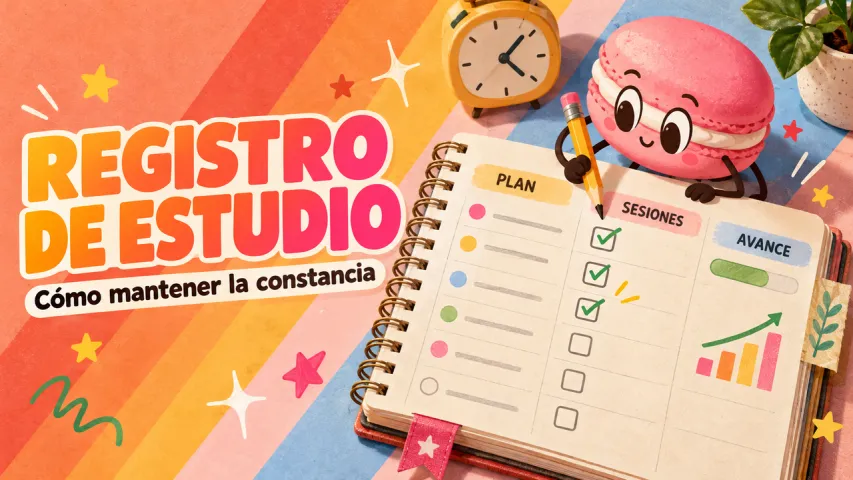
A personal AI can serve as a planning aid using details you choose to provide. Macaron is one neutral planning/logging example. Keep the record practical: instrument, available days, current stage, song goal, friction, and next action.
For example: “Acoustic guitar; Tuesday and Saturday available; stage two; goal is a simple accompaniment; missed Tuesday; repeat the current chord change.” Ask for a smaller plan, then decide whether it fits.
Check how the service handles privacy, correction, and deletion before storing personal details. Keep your own brief record if needed. The illustration is a conceptual planning flow, not verified Macaron controls. Musical assessment and technique questions still need suitable feedback.

Know When a Teacher Could Save You Time
A teacher may help when posture remains confusing, unwanted tension keeps returning, or you cannot identify the cause of a sound. Accessibility adaptations and a stalled practice pattern are other useful reasons to ask for help.
Bring one specific difficulty and your current goal. Ask the teacher to watch the relevant movement and explain one next step you can repeat independently. You can decide how much ongoing instruction suits you.
FAQ
Do guitar course trials include live instructor feedback sessions?
Trial access and live feedback are separate features. Inclusion is unknown unless the exact provider confirms it. Read its current trial page, lesson format, and booking terms. FTC trial guidance also recommends checking later charges and cancellation terms; it cannot establish whether teaching sessions are included.
Can children use the same beginner roadmap as adults?
The broad sequence can apply, but delivery should reflect instrument size, attention, motor development, and supervision. Consult an age-appropriate teacher and manufacturer sizing guidance. A parent or guardian should also check safeguarding arrangements for online interaction. Avoid treating an adult plan as a child's required pace.
Are beginner lesson videos available with captions and transcripts?
Availability is unknown without checking the provider and individual lesson. W3C caption guidance explains that captions synchronize speech, relevant speaker identification, and meaningful sounds with video. Inspect actual playback controls and accessibility documentation before paying; a separate transcript may not be provided.
What happens to lesson progress after a subscription ends?
Retention and restoration are service-specific and unknown if undocumented. Before canceling, check the provider's account, retention, and re-subscription help. Keep your own learning notes, but do not assume course content can be downloaded or that returning will restore progress.
Can online guitar courses be shared with family members?
Permission is unknown until the provider's license and household or profile rules confirm it. Check whether separate learners and progress records are supported. Do not share credentials or assume one purchase covers everyone. These are general account-policy checks, not legal advice.
Conclusion
The question of how to learn to play guitar becomes easier when the next step is clear: get comfortable, tune, build a few reliable sounds, and connect them in music. Let evidence guide the pace. Repeating a stage gives you room to understand it before moving on.
Previous Posts
Beginner Weight Training Routine: Start Your First Sessions
Fitness Goals That Fit Real Life










Apply to become Macaron's first friends
Read & discover
AI Personal Assistant
Free calculators


