How to Learn a New Language: A Routine That Sticks
How to Learn a New Language: A Routine That Sticks

If you are an adult beginner wondering how to learn a new language, start with one useful situation and a routine you can repeat. Combine listening you can mostly follow, small speaking attempts, accessible reading with short writing, and recall in later sessions. Choose a small set of resources, fit those activities around your actual week, and leave yourself an easy way back after interruptions.
Progress speed varies across learners, languages, and circumstances. Your first goal is a manageable communication task, such as exchanging a few messages with a relative. You do not need to solve the whole language before beginning.
Start With a Reason You Will Still Care About Later
“Learn Italian” names a subject. “Ask my partner’s relatives about their weekend” gives you a person, a situation, and something to say. Other reasons might involve travel, work conversations, or understanding stories you enjoy. Choose something ordinary enough to revisit. Complete this sentence: “I want to use this language to ___ with ___ when ___.” Then shrink it to a first exchange: greeting someone, asking one question, and understanding a likely response. The CAL adult-learning principles, written for adult English education, emphasize learners’ real-life needs, integrated communication skills, and appropriately challenging input. Those principles offer a useful starting point for planning your own practice.

Build the Four Parts of a Balanced Language Routine
Use this four-part loop across the week: listen, speak, read and write, then retrieve later. Reading and writing share a planning block here; both need attention. Balance does not require equal time or every activity every day. The Council of Europe’s CEFR descriptors describe different communication activities and abilities. Use that distinction to notice specific strengths and gaps; a descriptor is not a personal progress guarantee.
Listening You Can Mostly Follow
Choose a short beginner dialogue with a transcript or helpful pictures. Listen first for the situation and main message. Then check the transcript, resolve a few important gaps, and listen again.
If almost everything remains opaque, choose easier material or a shorter excerpt. You need enough meaning to work with. An interesting recording can stay in your leisure listening without becoming your main study resource.
Speaking Before You Feel Fully Ready
Start with a small response: introduce yourself, answer a familiar question, or describe something nearby. Rehearse alone if that lowers the barrier, then try an exchange with a willing partner or teacher.
Learn repair phrases in your target language for asking someone to repeat, slow down, or explain a word. Request feedback on one feature at a time. The immediate task is to communicate something and understand the response, even with pauses.
Reading and Writing at the Right Level
Read a short message, supported dialogue, or beginner story that connects to your chosen situation. Look up words that block meaning instead of collecting every unfamiliar item.
Write a small response using what you read: change a detail, answer a question, or draft a message. Compare it with a reliable model or ask for feedback. Keep useful corrections together so the next attempt has somewhere to begin.
Review That Brings Words Back at Useful Times
Hide a useful phrase and try to recall it from a meaning or situation cue before checking. Bring it back in a later session, then try using it in a different sentence. In a vocabulary retrieval study, recalling foreign-language object names with feedback outperformed repeating the names on the studied vocabulary tests. That supports a specific practice choice; it does not establish a complete route to conversational ability. The IES study guidance also recommends spacing learning and active retrieval across educational subjects. Among language study methods, review earns its place alongside communication practice. Keep the review pile small enough that you still have room to listen and respond.

Choose Resources Without Collecting Too Many
Give each resource a job: one dependable input source, one place to practise output, and one review system. Add a dictionary or grammar reference when needed. One course may cover several jobs; you do not need a separate app for each.
Before adding anything, name the gap it would fill. Perhaps your current material lacks audio, explanations are unclear, or you have no opportunity to respond. If you are researching how to learn a foreign language more often than using it, close the comparison tabs and complete one activity with your existing materials.
Turn Weekly Goals Into Small Daily Sessions
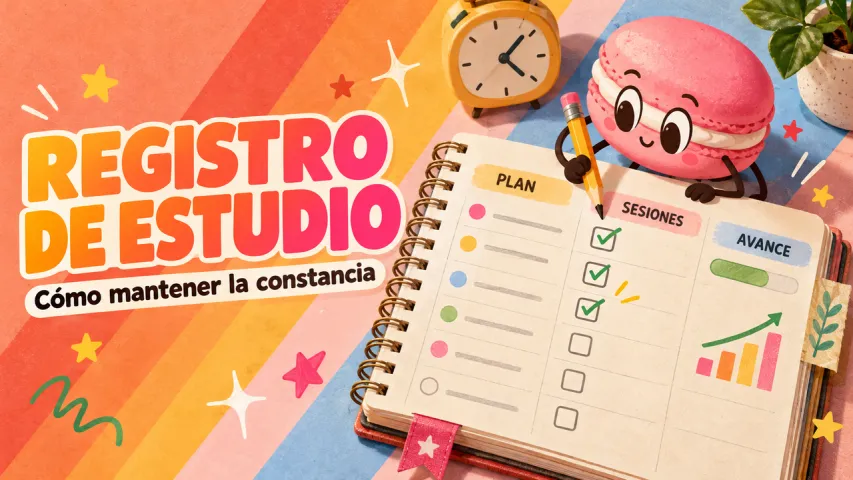
Build a Minimum Viable Language Week around one meaningful use, four practice modes, a small resource ceiling, flexible session blocks, and a restart rule. This adjustable example uses arranging a coffee meeting:
- Useful outcome: propose a meeting place and understand a simple reply.
- Resource ceiling: one beginner course, one willing conversation partner, one notebook for review; a dictionary when needed.
- Listening block: hear a meeting dialogue and identify the proposed place.
- Speaking block: suggest a place and respond to an alternative.
- Reading/writing block: read a short invitation and draft your reply.
- Later recall block: retrieve useful phrases before checking the model.
- Restart rule: after a missed session, return to one familiar phrase and the next small action.
Place these blocks in openings you can realistically use. Combine two when convenient, or split a demanding block into smaller attempts. Beside each, write the material to open and the action that ends the session. This is a practical answer to how to study a language effectively when your days differ.
At week’s end, note what you managed, what required help, and what deserves another attempt. NCSSFL and ACTFL’s Can-Do guidance supports goal-setting and self-monitoring through consistent performance over time, rather than checking off a task after one success. The page below identifies that resource. Its Can-Do materials are restricted to educational and nonprofit use; do not assume permission for commercial reuse.

Use a Personal AI to Keep the Routine Flexible
A possible planning workflow is to give a personal AI only the goal, available time, preferences, and reflection notes you choose to share. Ask it to turn your existing activities into smaller session options, then check the suggestions yourself.
If you use Macaron, keep its role focused on this life-first planning context. Check current controls before relying on saved information: can you inspect and correct notes, delete them, and understand the applicable privacy settings? Keep a separate copy of the plan when needed. This workflow does not establish teaching, assessment, reminder, or automatic access capabilities. The illustrated phone screens in this article are editorial concepts.
Recover After Missed Days Without Starting Over
Use a resume / reduce / replace check:
- Resume the next small action when the interruption was temporary.
- Reduce the scope when your available attention has changed.
- Replace the particular resource or session format that repeatedly fails.
A crowded week might turn a full dialogue into one question and response. Leave a note naming the next action so reopening the material takes less effort. Learning how to actually learn a language includes making return possible without a catch-up debt or a restart from day one.

FAQ
Can I learn two new languages at the same time?
Yes, but managing two sets of material adds complexity and can invite mix-ups. Use separate resources, notes, or contexts. When capacity is limited, give one language a clear priority rather than assuming both need the same allocation.
Should I change resources when early progress feels slow?
Check level, explanation quality, opportunities to respond, feedback, and whether you have used the material consistently. Slow progress alone does not identify a mismatch. Switch when you can name what is missing and how the replacement addresses it.
How can families support a shared language learning goal?
Choose an opt-in activity, such as exchanging brief messages or discussing a short story. Keep individual progress notes and let each person set their pace. Ask before correcting someone; avoid public comparisons. Check current account rules before sharing a subscription.
Do language learning subscriptions keep progress after cancellation?
It depends on the service. Before cancelling, check its current official terms and account help for retained records, access after billing ends, and any separate deletion process. If retention is not disclosed, treat it as unknown and ask support.
Can I export vocabulary lists before leaving an app?
Check current export or download controls, supported formats, and licensing restrictions. Export availability is unknown until confirmed for your app. Save only permitted personal data, open the downloaded file to check it, and avoid copying protected course content. This is general information, not legal advice.
Conclusion
Learning how to learn a language begins with a useful reason and a week you can actually live with. Keep communication practice varied, resources limited, and the next action clear. When life changes, adjust the routine so there is something manageable to return to.
Previous Posts
Language Learning Goals That Fit Real Life
Weekly Outfit Planner: Build a Simple Routine









Apply to become Macaron's first friends
Read & discover
AI Personal Assistant
Free calculators


