Shoulder Length Layered Hair With Bangs
Shoulder length layered hair with bangs has several edges to coordinate. Decide whether you want the fringe, face-framing pieces or shoulder-length outline to draw attention first.
Connect the Fringe, Layers and Perimeter
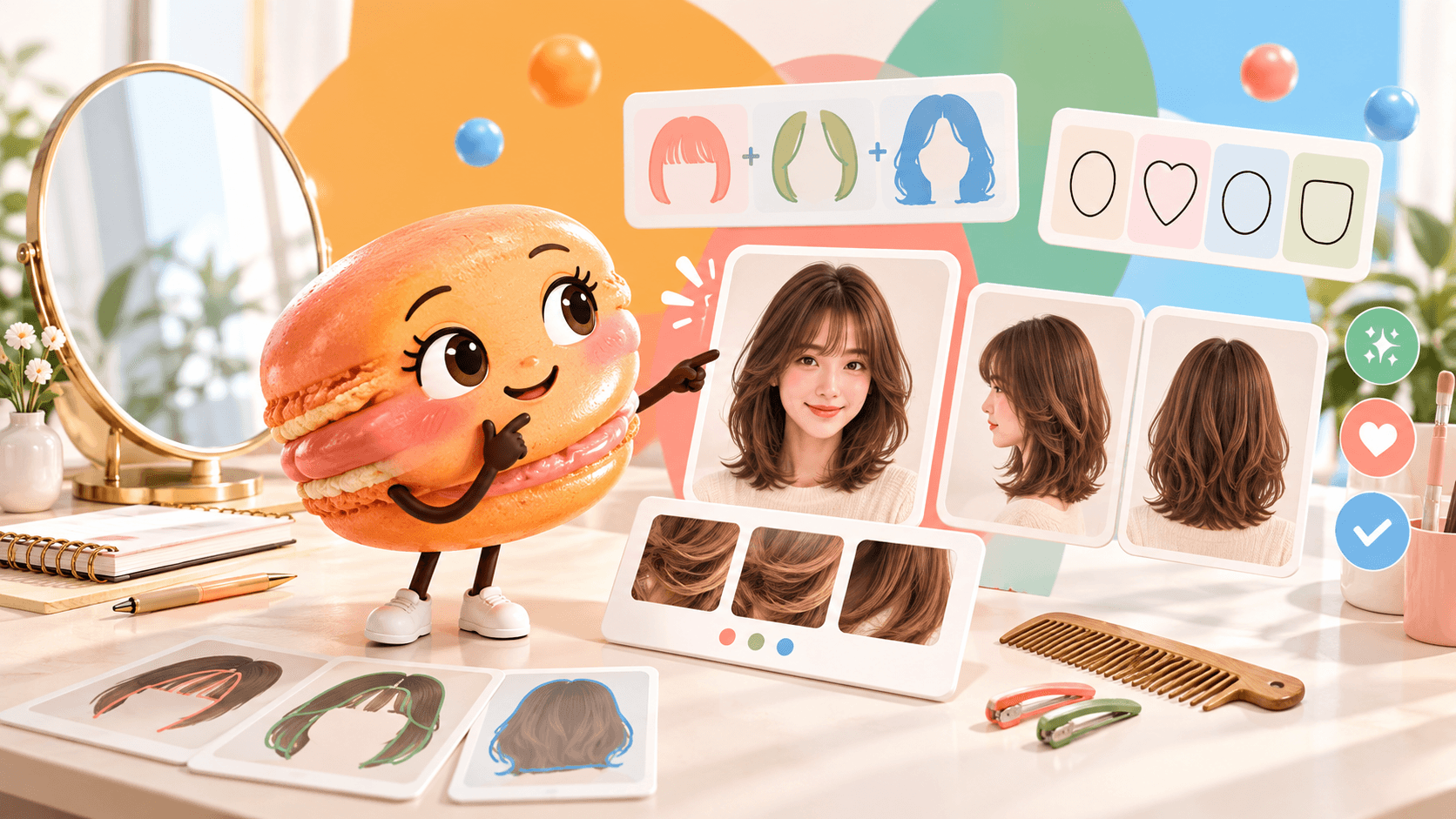
Connect the Fringe, Layers and Perimeter
Follow the shape from the shortest fringe point to the first side layer and the longest ends. Pronounced length changes create visible separation; softer transitions look more continuous. Use similar-length references so a shorter perimeter does not confuse the comparison. Macaron's personal AI can organize those layer-connection notes with your preferred finish and tie-back needs. If overall length remains undecided, start with the layers-and-bangs length comparison.
Style the Front and Lengths Separately
Try this sequence with your familiar products:
Key points:
- Set the damp fringe in its intended direction.
- Separate the longer sections and choose where you want the ends to turn.
- Let the shape settle before deciding whether the crown needs more lift.
- Adjust one section at a time so you can see what changes.
For example, keep the fringe smoother and leave more separation in the lower layers. Follow your tools' directions and stop at a finish you can comfortably repeat.
More About Shoulder Length Layered Hair With Bangs
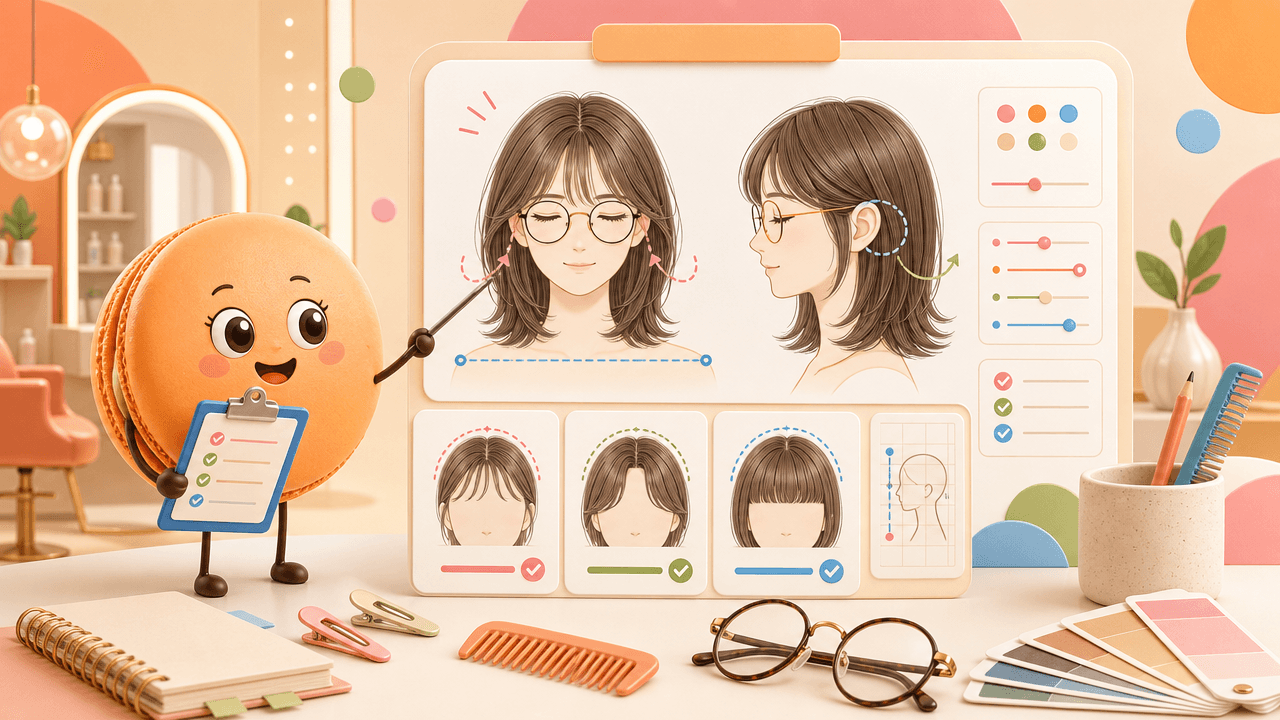
A Salon Brief You Can Use
Keep the longest ends at my shoulders. I want a light fringe that clears my glasses and layers that still tuck behind my ears. Show me where the shortest side pieces would fall. Take this kind of note with a front and side reference. The stylist can assess the sectioning and cutting details. For a lighter front, compare long wispy fringe lengths. If you are browsing fringe options for an oval face, this three-shape bangs comparison separates wispy, curtain and fuller edges without ranking them by face shape. After wearing the cut, note whether the shortest side pieces tuck as intended. Keep that detail for any follow-up.
Frequently Asked Questions
They can connect gradually or look more separate. Ask to compare both transitions before deciding.
Name the style you need, such as a ponytail or clipped twist. The shortest sections matter as much as the overall length.
Point to the movement you like in one reference. Ask the stylist to explain which length changes create it.
They may need different handling to achieve your preferred finish. Ask for a routine that fits the tools and time you actually use.
Read & discover
Explore Playbooks
AI Personal Assistant
Free calculators


