Career Interest Reflection Tool
Use this short reflection to find career themes worth researching. It does not measure aptitude, diagnose fit, or choose a career for you. Describe Reflection with real evidence, then put the next experiment under O*NET research. Macaron can retain that context while Small experiment keeps the next action visible. You can turn your leading interests into a research plan.
Use Interest Themes as Clues, Not a Career Verdict

Use Interest Themes as Clues, Not a Career Verdict
Interest themes are starting points. They do not measure skill, values, access, training cost, or the reality of a workplace. O*NET Interest Profiler at My Next Move offers an official interest-exploration reference. Use it to research Reflection, not to declare aptitude.
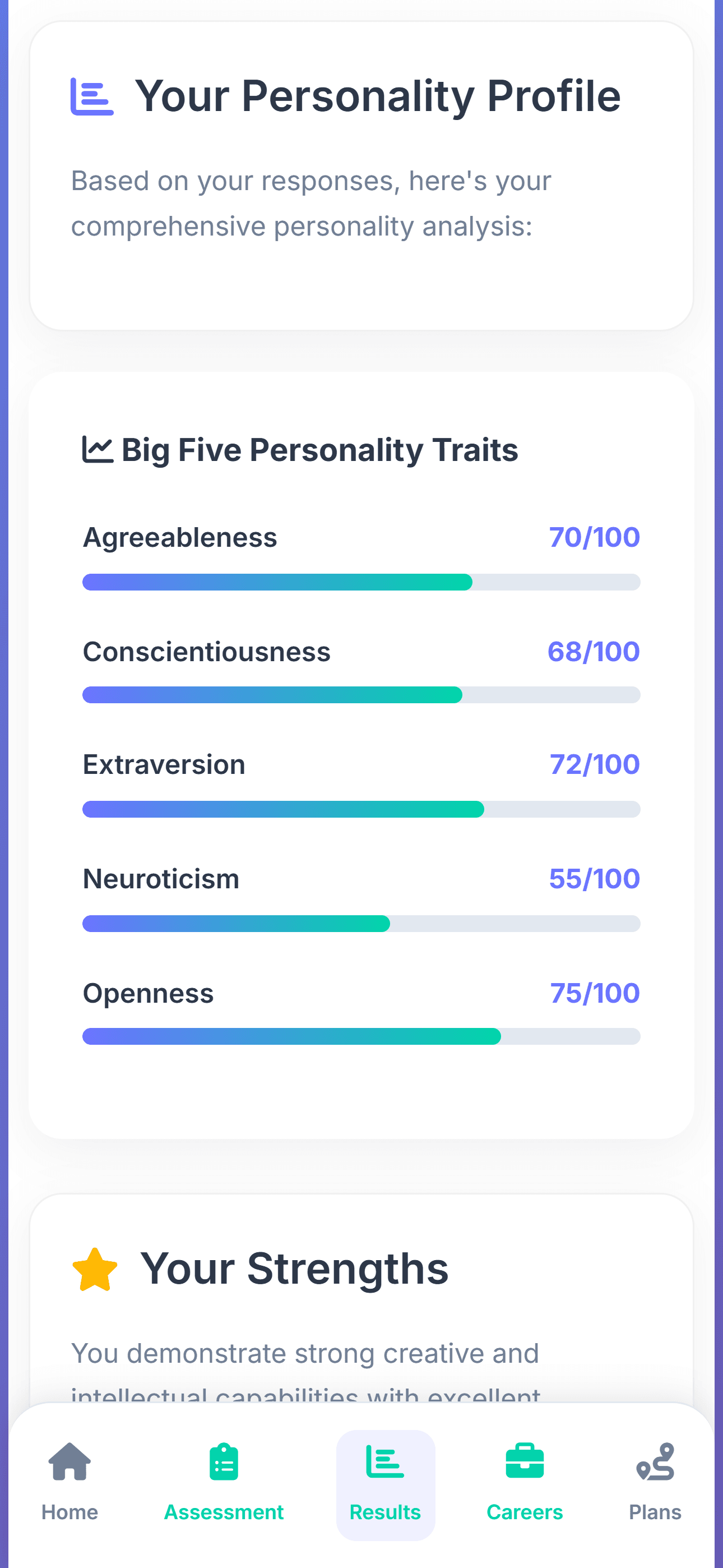
Reflect on Six Types of Work You May Enjoy
Rate six activity types from one to five. The result ranks themes for exploration, not ability. A useful opening request is: Key points:
- "Turn my top two interest themes into roles to research."
- "Give me three low-cost experiments for this career shortlist."
Ask for evidence before drafting: Begin with Reflection and work you actually did. Put constraints beside O*NET research, then let Macaron keep that context for a later revision. Use Small experiment for facts that still need research. Connect Reflection to a dated source, and turn Small experiment into one practical next action rather than a permanent verdict.
Image description: Career Navigator exploration screen
Interface reference from O*NET Interest Profiler at My Next Move
Check Real Roles With the O*NET Interest Profiler
Use the official O*NET Interest Profiler and occupation pages for structured research. Compare duties, training, and work settings. Key comparisons:
- Evidence or practice: Reflection; Role relevance: Activities you may enjoy; Next check: Not aptitude
- Evidence or practice: O*NET research; Role relevance: Duties and preparation; Next check: Not personal fit
- Evidence or practice: Small experiment; Role relevance: Direct experience; Next check: Limited sample
How to use the table: Connect Reflection to evidence, test its relevance through O*NET research, and turn Small experiment into a practical next step.
Turn Your Top Themes Into Small Career Experiments
Choose one small test for each leading theme: a short project, course sample, informational interview, or job-shadowing request. Example: A career changer uses two leading themes to compare three roles and schedules informational interviews before paying for training. Next, compare Reflection with O*NET research and save Small experiment with the changed input.
Related next steps
compare career paths, build a development plan, write a resume aim.
Frequently Asked Questions
No, this is a reflection tool for noticing career interests, not a test of talent, personality, or job fit. Write down real examples of activities, tasks, or topics that have held your attention, then use those patterns to decide which career areas deserve more research.
No, a high interest rating does not prove that you already have the skills required for a role. Treat the rating as a signal to investigate training, daily tasks, and entry requirements in O*NET or another reliable source before drawing conclusions.
You can use the O*NET Interest Profiler when you want a more structured way to explore work interests. After completing it, bring the themes back into Macaron and turn one promising area into a small experiment you can actually try.
No, the result cannot choose a career for you or guarantee that a path will be a good fit. Use it to narrow your research, compare real job activities, and plan one small experiment that gives you better evidence before making bigger decisions.
Read & discover
Explore Playbooks
AI Personal Assistant
Free calculators


