2nd interview questions
A second interview usually moves past basic fit. You may need deeper examples, sharper questions, and a better sense of what the team is testing.
Why the Second Interview Asks Different Questions Than the First
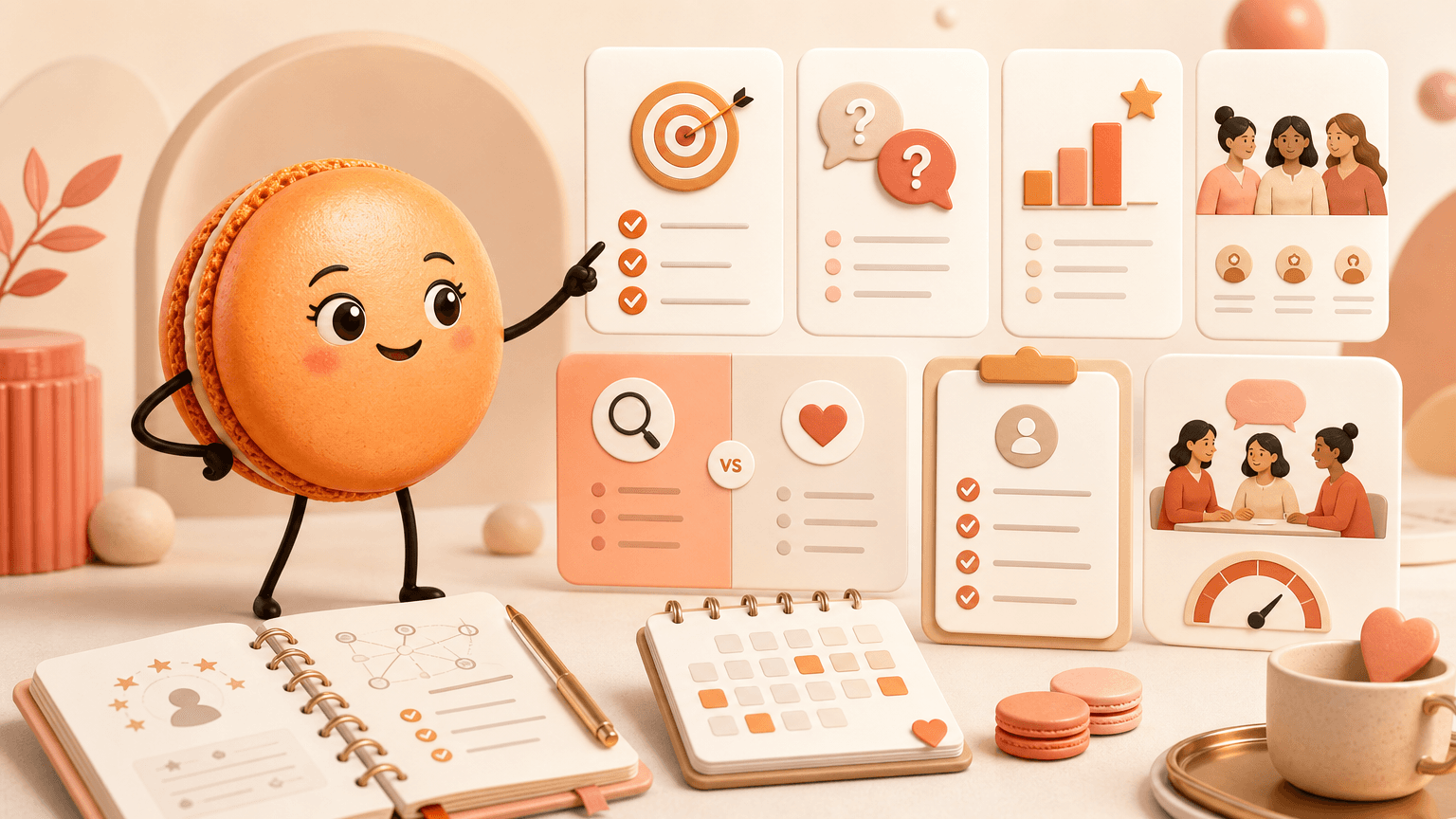
Why the Second Interview Asks Different Questions Than the First
Second rounds often test consistency, depth, team fit, and how you think through real work. Treat it as a different session, not a repeat of the first.
Macaron Helps You Prep for Deeper, Role-Specific Second-Round Questions
Try a prompt like: Help me practice 2nd interview questions for a customer success manager role. First round covered background; second round is with the hiring manager and team lead. Macaron can create deeper follow-ups and answer notes.
More About 2nd interview questions
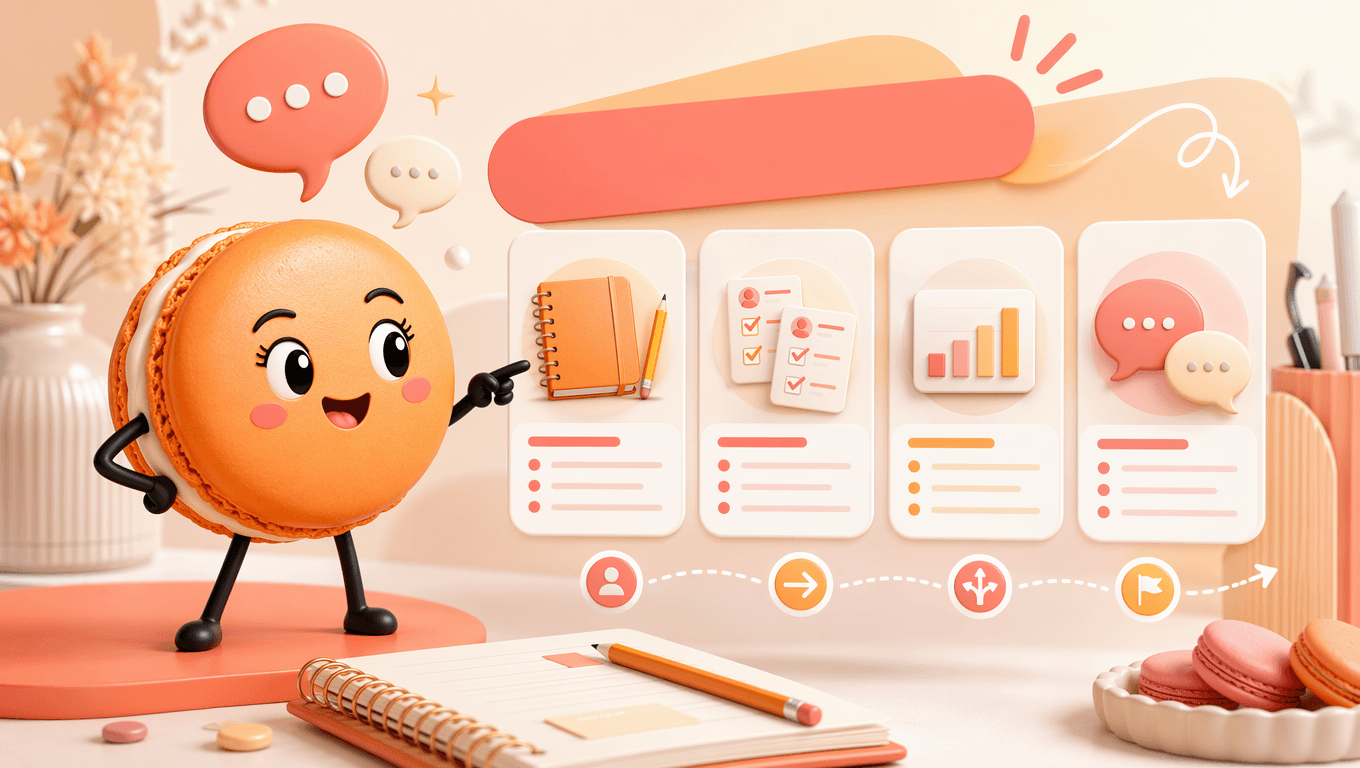
Questions to Ask in a Second Interview That Move the Conversation Forward
Second-round questions often ask for proof. Key areas to prepare:
- Role depth: bring specific examples with metrics and tradeoffs.
- Team fit: use collaboration stories that show how you work with others.
- Judgment: explain a hard decision and why you made it.
- Motivation: connect your path to the role's scope and timing.
Reading the Signals: What a Second Interview Can Mean
Avoid overreading every signal, but pay attention to what changes: who joins, what they repeat, and what concerns they test. Example workflow: A candidate enters first-round notes. Macaron creates second-round practice questions and flags two stories that need stronger evidence. You can also ask Macaron to turn your interview notes into a focused practice plan before interview week.
Frequently Asked Questions
Expect deeper examples, follow-ups on first-round answers, role-specific scenarios, team fit, and questions about motivation.
Yes. Paste what happened in round one and ask Macaron to prepare likely follow-up areas.
Ask about team expectations, success measures, current challenges, onboarding, and how decisions are made.
Not necessarily. It means the process is continuing, but the outcome still depends on fit, competition, and hiring needs.
Read & discover
Explore Playbooks
AI Personal Assistant
Free calculators


