Clothes for Inverted Triangle Body Type: Fit and Ease
Clothes for Inverted Triangle Body Type: Fit and Ease

Putting on a backpack, reaching for a shelf, and sitting at a desk all ask something different of a sleeve. Those everyday movements give you useful information when choosing a shirt or jacket, alongside how you like its shoulder line.
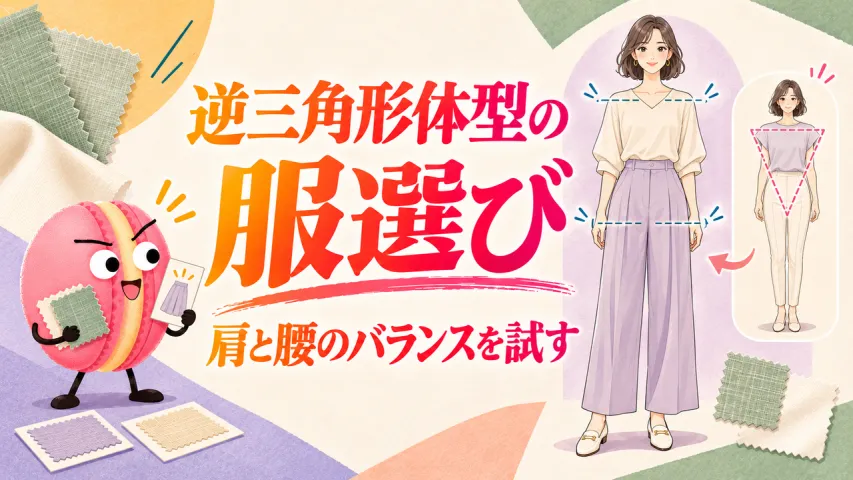
Choose clothes for an inverted triangle body type by checking upper-body movement first, then comparing the lower-half shape you enjoy. A defined shoulder, fitted sleeve, loose shirt, or narrow trouser leg can all remain options. The aim is an outfit you can wear comfortably and recognize as your own.
What Changes When Shoulders Need More Room?
You may need different proportions through the shoulder, upper back, or sleeve rather than a larger garment everywhere. A size change can help, but it also changes other dimensions.
“Inverted triangle” is a clothing-reference label often used for an upper body that appears broader than the hips. It cannot tell you where a particular shirt will pull. Shoulder slope, upper-arm room, chest fit, fabric, and construction also affect what you notice.

You do not need to confirm a classification before trying clothes. If that background interests you, the body type calculator guide covers it separately. This page focuses on the garment and your response to wearing it.
How Should Tops and Jackets Fit Across the Upper Body?
They should let you make the movements you need without uncomfortable pressure or constant readjustment. Check the garment over the layers you plan to wear, with its intended fastening closed.
A jacket worn over a fine T-shirt may feel different over a sweater. Bring the relevant layer when possible, rather than buying extra size everywhere for an imagined future use.
Test Shoulder Seams and Arm Movement
First identify the construction. A conventional set-in sleeve has an armhole seam around the shoulder; a dropped-shoulder design places that seam farther down the upper arm. A raglan sleeve uses diagonal seams toward the neckline. Their seam positions should not be judged by one universal shoulder-tip rule.

Sleeves and armholes work together. Seamwork’s sleeve-and-armhole guidance explains that the pair incorporates several connected dimensions, including upper-arm room and armhole depth. A different sleeve name alone does not guarantee more movement.
Try these comfortable movements without forcing your range:
Armhole depth matters as well as width. Seamwork’s armhole-depth explanation describes how both overly short and overly long depths can cause fitting problems. A deeper opening is therefore something to assess, not an automatic solution.
These checks help you compare garments. They cannot identify every cause of restriction from appearance alone.
Which Lower-Half Shapes Would You Like to Compare?
Compare the shapes you actually want to wear: slim, straight, wide, tapered, or a skirt with your preferred amount of movement. You do not have to add width below the waist to justify your shoulders.

For trousers, check the waist, seat, thigh, and stride independently of the leg opening. A wide leg can still be restrictive through the seat. A slim leg can feel comfortable when the cut and fabric work for you.
If you are comparing dresses for an inverted triangle body type, apply the upper-body checks to the bodice before assessing the skirt. Include any lining when checking comfortable reach.
Two Outfits to Test Without Hiding Your Shoulders
Try the following combinations with clothes you own. Keep your shoes and underlayers consistent, and note any fabric differences that affect the comparison.
Outfit one: a defined jacket with straight trousers. Choose a jacket whose shoulder shape you enjoy, including padding if you like it. Pair it with straight trousers that fit comfortably while seated. Fasten the jacket, complete the movement checks, then wear it open if that is also part of your intended use.
An open jacket can be a deliberate styling choice. If you need it closed for warmth or work, comfortable open wear does not answer the fastening question.
Outfit two: a softer top with a fuller bottom. Try a comfortable knit or softly draped shirt with wide-leg trousers or a fuller skirt. Check the top’s upper sleeves and underarms rather than assuming soft fabric means unrestricted movement. Then notice whether you enjoy the fuller lower shape in walking and sitting.
To compare the lower-half shapes more clearly, wear the same comfortable top with both bottoms afterward. That separates your preference for the trouser or skirt shape from differences between the two tops.
A short record can contain:
- Upper fit: shoulder construction, layer worn, and where movement feels restricted, if anywhere.
- Lower fit: waistband comfort, seat room, and ease of walking.
- Preference: which shoulder line and lower shape you like.
- Decision: keep, compare another cut, or ask about an alteration.

When Should You Change the Cut Instead of the Size?
Compare another cut when the size that solves one problem creates unwanted fit elsewhere. Try an adjacent size when you need more or less room overall, then repeat the movement checks.
Alteration may be an option, but ask someone qualified to inspect the actual garment before relying on it. Shoulder, sleeve, lining, and armhole changes can be connected. A larger size is not automatically an easy tailoring project.
For broader styling directions beyond these comparisons, see outfits for your body type.
FAQ
Can I wear shoulder pads with an inverted triangle shape?
Yes. Shoulder pads are a design choice, not something the label prohibits. Try the garment with its intended padding and assess the outline and movement together. Removing pads can change how the shoulder and sleeve hang, so ask about the construction before altering them.
Can a tailor reshape a jacket waist without changing shoulder fit?
Sometimes. Waist shaping may be adjusted through existing seams or darts while leaving the shoulder construction intact. Practical limits include seam allowance, lining, pockets, vents, and the amount of change. Ask what the alteration would affect and request a quote before buying for that purpose.
Can a sleeveless dress be altered at the shoulder without changing the armhole?
Not necessarily. Shortening the shoulder section can raise the armhole, neckline, and bodice position together. Ask the tailor to show the proposed change while you wear the dress. Recheck side coverage and comfort before agreeing; a change that fixes length may create pressure elsewhere.
Are sleeveless tops an option when armholes often gape?
Yes. Compare armhole shape, shoulder placement, and chest shaping rather than ruling out sleeveless clothing. Gaping in one top does not prove you need a smaller size in every style. Try alternatives with your intended underlayer and check side coverage while reaching forward.
Is a high neckline off limits for an inverted triangle body?
No. Choose it if you like the appearance and feel. Check the opening, closure, and fabric against your neck while moving your arms. If the neckline feels uncomfortable, compare another version of that design rather than treating the whole category as unsuitable.
Conclusion
You may prefer the jacket that makes your shoulders more noticeable, or the soft top you barely think about while wearing it. Either choice can belong in your wardrobe.
Keep the version that lets you reach, sit, and move as needed, with the lower-half shape you enjoy. When a garment needs changing, describe the specific pressure or movement instead of asking your body to fit the label.
Recommended Reads





Apply to become Macaron's first friends
Read & discover
Explore Playbooks
AI Personal Assistant
Free calculators


