Travel Budget Calculator
A travel budget calculator should show where the total comes from. Enter fixed bookings, a daily flexible amount, trip days, buffer percentage, and the number of travelers. Put Single trip total beside Daily cash target. Add the dates and travel style under Fixed-plus-daily model. Macaron can retain those preferences, while Daily cash target still needs a dated check. You can create a travel budget project with the assumptions visible.
Where Travel Budgets Blow Up: The Costs You Don't See Coming

Where Travel Budgets Blow Up: The Costs You Don't See Coming
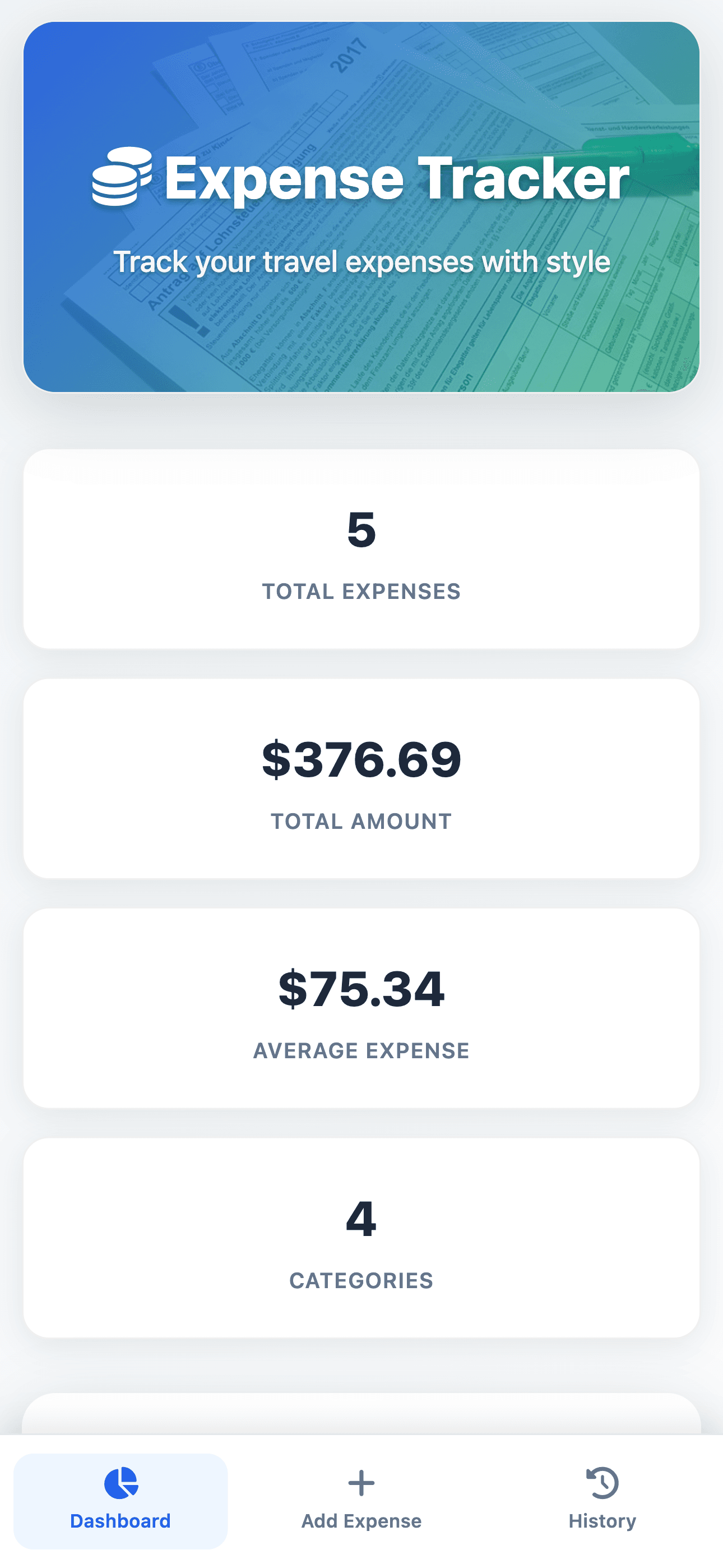
Budgets often miss local transport, taxes, baggage, connectivity, resort fees, insurance, or the cost of the first and last travel day. Separate fixed commitments from flexible daily spending so one expensive category does not hide inside a single total. The Trip Expense Manager interface is a useful reference for Single trip total. The embedded component on this page handles Fixed-plus-daily model.
Macaron Estimates Your Trip Cost From Flights to Daily Spending
The embedded calculator uses a transparent equation. Macaron can create a continuing trip ledger, and Trip Expense Manager shows one way to organize shared costs. Start with a message like this: Key points:
- "Calculate fixed plus daily costs and add a ten percent buffer."
- "Split the current trip plan across four travelers."
Current checks behind Fixed-plus-daily model: Use Single trip total as a planning choice. Check Daily cash target against weather and transport. Verify prices or rules before saving Fixed-plus-daily model. Review Single trip total again when plans change. Macaron can retain the preference, but Daily cash target does not refresh in the background.
Image description: Trip Expense Manager budget screen
Interface reference from Trip Expense Manager
Building in a Buffer Without Padding the Whole Trip
A buffer is visible uncertainty, not permission to pad every line. Apply it after the base calculation and keep truly optional experiences separate. Key comparisons:
- Trip input: Single trip total; Official or current check: Fast ceiling check; Planning decision: Poor category visibility
- Trip input: Daily cash target; Official or current check: Useful on the road; Planning decision: Misses fixed bookings
- Trip input: Fixed-plus-daily model; Official or current check: Formula is traceable; Planning decision: Prices still need research
How to use the table: Treat Single trip total as the trip input, verify the changing fact under Daily cash target, and save Fixed-plus-daily model only after that check.
Tracking Spending on the Road So You Don't Overshoot
On the road, compare actual spending with the relevant category, not with the entire remaining balance. For group trips, record who paid and whether an item is shared before calculating reimbursements. Example: Flights and lodging are fixed, while meals and local transport vary by day. A ten percent buffer remains a separate line instead of being hidden inside every estimate. The person checks Fixed-plus-daily model, updates Daily cash target, and keeps the revision beside Single trip total.
Related next steps
collect group constraints, make the border checklist, review purchase priorities.
Frequently Asked Questions
The calculator uses whatever currency you enter, so keep every amount in the same currency throughout the budget. Enter fixed bookings, daily flexible spending, buffer, and traveler count using one currency before comparing the Single trip total with the Daily cash target.
No, it does not fetch live flight prices or pull fares from booking sites. Research flights, lodging, transport, and activities yourself, then enter those amounts manually so the budget reflects the prices you chose for this trip.
The buffer is calculated by multiplying the base cost by your chosen buffer percentage and adding that amount to the base. Use it to cover uncertain expenses such as local transport, fees, price changes, or higher-than-expected daily spending.
Yes, it can show an equal per-person planning share based on the total cost and number of travelers. Use that split as a budgeting estimate for the group, then confirm any unequal rooms, solo activities, upgrades, or shared payments separately.
Read & discover
Explore Playbooks
AI Personal Assistant
Free calculators


