Group Trip Planner
A group trip planner needs a decision process before it needs a beautiful itinerary. Collect date overlap, spending ceilings, accessibility needs, non-negotiables, and a decision deadline. Put Open group chat beside One-person itinerary. Add the dates and travel style under Shared decision board. Macaron can retain those preferences, while One-person itinerary still needs a dated check. You can create a group trip project with one source of truth.
Why Group Trips Fall Apart in the Planning Group Chat

Why Group Trips Fall Apart in the Planning Group Chat
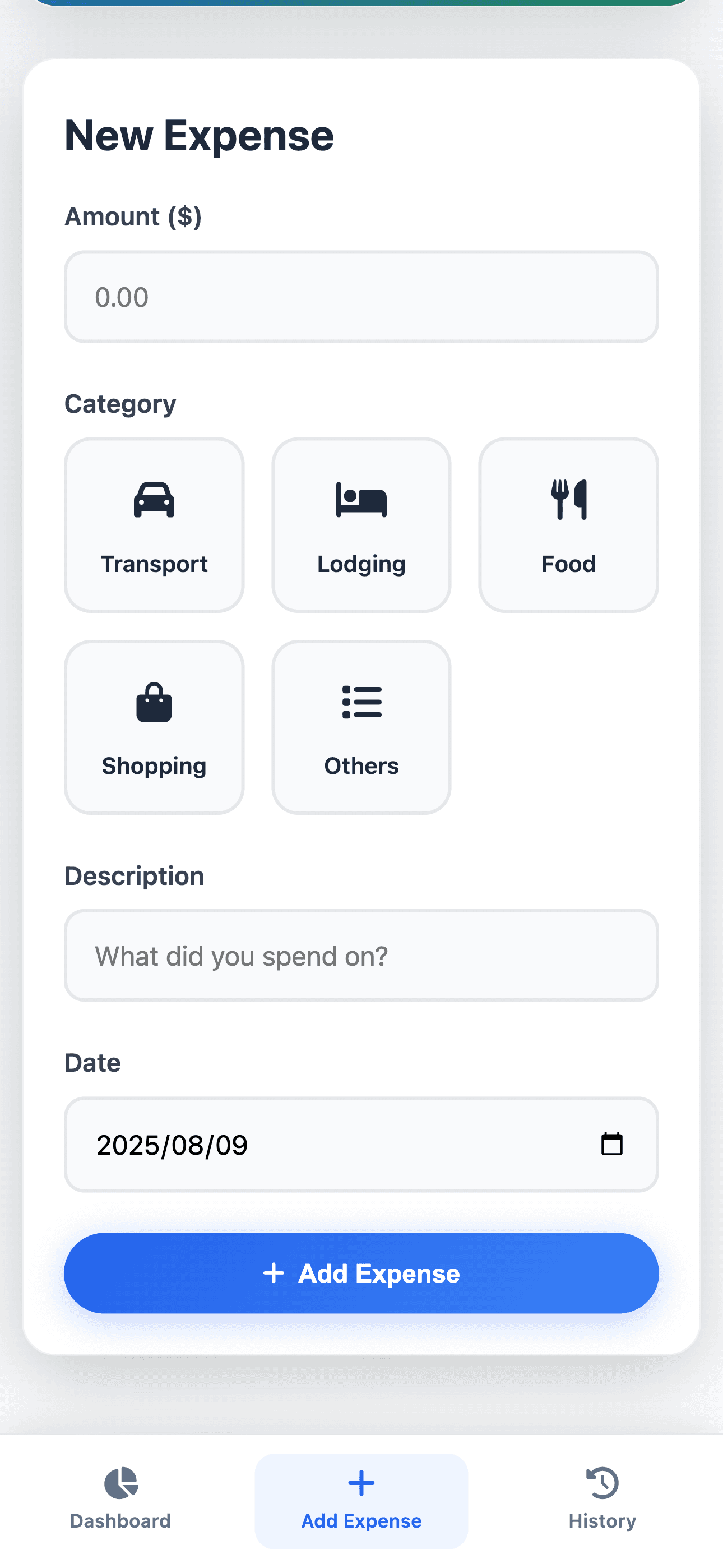
Planning threads fail when preferences arrive in different formats and nobody owns the next decision. Ask every traveler for the same small set of constraints, remove infeasible options, and compare only the final two. The Trip Expense Manager interface is a useful reference for Open group chat. The embedded component on this page handles Shared decision board.
Macaron Keeps Everyone's Dates, Budgets, and Wishes in One Place
Macaron can create a shared project around the group's inputs. The embedded decision board works locally and does not message travelers, read calendars, or collect payments. Give the first version these details: Key points:
- "Turn these traveler messages into common date and budget fields."
- "Create a two-option vote with a deadline and decision owner."
Current checks behind Shared decision board: Use Open group chat as a planning choice. Check One-person itinerary against weather and transport. Verify prices or rules before saving Shared decision board. Review Open group chat again when plans change. Macaron can retain the preference, but One-person itinerary does not refresh in the background.
Image description: Trip Expense Manager shared-cost interface
Interface reference from Trip Expense Manager
Splitting Costs and Decisions Without the Awkwardness
Cost splitting becomes awkward when ownership and refundability are unclear. Record who paid, who participated, the split method, the due date, and the cancellation terms at the moment of purchase. Key comparisons:
- Trip input: Open group chat; Official or current check: Low setup; Planning decision: Decisions get buried
- Trip input: One-person itinerary; Official or current check: Moves quickly; Planning decision: Constraints may arrive late
- Trip input: Shared decision board; Official or current check: Inputs are comparable; Planning decision: Needs a clear owner
How to use the table: Treat Open group chat as the trip input, verify the changing fact under One-person itinerary, and save Shared decision board only after that check.
One Itinerary the Whole Group Actually Agrees On
Agreement is easier when the itinerary distinguishes fixed commitments from optional blocks. Publish one confirmed version, keep alternatives in a parking lot, and state who can approve changes after booking. Example: Five friends submit two date windows and one must-have each. Options above the lowest ceiling are removed before anyone votes on destinations. Before using the result, they review Open group chat and note what changed under Shared decision board.
Related next steps
split the trip ceiling, plan match watch logistics, build cross-border checks.
Frequently Asked Questions
No, the planner does not message the group or post into a chat for you. Use the shared decision board to organize dates, budgets, travel style, accessibility needs, and non-negotiables, then copy or download it and share it through the channel your group already uses.
No, it cannot collect payments, hold funds, or manage reimbursements. Use it to compare cost options, agree on spending ceilings, and record who is responsible for booking or paying each item, then handle actual payment through your chosen payment method outside Macaron.
Ties should be handled with a named decision owner and a clear tie-break rule before the group votes. Decide whether the owner chooses, the lowest-cost option wins, or the plan with the best date overlap takes priority, then record that rule on the shared decision board.
The final itinerary should include confirmed bookings, assigned owners, times, locations, refund terms, and optional blocks. Keep uncertain ideas separate from booked commitments so everyone can tell what is fixed, what still needs a dated check, and who is responsible for each remaining action.
Read & discover
Explore Playbooks
AI Personal Assistant
Free calculators


