Protein Calculator
A protein calculator should provide context, not repeat one rule for everyone. In Macaron, you can start with your own protein planning range inputs. protein planning range: method, limits, and privacy Sources for protein planning range were checked on August 5, 2026. Basis for protein planning range: Daily grams equal body weight in kilograms multiplied by the selected grams-per-kilogram range. This educational output does not serve as a universal recommendation. Read Macaron privacy guidance for protein planning range before keeping any body and diet details in the workspace.
How Much Protein Do You Need Beyond the 1g Per Pound Rule
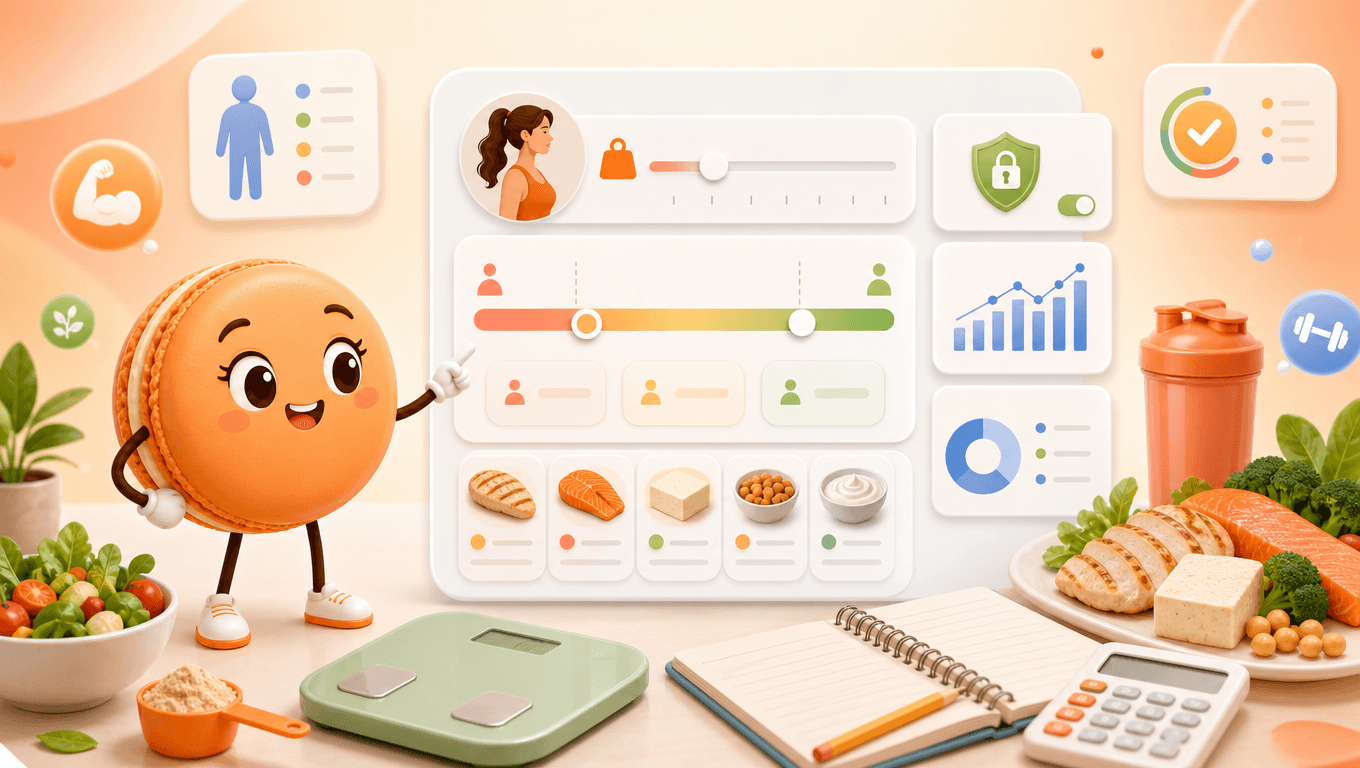
How Much Protein Do You Need Beyond the 1g Per Pound Rule
NIH ODS cites 1.2 to 2.0 grams per kilogram per day for athletes, depending on training context. This is not a universal target. NIH ODS Exercise and Athletic Performance supports the exercise-nutrition context and ranges shown here. Individual medical needs require qualified guidance.
Build a Protein Range From Bodyweight, Goal, and Activity Context
Enter weight in a clear unit, activity or training context, and the purpose of the estimate. Example requests: Key points:
- "Estimate a protein range for my body weight and four weekly strength sessions."
The output should show weight, unit conversion, selected range, total grams, context, and a reminder that it is an estimate rather than a medical requirement. Athlete-range calculation: daily protein range = body weight in kilograms x selected g/kg range NIH ODS cites 1.2 to 2.0 g/kg/day for athletes. Use the selected range only for the stated athletic context. Related live Macaron tools: live Macaron protein tool, Lean Body Mass Calculator
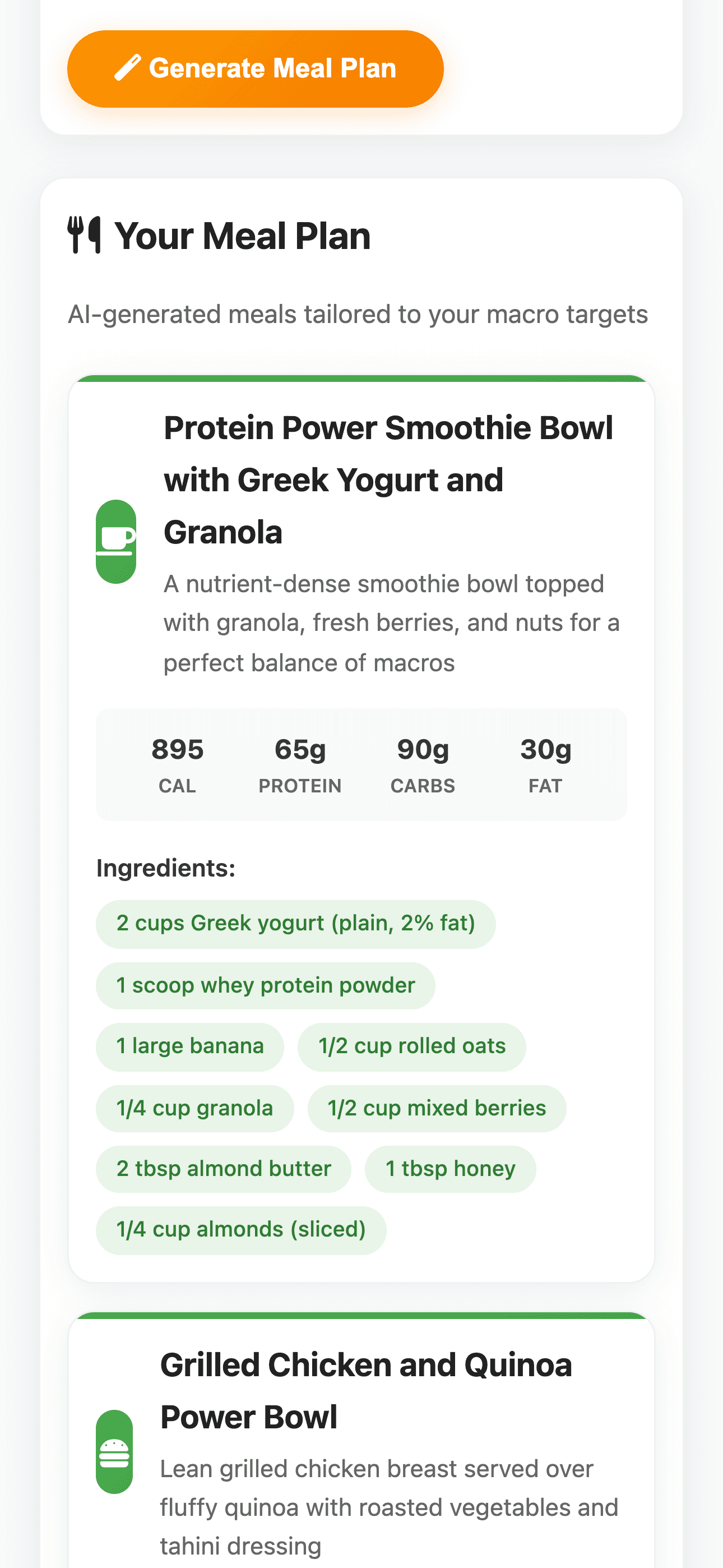
Image description: Macro Meal Planner meal allocation from the Macaron Playbook
Interface reference from Macro Meal Planner
Turn the Protein Range Into Meals and Snacks
Meals make the number practical. Ways to use the range: Key points:
- Transparent g/kg calculation
- Range translated into meals and snacks
- Flags for clinical situations that need professional advice
Protein for Weight Loss vs Muscle Gain: Setting the Right Context
Weight loss and muscle gain can both involve protein, but the total plan differs. Key comparisons:
- Goal context: 1 g/lb rule; Useful input: Memorable; Planning caution: May be more than needed
- Goal context: General adult target; Useful input: Broad baseline; Planning caution: May not reflect training
- Goal context: Contextual range; Useful input: More useful; Planning caution: Still needs health context
Meal-distribution example: A recreational lifter calculates a range, maps it to familiar meals, and uses the lower end as a starting point rather than forcing a single maximum target.
Related next steps
connect protein with the macro plan, spread servings across meals, and review uncertain food estimates.
Frequently Asked Questions
A protein calculator estimates daily grams by multiplying body weight in kilograms by the grams-per-kilogram range you choose. In Macaron, enter the weight, selected range, and context for that range so the result stays tied to the method rather than appearing as a universal rule.
No, 1 gram per pound is not necessary for everyone because protein needs vary by body size, activity, goals, and health context. Use the protein planning range that matches the situation you are evaluating, then rerun the calculation when your weight, training, diet pattern, or planning purpose changes.
Many people can meet a protein target with ordinary foods, depending on preferences, budget, access, appetite, and dietary restrictions. After calculating the range, compare it with realistic meals or food logs to see whether the target can be reached without adding a supplement. Macaron does not decide whether a supplement is medically appropriate.
Anyone with kidney disease, pregnancy, an eating disorder, a prescribed diet, or another medical nutrition concern should not rely on a general calculator alone. Use the calculator only as an educational planning aid, and confirm personal targets with a qualified professional before acting on sensitive health or diet details.
Read & discover
Explore Playbooks
AI Personal Assistant
Free calculators


