Behavioral Interview
A behavioral interview is testing how you acted in a real situation, not whether you can recite the STAR acronym. The builder keeps situation, task, action, and result separate so the action receives most of the answer and the lesson stays visible. Give Macaron Full memorized script beside Improvised answer. Add the role or stage under Story outline; Deep Memory can keep that verified story context with Story outline for the next practice round. You can create a behavioral story bank from experiences you can verify.
What Behavioral Questions Are Really Testing

What Behavioral Questions Are Really Testing
Past examples help interviewers explore judgment, collaboration, ownership, and learning. One story may support several prompts, but the emphasis should change rather than forcing the same speech into every question. CareerOneStop interview guidance helps frame Full memorized script for interview practice. Your own evidence still belongs under Story outline.
Macaron Builds STAR-Method Answers From Your Own Stories
Enter an actual prompt and the facts of your experience. The page turns them into an editable STAR outline. A useful opening request is: Key points:
- "Turn this true conflict example into a concise STAR outline."
- "Identify the decision and lesson in each story without inventing results."
Turn Full memorized script into a practice prompt: Name the role under Full memorized script and place one truthful experience beside Improvised answer. Let Deep Memory retain only the context needed for Story outline. The component does not know a private hiring rubric. Review Full memorized script before rehearsing, connect Improvised answer to a real decision, and never treat Story outline as an outcome prediction.
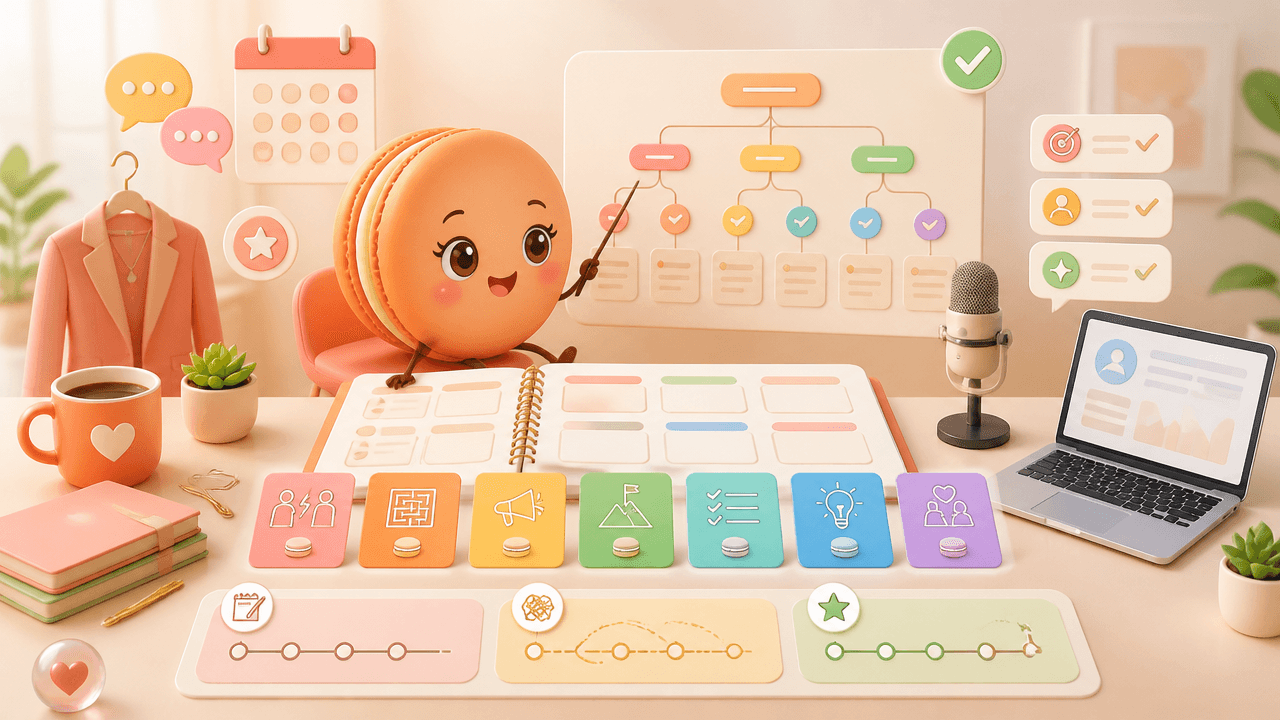
The Most Common Behavioral Prompts — and How to Prep Once for Many
Prepare themes rather than dozens of scripts: conflict, ambiguity, influence, failure, prioritization, learning, and customer impact. For each story, record the decision point and what you personally did. Key comparisons:
- Evidence or practice: Full memorized script; Role relevance: Consistent wording; Next check: Sounds rigid under follow-ups
- Evidence or practice: Improvised answer; Role relevance: Natural voice; Next check: Evidence may disappear
- Evidence or practice: Story outline; Role relevance: Structure with flexibility; Next check: Needs rehearsal aloud
How to use the table: Ground Full memorized script in a real experience, connect Improvised answer to the role, and use Story outline as the next practice check.
Turning a Past Failure Into a Strong Behavioral Answer
A failure answer becomes strong when responsibility and changed behavior are specific. Do not disguise a minor inconvenience as failure. Example: A launch missed a dependency. The candidate explains the decision they owned, how they repaired the handoff, the measured result, and the process change used afterward. A later update starts from Improvised answer rather than rebuilding Story outline from memory.
Related next steps
generate manager-level prompts, frame a real weakness, record a camera practice.
Frequently Asked Questions
STAR stands for Situation, Task, Action, and Result, the four parts of a structured behavioral interview story. In Macaron, keep those parts separate so the setup stays brief, your specific actions get the most space, and the result or lesson is easy to hear.
Yes, one story can answer multiple prompts if the core behavior truly matches each question. Adjust the emphasis in your improvised answer for the prompt you are practicing, such as leadership, conflict, ownership, or learning, without changing facts you cannot verify.
A negative result can still make a strong answer when you explain what happened, what you owned, and what changed afterward. Use the Story outline to separate the outcome from the lesson, then practice describing the follow-up action clearly instead of trying to make the result sound positive.
No, you should not memorize every word because behavioral answers need to sound natural and responsive. Memorize the verified facts, sequence, key actions, and result, then use Macaron to compare a full script with an improvised version during practice.
Read & discover
Explore Playbooks
AI Personal Assistant
Free calculators


